






The Myth of a 'Normal' BMI
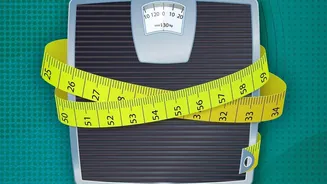
For decades, Body Mass Index (BMI) has been the go-to metric for assessing health based on height and weight. However, this one-size-fits-all approach is proving to be a poor fit for the Indian population. Studies show that Indians tend to have a higher
body fat percentage and lower muscle mass compared to people of European descent with the same BMI. This phenomenon, often called “Metabolically Obese Normal Weight” (MONW) or the “thin-outside-fat-inside” (TOFI) phenotype, means a person can have a 'normal' BMI but still carry excessive visceral fat. This is the dangerous fat that wraps around internal organs, significantly increasing the risk for metabolic disorders like diabetes, hypertension, and high cholesterol, even in people who appear slim.
Genetics and A Unique Risk Profile
Genetics play a crucial role in why South Asians, including Indians, have a distinct cholesterol pattern. Research points to a genetic predisposition that results in a specific type of dyslipidemia: high triglycerides, low levels of high-density lipoprotein (HDL or 'good' cholesterol), and smaller, denser low-density lipoprotein (LDL or 'bad' cholesterol) particles. This unhealthy lipid profile is a significant risk factor for cardiovascular disease. In fact, for any given cholesterol level, the risk of heart disease in South Asians is about double that of other ethnic groups. This genetic tendency is compounded by modern lifestyles, but it underscores why looking beyond the weighing scale is critical for this population.
How the Modern Indian Diet Plays a Role
Diet is another major piece of the puzzle. Even home-cooked Indian meals, often perceived as healthy, can contribute to poor cholesterol profiles. The issue often lies not with fats like ghee, but with an overconsumption of refined carbohydrates. Diets heavy in white rice, maida-based items like naan and biscuits, and sugary beverages can cause blood sugar spikes. This prompts the liver to produce more VLDL (another type of 'bad' cholesterol) and triglycerides, directly worsening lipid levels regardless of body weight. The shift from traditional, fiber-rich diets to more processed and refined foods has amplified this problem across the country.
Rethinking Health Beyond the Scale
Given that BMI is an unreliable indicator, a more comprehensive approach is needed to assess health risks in Indians. Experts suggest focusing on more telling metrics. Waist circumference is a better indicator of abdominal obesity, which is a key risk factor. Many health professionals recommend that for Indians, the BMI cutoff for being 'overweight' should be lower, around 23 instead of the standard 25. Most importantly, regular blood tests to check your complete lipid profile (HDL, LDL, triglycerides) are essential. A recent ICMR study found that millions of Indians who are not obese and have normal blood pressure and blood sugar still have abnormal lipid levels, making screening crucial for early detection.
Proactive Steps for a Healthier Heart
Understanding this unique risk profile is the first step toward prevention. The focus should be on holistic lifestyle changes rather than just weight loss. Incorporating more soluble fiber from sources like dal, oats, and vegetables can help lower LDL cholesterol. Swapping refined carbohydrates for whole grains like millets and brown rice is also beneficial. Equally important is regular physical activity, which improves metabolic health even if it doesn't lead to significant weight change. Finally, regular health check-ups that include a lipid panel are non-negotiable, especially for those over 35 or with a family history of heart disease. These proactive measures can help manage the hidden risks and pave the way for better long-term cardiovascular health.