

The Star Ingredient: What Is a Drumstick?
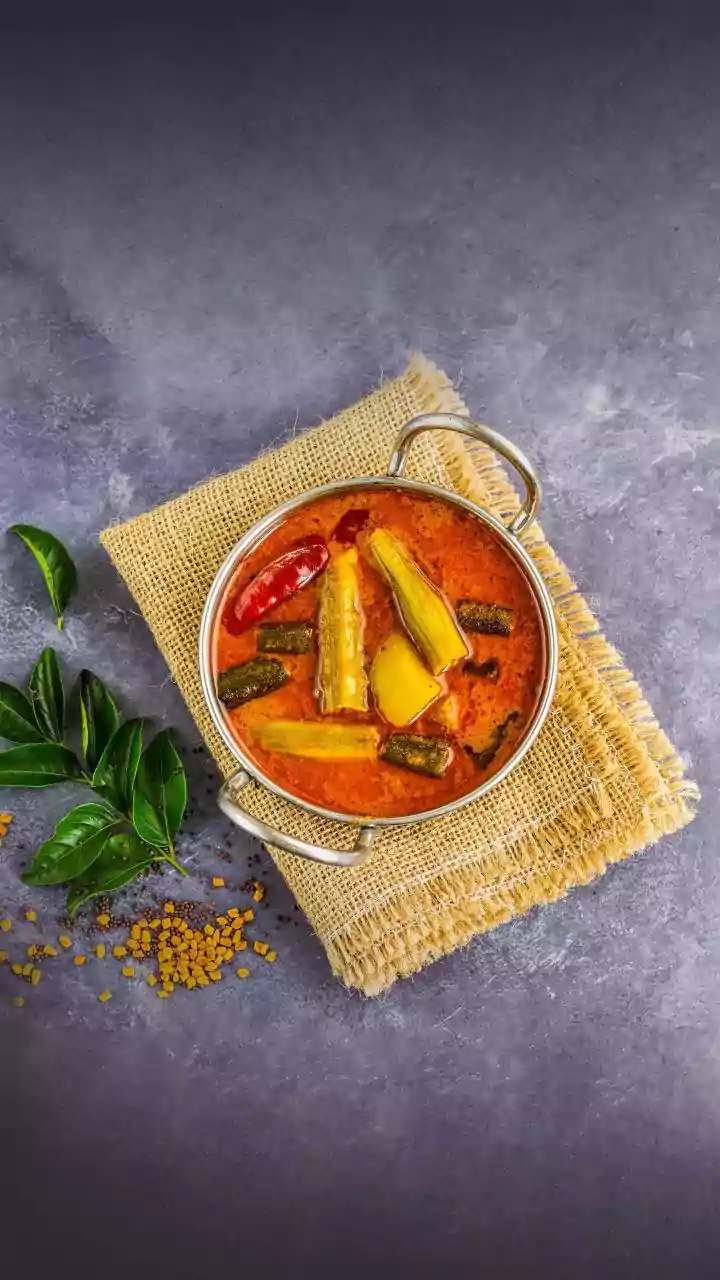
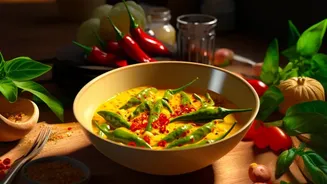
In Indian cuisine, the 'drumstick' is not a piece of poultry but the long, slender pod of the Moringa oleifera tree. Often called 'shevga' in Marathi, 'munakkaya' in Telugu, or 'sahjan' in Hindi, this vegetable is a staple in many households. When cooked,
the tough outer skin softens, revealing a tender, slightly sweet pulp and soft seeds inside. Its unique texture and ability to absorb the flavours of spices make it a prized ingredient in curries, sambars, and, of course, dal-based soups. The experience of eating it is distinctive; you typically chew the pieces to extract the soft pulp and discard the fibrous outer part.
A Nutritional Powerhouse
The Moringa tree is often called the 'Tree of Life', and for good reason. Both its leaves and pods are packed with essential nutrients. Drumsticks are an incredible source of Vitamin C, which is vital for boosting immunity. They are also rich in minerals like calcium and phosphorus for bone health, potassium for heart health, and iron. The pods contain beneficial antioxidants and anti-inflammatory compounds like quercetin and chlorogenic acid, which may help regulate blood sugar levels and lower cholesterol. With a high fibre content and low calorie count, it's a vegetable that delivers both flavour and significant health benefits.
The Essential Ingredients
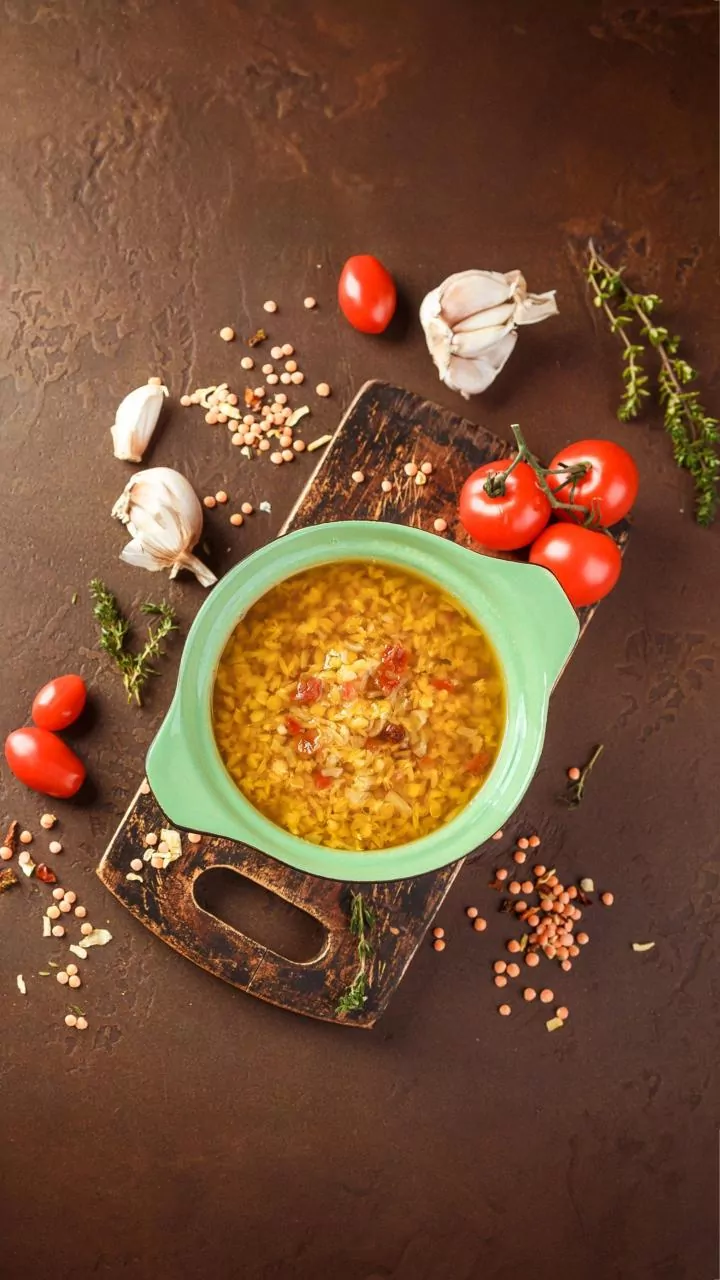
This recipe is versatile, but a classic drumstick dal soup relies on a few core components. You will need: Lentils: Toor dal (split pigeon peas) is the most common choice, creating a creamy base. Moong dal can also be used for a lighter version. Drumsticks: Two or three fresh, tender drumsticks, cut into 2-3 inch pieces. Aromatics: Onion, tomatoes, garlic, and ginger form the flavour foundation. Spices: Turmeric powder, red chilli powder, and salt are essential. For Tempering (Tadka): Ghee or oil, mustard seeds, cumin seeds, a pinch of asafoetida (hing), and curry leaves. Optional: A small amount of tamarind pulp or jaggery can be added to create a subtle sweet and sour taste, which is common in Maharashtrian versions like 'Amti'.
Step-by-Step: Crafting the Soup
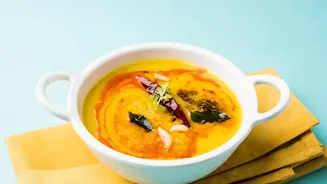
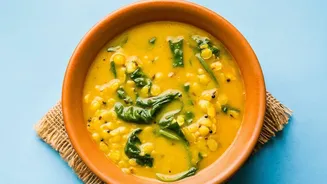
Making drumstick dal soup is a straightforward process, typically involving three main stages: 1. Cooking the Dal and Drumsticks: The easiest method is to use a pressure cooker. Combine the washed toor dal, chopped drumstick pieces, onion, tomatoes, and spices with enough water. Pressure cook for about 3-4 whistles, or until the dal is completely soft and the drumsticks are tender. If you don't have a pressure cooker, you can boil the ingredients in a pot until the dal is mushy and the drumsticks are cooked through. 2. Blending and Straining (Optional): Once cooked, you can gently mash the dal to create a thicker consistency. For a smoother, more restaurant-style soup, some recipes suggest removing the drumstick pieces, blending the dal mixture, and then straining it. The tender pulp from the cooked drumsticks can be scraped out and added back to the soup for flavour without the fibrous skin. 3. The Final Tadka: This is the most crucial step for flavour. Heat a small amount of ghee or oil in a separate small pan. Add mustard seeds and let them splutter. Then add cumin seeds, asafoetida, and fresh curry leaves. Pour this sizzling tempering over the prepared dal. This process, known as 'tadka' or 'tempering', blooms the spices, releasing their aromatic oils and infusing the entire dish with a rich, complex flavour that cannot be achieved by simply boiling the spices.
Serving Suggestions and Variations
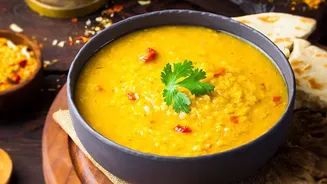
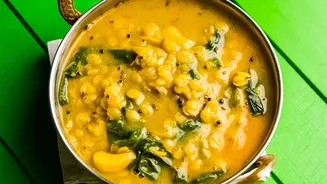
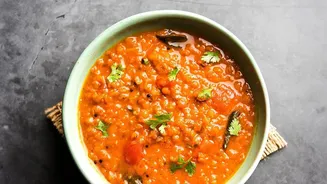
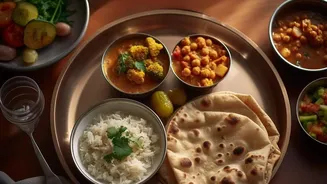
Drumstick dal soup is incredibly versatile. It can be enjoyed on its own as a light, nourishing soup, often garnished with fresh coriander leaves. It also serves as a perfect accompaniment to hot steamed rice, roti, or chapati. Across India, you'll find numerous variations. In Andhra Pradesh, 'Munakkaya Pappu Charu' is a popular version that often includes tamarind for a tangy kick. The Maharashtrian 'Shevgyachya Shengachi Amti' frequently uses a special spice blend called 'goda masala' and a touch of jaggery for a unique sweet and spicy flavour profile. Some recipes also incorporate other vegetables like carrots or potatoes, making it even more wholesome.