








The Dream of Flying for Everyone
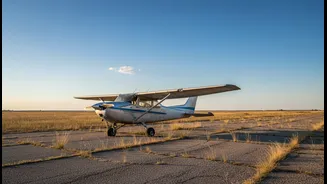
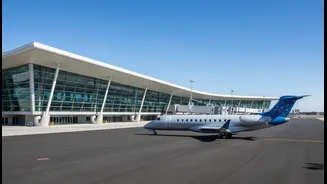
Launched in 2016, the Ude Desh ka Aam Nagrik (UDAN) scheme was a game-changer for Indian aviation. The goal was simple yet ambitious: make air travel accessible and affordable for the masses by connecting unserved and underserved airports in Tier-2 and Tier-3
cities. The model involved airlines bidding for routes that were not commercially attractive. In return for operating these flights, they received Viability Gap Funding (VGF)—a government subsidy to cover losses—and a fixed number of seats on each flight were sold at capped, low fares, initially around ₹2,500 for a one-hour flight. The initiative successfully expanded India's aviation map, operationalising hundreds of new routes and connecting dozens of new airports, from Darbhanga in Bihar to Jharsuguda in Odisha.
Why Are So Many Routes Grounded?
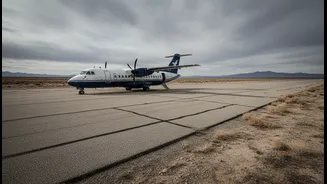
Despite its initial success, the UDAN scheme is facing a harsh reality. As of early July 2026, reports indicate that nearly half of the routes launched under the scheme are no longer operational. Out of 669 routes made operational since 2017, only 336 were still active. There are several reasons for this widespread discontinuation. A primary issue is the scheme's financial model. The VGF subsidy for airlines was initially provided for only three years, with the assumption that routes would become self-sustaining by then. However, in many cases, passenger demand remained too low to cover operating costs once the support ended. Airlines, particularly smaller regional carriers, found it impossible to continue services on commercially unviable routes without the subsidy. Compounding the problem are high operational costs, especially the price of Aviation Turbine Fuel (ATF), which is heavily taxed in India and can account for around 50% of an airline's expenses. Other factors include aircraft shortages, supply chain disruptions, and competition from improving rail networks like the Vande Bharat Express.
The Ripple Effect on Your Ticket Price
When a subsidised UDAN route is discontinued, the most immediate impact is on the passenger. The affordable travel option simply vanishes. For residents of smaller towns, this often means returning to slower or more expensive modes of transport. When an airline pulls out, it eliminates competition, leaving passengers at the mercy of remaining carriers who may not offer affordable fares. The failure of these routes creates a vacuum. With fewer flights connecting regional centres, passengers are forced back onto trunk routes between major metros, where demand is already high. This scarcity of direct, affordable options means that the overall goal of making flying a daily convenience for the common citizen is undermined. Instead of a stable network, passengers face unpredictability and the potential for volatile pricing on the few available options.
A Vicious Cycle for Regional Airlines
The UDAN scheme was heavily reliant on small, regional airlines to service its routes. However, these operators have been caught in a vicious cycle. Many have struggled to survive due to thin profit margins, high costs, and the difficulty of filling seats on low-demand routes. Several regional players like TruJet and Zoom Air have ceased operations entirely, while others face significant operational constraints. Delays in making awarded airports fully ready for operations have also been a major hurdle, with airlines unable to launch services despite having won the bids. This instability among regional carriers is a critical weakness for the UDAN network. Without a healthy ecosystem of smaller airlines dedicated to connecting remote areas, the scheme cannot function as intended.
Can 'Viksit UDAN' Fix the Problem?
Recognising these challenges, the government recently launched a revamped version of the scheme called 'Viksit UDAN'. This new phase, approved in March 2026 with a massive outlay of nearly ₹29,000 crore, aims to address the shortcomings of the original programme. One of the key changes is extending the VGF subsidy period for airlines from three to five years, giving them a longer window to develop market demand. The plan also includes significant investment in developing 100 new airports and 200 modern helipads to improve last-mile connectivity. The focus is on making the routes more sustainable for airlines in the long run. However, questions remain about whether extended subsidies alone can solve problems rooted in fundamental economics and low passenger demand on certain routes.