




The Power of Plant-Based Protein
Protein is a crucial building block for your body, essential for muscle repair, immune function, and overall energy. While often associated with animal products, plant-based proteins offer unique advantages, including higher fiber content and lower saturated
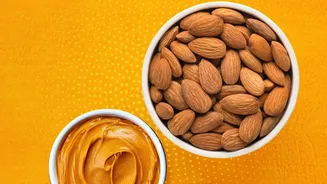
fat. Diets rich in plant protein are linked to numerous health benefits, such as a lower risk of heart disease. Almond butter is a fantastic source, providing roughly 7 grams of protein in a two-tablespoon serving. This makes it an excellent choice for a post-workout snack or a satisfying addition to your breakfast, helping you feel fuller for longer and supporting your body’s daily needs.
A Rich Source of Antioxidant Vitamin E
One of almond butter’s standout features is its high concentration of vitamin E. In fact, it's one of the best food sources available, with a single tablespoon offering a significant portion of your daily requirement. Vitamin E is a powerful antioxidant, which means it helps protect your body's cells from damage caused by free radicals. This protection is vital for maintaining healthy skin, as vitamin E helps guard against UV damage and environmental stressors, while also supporting moisture retention. Beyond skincare, its antioxidant properties contribute to a robust immune system and overall cellular health.
Beyond Protein and Vitamin E
While protein and vitamin E get the spotlight, almond butter’s nutritional profile is impressively deep. It is loaded with heart-healthy monounsaturated fats, which are known to help lower 'bad' LDL cholesterol and raise 'good' HDL cholesterol. It's also an excellent source of essential minerals. A serving of almond butter delivers a healthy dose of magnesium, which is vital for bone health and over 300 biochemical reactions in the body, including muscle function and blood sugar control. Additionally, it provides a good amount of fiber, promoting digestive health and aiding in satiety, as well as calcium for strong bones and iron for energy.
How to Choose the Best Jar
Not all almond butters are created equal. When browsing the grocery store aisle, it's important to read the label carefully. The healthiest options will have a minimal ingredient list—ideally, just 'almonds' and perhaps a touch of salt. Many commercial brands add sugars, hydrogenated oils, and palm oil to prevent natural oil separation and enhance flavor. These additives can counteract the health benefits. Opt for natural varieties where the oil separates at the top; this is a good sign that it's free from unnecessary stabilizers. A quick stir is all it takes to recombine it. Also, consider organic options to avoid pesticides.
More Than Just Toast
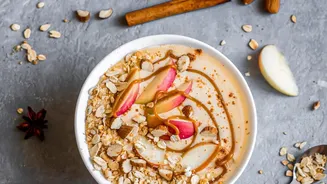
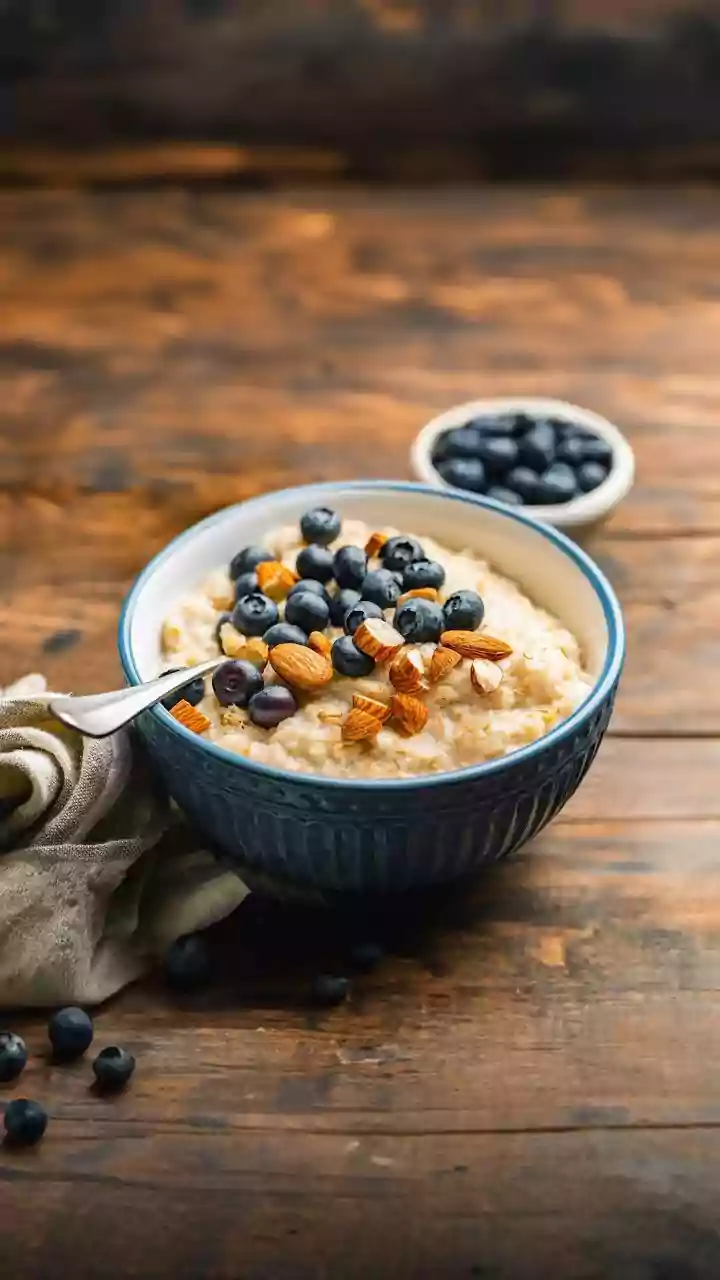
While delicious on a slice of whole-grain toast, there are countless other ways to enjoy almond butter. Blend a spoonful into your morning smoothie for a creamy texture and a protein boost. Use it as a base for a savory peanut-style sauce for noodles or a dip for fresh vegetables. Drizzle it over a bowl of oatmeal or yogurt, or add it to your favorite brownie or cookie recipe as a healthy fat substitute. You can even swirl it into soups or chilis to add thickness and a subtle nutty flavor.
A Note on Portion Control
Almond butter is nutrient-dense, but it's also calorie-dense. A standard serving size is typically one to two tablespoons, which provides around 190-200 calories. While these calories come from healthy fats and protein, it's wise to be mindful of portion sizes, especially if you are managing your weight. Enjoying it in moderation allows you to reap all the nutritional benefits without overdoing your calorie intake for the day. Think of it as a powerful, concentrated source of goodness to be enjoyed thoughtfully.