




An unforgettable encounter with Assam's incredible wildlife starts long before you spot your first rhino. The key lies in smart planning, especially when it comes to choosing where to stay. Here’s how to plan the perfect wildlife-centric stay.
Kaziranga or Manas? Choose Your Adventure
First, decide
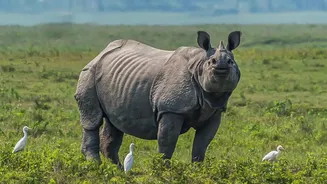
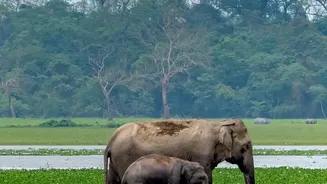
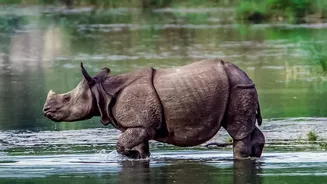
which park aligns with your travel style. Kaziranga National Park is the world-famous home of the one-horned rhinoceros. Its vast grasslands and wetlands make wildlife sightings frequent and relatively easy, making it an excellent choice for first-time visitors and families. In contrast, Manas National Park, set against the stunning backdrop of the Bhutan foothills, offers a wilder, more serene experience. It's known for its dense forests, diverse birdlife, and rare species like the golden langur. While Kaziranga has more developed tourist infrastructure, Manas appeals to those seeking a quieter, off-the-beaten-path adventure with fewer crowds.
Location Matters: Picking a Zone in Kaziranga
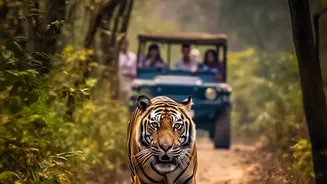
If you choose Kaziranga, your next decision is where to base yourself. The park is divided into several safari zones, and your choice of accommodation will determine your access to them. The most popular zones are the Central Range (Kohora) and the Western Range (Bagori). Kohora is the main hub with a high density of hotels and resorts, offering easy access to both jeep and elephant safaris. Staying here is convenient and ideal for covering multiple zones. The Bagori zone is renowned for its high concentration of rhinos, offering fantastic opportunities for close-up encounters. The Eastern Range (Agaratoli) is a paradise for birdwatchers with its extensive wetlands, while the Burapahar Range offers excellent trekking routes. Booking a hotel near your preferred safari gate saves precious travel time, especially for early morning excursions.
A Stay for Every Budget
Assam's wildlife circuit caters to all travellers. Near Kaziranga, you'll find a wide spectrum of options. Luxury resorts like IORA - The Green Resort and Borgos Resort offer premium amenities such as swimming pools and spas. For a more rustic and authentic experience, eco-lodges and heritage properties like the Wild Grass Lodge provide charming stays with a focus on nature. Mid-range options like Bonhabi Resort offer comfortable cottages close to safari gates. Numerous budget-friendly guesthouses, government-run lodges, and homestays are also available, particularly around Kohora, providing basic amenities and a chance to experience local hospitality.
When to Visit and How to Book
The best time to visit Assam's national parks is between November and April. During these months, the weather is pleasant and dry, and the parks are fully open for safaris. The peak season runs from December to February, which means you should book your accommodation and safaris well in advance to avoid disappointment. The parks are closed during the monsoon season, typically from May or June until the end of October, due to flooding. You can book your stay directly through hotel websites or popular travel portals. Many hotels also assist with booking jeep and elephant safaris, which can be a convenient option. Alternatively, you can book safaris online through the official government portal, but be cautious of fake websites.
Tips for a Seamless Stay
Before finalising your booking, check the hotel's exact distance from the safari entry gate you plan to visit. Proximity is a huge advantage for making those early morning safari slots. Inquire if the resort helps arrange safari permits and vehicles, as this can simplify your planning significantly. Read recent reviews to get a sense of service quality and the expertise of their in-house guides. Also, confirm your travel logistics. Most visitors fly into Guwahati and then travel by road to the parks, a journey of about four to five hours to Kaziranga. Arrange for a reliable taxi for the transfer, or check if your resort offers a pickup service.