






A Festival for the Stations
In a move to honour its vast and storied history, the Railway Board has announced a plan to celebrate the founding anniversaries of 103 heritage stations through a series of events called “Station Mahotsav”. Spanning from August to November, this initiative
aims to put a spotlight on these architectural and historical gems, many of which date back to the 19th and early 20th centuries. The celebrations are designed to connect local communities with the unique history and culture embedded in their railway stations, showcasing them as more than just transit points but as pillars of local and national heritage. By celebrating their foundation days, the Railways hopes to foster a deeper appreciation for the role these stations have played in the nation's growth.
What Makes a Station a Heritage Site?
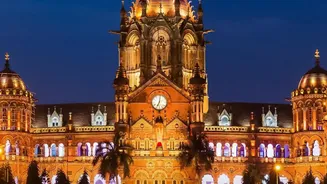
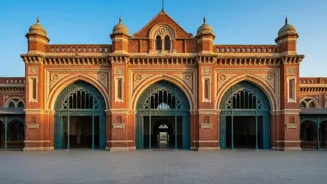
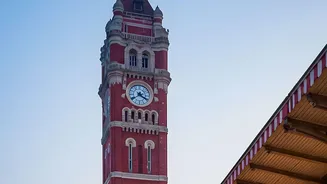
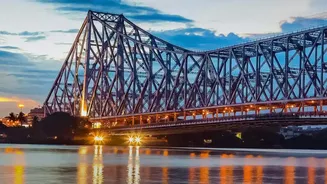
Out of the nearly 8,000 railway stations in India, this curated list of 103 holds special significance. Seventy-two of these stations were built in the 19th century, with 31 following in the early 20th century. The selection criteria revolve around their age, architectural distinction, and historical importance. The list includes some of the oldest stations in the country, such as Kalyan in Maharashtra and Howrah in West Bengal, both established in 1854. It also features architectural marvels like the grand Lucknow Charbagh station (1926), known for its blend of Rajput, Awadhi, and Mughal styles, and iconic mountain railway stations like Udagamandalam (Ooty) and Coonoor, which are part of a UNESCO World Heritage Site. These stations are living monuments, representing different eras of engineering and design.
Bringing History to the Platform
The “Station Mahotsav” will bring this history to life through a standardized program of activities. A key feature will be the screening of short films detailing the history and significance of each station. These will be complemented by historical photo exhibitions, allowing passengers and visitors to visually trace the station’s evolution. Furthermore, vintage railway items and paraphernalia, such as old signals, clocks, furniture, and ticketing equipment, will be put on display. These tangible artifacts serve as a direct link to the past, offering a glimpse into the operational realities and aesthetics of a bygone era of train travel. The plan also includes the unveiling of a special magazine, the 'Virasat Smarika', to document and commemorate this heritage.
From North to South, A Nationwide Celebration
The initiative is truly national in scope, with heritage stations selected from various railway zones across India. The Central Railway has the highest number of these historic stations, followed closely by Northern, Southern, and Eastern Railways. This ensures that the celebration of railway heritage is not confined to one region but is spread across the length and breadth of the country. Prominent stations on the list include Old Delhi Railway Station (1867), Pune (1925), and Thiruvananthapuram Central in Kerala (1931). Even the station of Malgudi (Arasalu) in Karnataka, immortalized by R.K. Narayan’s stories and established in 1934, is part of this historic list.
Balancing Heritage with Modernity
This focus on heritage is part of a larger dual strategy by Indian Railways. While celebrating its past, the organization is also pushing forward with one of the world's largest station redevelopment programs, the Amrit Bharat Station Scheme. Launched in December 2022, this scheme aims to modernize over 1,300 stations, equipping them with world-class amenities. The philosophy guiding this massive undertaking is “Vikas bhi, Virasat bhi” (Development and Heritage too). For the 30 heritage stations also included in the Amrit Bharat scheme, the challenge is to introduce modern facilities while preserving their historic character. This involves careful planning, such as ensuring new structures complement the old architectural style and materials, as seen in the work being done at Lucknow's Charbagh station.