







What Is Dust, Anyway?
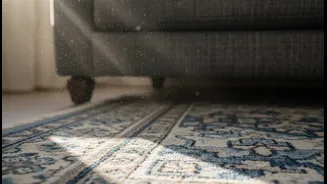
To defeat the enemy, you have to understand it. Household dust is a complex mixture of particles from both inside and outside your home. A significant portion consists of shed human skin cells and pet dander, which serve as a primary food source for microscopic
dust mites. But it also includes fabric fibres from clothes and upholstery, soil and pollen tracked in from outdoors, and even tiny insect fragments. Every home's dust composition is unique, but the components are universally annoying and can be a major trigger for allergies and asthma. The goal of a good dusting strategy is to remove these particles from your living space, not just move them around.
The Damp Cloth Advantage
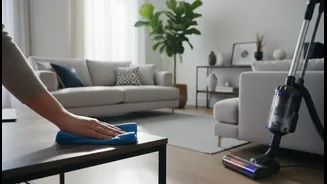
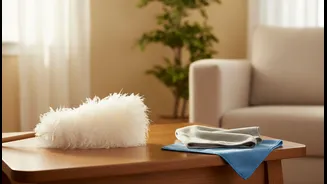
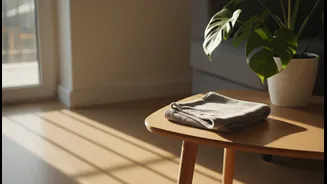
If you’re still using a dry cloth or a classic feather duster, you're likely just sending dust particles airborne, only for them to settle right back where they started. The simple act of dampening your cloth makes a world of difference. The moisture on the cloth uses capillary force to attract and trap dust particles, lifting them completely off the surface instead of scattering them. You don’t want a soaking wet rag; a lightly dampened cloth is ideal, as it won't leave behind water spots. For best results, use a microfiber cloth. The tiny fibres are exceptionally good at grabbing and holding onto dust, and their effectiveness is magnified when damp. This single change in technique ensures you are actually removing dust from the environment, which is especially beneficial for anyone sensitive to airborne allergens.
Upgrade Your Vacuum Game
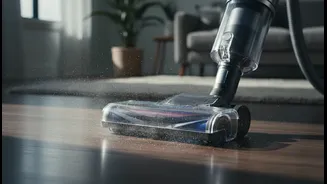
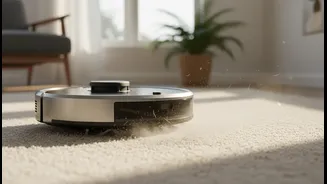
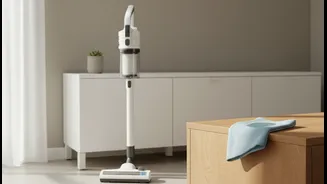
Not all vacuums are created equal. A standard vacuum without adequate filtration can be one of the biggest culprits in recirculating fine dust and allergens. It sucks particles off the floor, but then expels the smallest, most irritating ones back into the air through its exhaust. This is where a High-Efficiency Particulate Air (HEPA) filter becomes essential. By definition, a true HEPA filter must be able to trap 99.97% of particles as small as 0.3 microns. This includes the microscopic irritants like dust mite debris, pet dander, mould spores, and pollen that standard filters miss. Investing in a vacuum with a well-sealed HEPA filtration system ensures that when you clean your floors and furniture, the fine dust you capture stays captured, leading to significantly better indoor air quality.
Store Smarter, Not Harder
The final piece of the puzzle is proactive prevention. Dust settles on any exposed surface, so the fewer surfaces you have, the less dusting you’ll have to do. This is where closed storage becomes a powerful tool. While open shelving can be aesthetically pleasing, it’s a magnet for dust. Opting for cabinets with doors, lidded bins, and drawers drastically reduces the surface area where dust can accumulate. This is particularly effective for items that aren’t used daily, like decorative objects, extra linens, and seasonal clothing. Storing clothes and bedding in airtight containers or vacuum-sealed bags provides an excellent barrier against dust. By containing your belongings, you not only keep them cleaner but also streamline your cleaning routine by eliminating countless surfaces that would otherwise need constant attention.