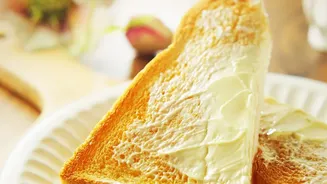








An Unexpected Twist on a Classic Comfort Food
Bread pudding has long been the ultimate comfort dessert, a warm, custardy creation born from the thrifty impulse to use up stale bread. Traditionally, soft, enriched breads like brioche or challah have been the go-to choices. But now, bakers are turning
to a surprising candidate: the rustic, tangy sourdough loaf. This shift isn't just about trying something new; it's about fundamentally elevating the dessert. The unique characteristics of sourdough introduce a layer of complexity that transforms the familiar sweet treat into something truly spectacular. It's a move that takes bread pudding from a simple, comforting dish to a restaurant-quality dessert with a perfect balance of flavours.
The Perfect Balance of Sweet and Tangy
The magic of sourdough in bread pudding lies in its signature tangy flavour. That slight sourness, a product of the natural fermentation process, provides a beautiful counterpoint to the sweetness of the custard. Where traditional bread puddings can sometimes be overwhelmingly sweet, the sourdough version offers a more balanced and sophisticated profile. This tang cuts through the richness of the eggs and cream, preventing the dessert from feeling heavy and allowing other flavours, like vanilla, cinnamon, or fruit, to shine. The result is a dessert that tastes both indulgent and refreshingly complex, like a cross between classic French toast and strawberry shortcake when paired with berries.
Texture Is Everything
Beyond flavour, sourdough brings a superior texture to the table. Its sturdy, open crumb and chewy crust are structural advantages. Unlike softer breads that can dissolve into mush, sourdough cubes hold their shape remarkably well, even after soaking in a rich custard. This ensures the final dish has a delightful textural contrast: a tender, creamy interior punctuated by chewy, satisfying bites of bread. For an even better result, many experts recommend using day-old or slightly stale sourdough, as it's drier and can absorb more of the liquid custard without falling apart. Some even suggest lightly toasting the bread cubes to enhance their flavour and soaking ability.
A Canvas for Creative Flavours
The robust nature of sourdough makes it a versatile base for a wide array of flavour combinations. The tangy notes pair wonderfully with both rich and bright additions. For a decadent treat, many recipes incorporate chocolate chips, chopped nuts like pecans, or a drizzle of caramel or rum sauce. The rum-and-raisin combination is a popular 'grown-up' version. On the fresher side, the sourdough tang is complemented beautifully by fruit. Berries, apples, and citrus zest are fantastic additions that highlight the bread's complex flavour. Serving the pudding with a bright strawberry or blueberry compote cuts through the richness and adds a vibrant, fresh element.
Tips for the Perfect Sourdough Pudding
Ready to try it at home? Success is all about a few key techniques. First, always use stale, day-old bread for the best texture. If your loaf is fresh, you can cube it and let it dry out on the counter for a few hours or toast it lightly in the oven. Don't be afraid to use the crusts; they add a wonderful chewiness and will toast up nicely on top. After pouring the custard over the bread, let the mixture soak for at least 20-30 minutes to ensure every piece is fully saturated. Finally, for the creamiest, silkiest texture, consider baking the pudding in a water bath—placing your baking dish inside a larger pan filled with hot water—to help the egg custard cook gently and evenly.