








The Bright Spot in a Slowing World
In its latest global outlook, Moody's Analytics has painted a picture of a world economy losing steam, with global growth projected to slow to 2.5% in 2026. Amid this widespread moderation, India stands out as a significant exception. The agency expects
India to maintain its position as the fastest-growing major economy, outpacing peers like China, the United States, and the Eurozone. While Moody's acknowledges that India, too, "will lose a step" due to softer global demand and trade uncertainties, its relative strength remains a key feature of the forecast. The report points to strong domestic demand and continued government investment in infrastructure as key pillars supporting this robust performance. However, this positive trajectory is not without its vulnerabilities, and the agency is clear that external risks could easily disrupt the outlook.
A Clear and Present Danger
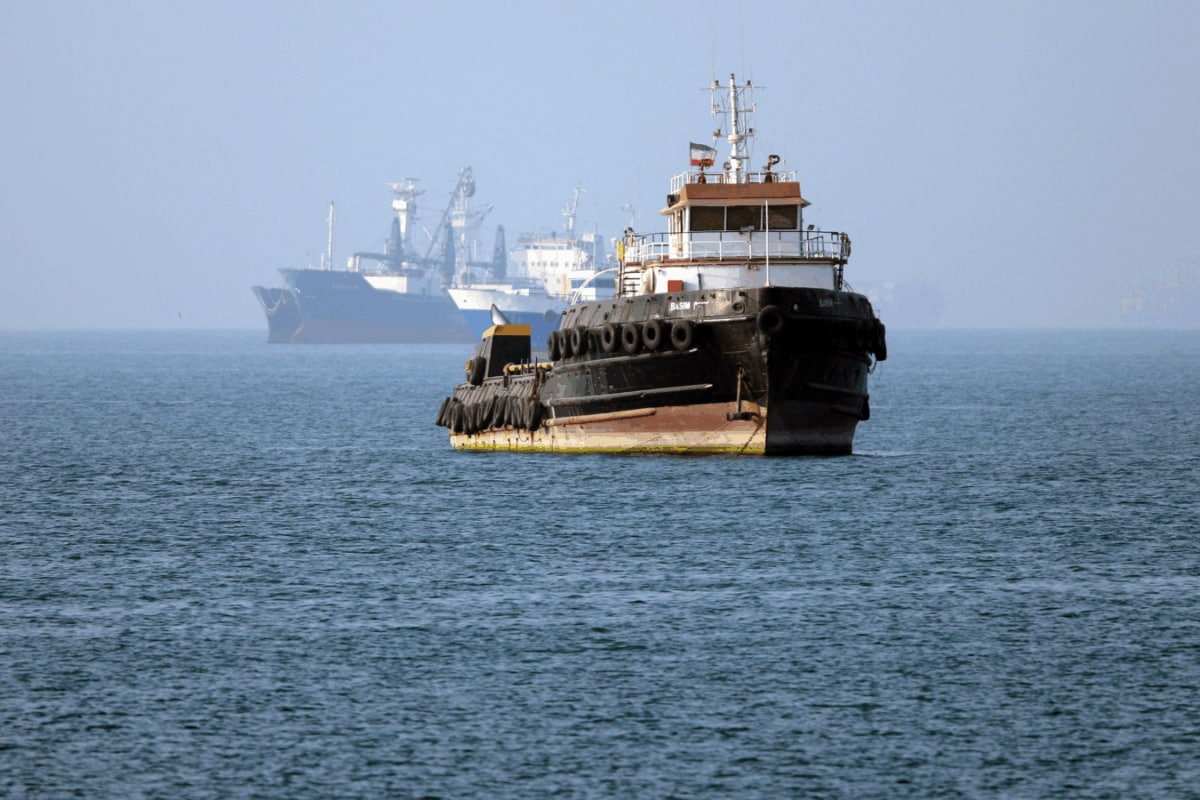
The primary risk highlighted by Moody's is the potential for a severe energy supply shock linked to escalating conflicts in West Asia. The concern revolves around disruptions to shipping through critical chokepoints like the Strait of Hormuz, a vital artery for global oil and Liquefied Natural Gas (LNG) shipments. Any prolonged closure or disruption in this region could cause crude oil prices to spike significantly. Moody's has warned that such a scenario, where Brent crude prices rise and remain above $100 per barrel, would create significant economic strain for energy-importing nations. This is not a distant threat; the report suggests that geopolitical tensions are the main downside risk that could flip the global outlook from slow growth towards recession.
India's Achilles' Heel: Energy Imports
India's economic engine is thirsty, and its heavy reliance on imported energy makes it particularly vulnerable to such shocks. The country imports nearly 90% of its crude oil requirements, making it one of the most exposed economies in Asia to fluctuations in global energy prices. A significant portion of these imports, sometimes over 50%, has historically come from the West Asian region. This deep dependence means that any surge in crude oil prices has an immediate and direct impact on India's economy. Costlier energy imports directly translate to a wider trade deficit, put pressure on the rupee, and strain the country's foreign exchange reserves. As Moody's and other analysts have pointed out, every $10 increase in the price of a barrel of oil significantly widens India's current account deficit.
The Ripple Effect on Streets and Markets
The consequences of an energy shock are not confined to macroeconomic spreadsheets; they ripple out to affect businesses and households across the country. A spike in oil prices leads to higher fuel costs for transportation, which in turn drives up the prices of food and other essential goods, fueling inflation. This can erode household purchasing power and dampen consumer demand, a key driver of India's growth. For the government, it creates a difficult balancing act. It faces pressure to increase subsidies on fuel and fertiliser to cushion the blow for consumers and farmers, which strains the fiscal budget. For businesses, especially in energy-intensive sectors like chemicals, cement, and textiles, higher input costs squeeze profit margins and can deter investment.
Navigating the Turbulence
While the threat is serious, India is not without defences. Moody's has noted that the country's external position remains relatively sound, thanks to large foreign exchange reserves and a limited reliance on cross-border financing. In response to geopolitical headwinds, the government and Reserve Bank of India have previously taken steps to manage the currency and support the economy. Furthermore, there is an ongoing strategic effort to diversify energy sources beyond West Asia, with India exploring long-term contracts with countries in the Americas and Africa. Indian refiners have also become more adept at adjusting their sourcing strategies in response to global disruptions. However, Moody's warns that the effectiveness and timeliness of policy actions in managing these trade-offs will be crucial to maintaining macroeconomic stability and investor confidence in the face of a sustained energy shock.