





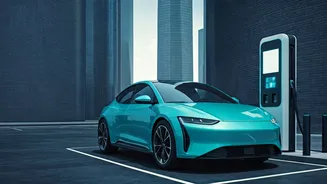


A Major Policy Shift
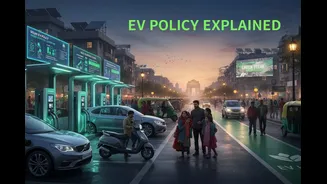
Delhi's government has approved its new Electric Vehicle (EV) Policy, which comes into effect on July 1, 2026, and will run until March 31, 2030. This isn't just a minor update; it's a strategic overhaul. The previous policy focused more on enabling adoption
through broad incentives. The new plan, backed by a budget of around ₹15,000 crore, is laser-focused on the buyer, combining purchase subsidies, scrappage bonuses, and tax waivers to make EVs a more attractive financial choice from day one. The clear goal is to accelerate the transition away from internal combustion engine (ICE) vehicles by making the electric alternative significantly cheaper to acquire.
What's In It for Buyers?
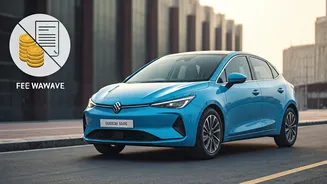
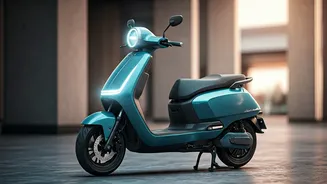
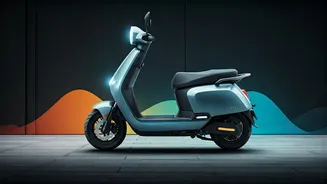
The new policy is packed with direct benefits for consumers. For four-wheelers, the biggest win is a 100% exemption on road tax and registration fees for electric cars with an ex-showroom price up to ₹30 lakh. Perhaps the most talked-about feature is the new scrappage incentive. If you scrap an old BS-IV or earlier car and buy a new EV (under the ₹30 lakh cap), you can get a benefit of up to ₹1 lakh. For two-wheeler buyers, a purchase incentive of up to ₹30,000 is available in the first year, tapering down in subsequent years. Electric three-wheelers are eligible for an incentive of up to ₹50,000 in the first year. All these benefits will be processed through a dedicated online portal via Direct Benefit Transfer (DBT), ensuring the money reaches the buyer directly.
The Push for a Greener Fleet
Beyond individual buyers, the policy aggressively targets high-usage commercial vehicles, which are major contributors to Delhi's pollution. The plan includes purchase incentives of up to ₹1 lakh for N1 category light commercial e-trucks. More significantly, the policy sets firm deadlines. From January 1, 2027, only electric three-wheelers (passenger and goods) will be allowed for new registrations. From April 1, 2028, the same rule will apply to all new two-wheelers, effectively phasing out the sale of new petrol scooters and motorcycles in the capital. This structured transition moves beyond just incentives and builds a concrete timeline for electrifying Delhi's most utilized vehicle segments.
Why the Change in Strategy?
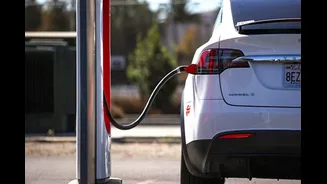
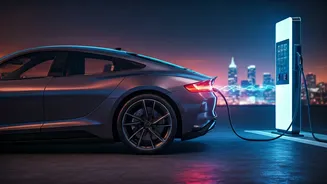
The pivot to a buyer-centric model with aggressive timelines reflects a key learning: to achieve ambitious environmental goals, the financial barrier for consumers and small businesses must be lowered. Officials have noted that two-wheelers, three-wheelers, and commercial goods carriers are responsible for a significant chunk of vehicular pollution. The new policy directly targets these segments with the most attractive incentives. The government also explicitly decided against including hybrid vehicles in the incentive scheme, choosing to focus financial support exclusively on pure EVs to maximize the environmental impact. This move signals a clear belief that a full transition to zero-emission vehicles, rather than an intermediate step, is necessary for Delhi's future. To support this influx of new EVs, the city also plans to install over 30,000 new charging points.