

More Than a Global Trend
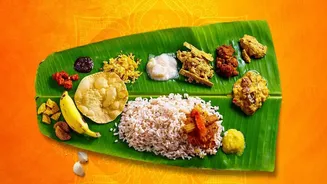
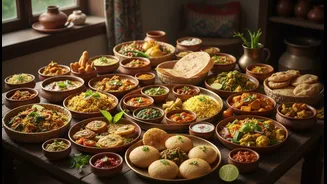
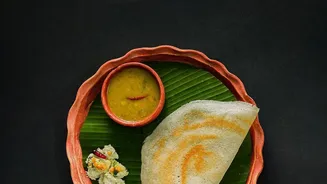
The idea of a plant-rich diet is hardly new to India. For centuries, our food culture has been predominantly plant-based, built on a foundation of lentils, grains, vegetables, and a masterful use of spices. From the hearty dals and sabzis of the North
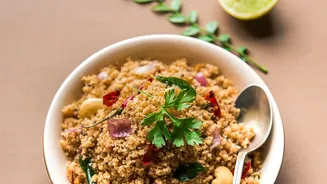
to the coconut-based curries and rice dishes of the South, Indian cuisine is a testament to how flavourful and satisfying meals without meat can be. The modern 'plant-based' movement, however, often arrives with Western baggage: expensive mock meats, imported superfoods like quinoa and avocado, and recipes that don't always align with traditional Indian flavours. This creates a disconnect. While the principle of eating more plants is sound, the execution must be culturally and economically relevant.
The Richness of Regional Kitchens
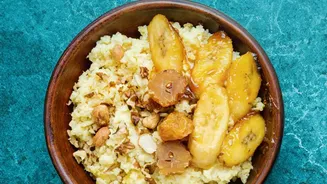
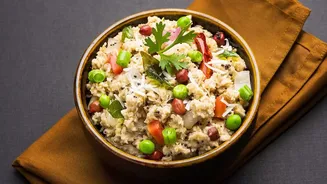
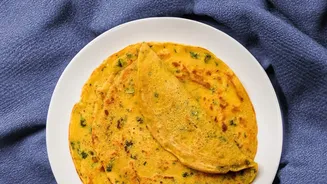
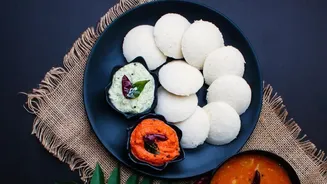
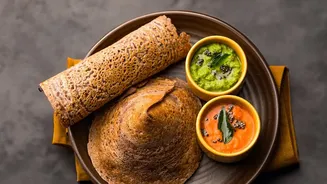
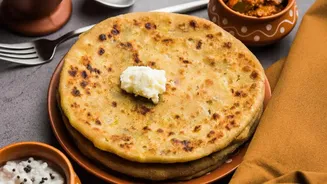
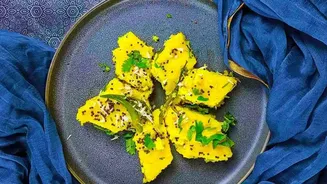
India’s strength lies in its diversity, and this is especially true of its food. A truly Indian approach to plant-rich cooking doesn't need imported ingredients; it needs a rediscovery of its own regional treasures. Think of the millet-based breads like jowar and bajra roti, common in Western India, which provide sustained energy. Or the intricate use of lentils in the South, where dishes like sambar and rasam are both delicious and packed with protein. Eastern India offers unique vegetable preparations, while the North has perfected dishes like chole (chickpea curry) and palak paneer (spinach and cottage cheese). These dishes have been refined over generations to be both nutritious and deeply satisfying. They prove that a fulfilling plant-forward diet doesn’t require abandoning familiar tastes, but rather celebrating them.
The Challenge of Access and Affordability
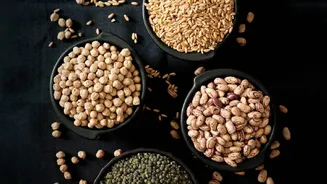
A crucial aspect often overlooked by global food trends is accessibility. Promoting a diet reliant on ingredients that are expensive or not locally available is counterproductive. In India, a significant portion of the population faces challenges in affording a consistently nutritious diet. Government data has highlighted gaps in the consumption of nutrient-rich foods like fruits and vegetables, partly due to cost. Therefore, any conversation about healthy eating must prioritize what is affordable and accessible. Relying on locally grown, seasonal vegetables and staples like dals, millets, and legumes is not only more economical but also more sustainable. The focus should be on leveraging the Public Distribution System (PDS) and local markets, not specialty health food stores.
A Return to Roots for a Healthier Future
The path forward for plant-rich cooking in India involves looking inward. Instead of chasing global fads, we can find inspiration in our grandmothers' kitchens. This means embracing the 'original' whole foods of the Indian diet: diverse grains, a rainbow of vegetables, and a variety of lentils and legumes. It means understanding that pairing dal with rice or roti creates a complete protein, a concept already built into our traditional meal structures. This approach respects not only our palates but also our economic realities. By championing our own culinary heritage, we can build a model of plant-rich eating that is authentic, sustainable, and inclusive. It’s about celebrating the inherent wisdom of Indian food, which has always known how to make plants the star of the plate.