





An Unlikely Crop for a New Beginning
For generations, farming in many of India's indigenous communities meant a reliance on traditional crops like paddy, millets, and local vegetables. While essential for subsistence, these often yielded modest and unreliable incomes, forcing many to seek
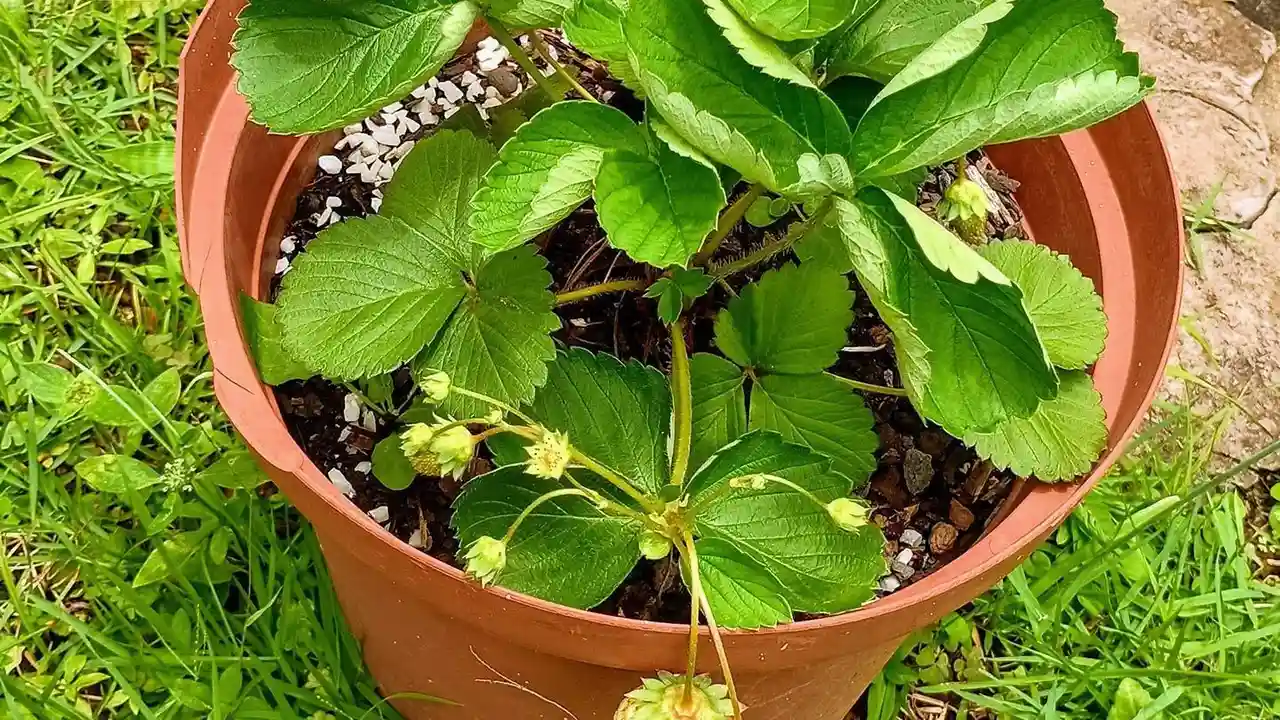
physically demanding and low-paying work as daily wage labourers to make ends meet. The idea of cultivating a delicate, high-value fruit like strawberries seemed worlds away. Yet, starting around a decade ago, various government bodies and non-profit organizations began to see an opportunity. The Integrated Tribal Development Agency (ITDA), Odisha Livelihood Mission, and other groups started to introduce strawberry cultivation as a pilot project in districts like Koraput, Kandhamal, and Keonjhar. Initially, many farmers were hesitant, fearing the risks of a crop they had never seen, let alone grown. But with persuasion, training, and support, a handful of families agreed to try.
Cultivating More Than Just Fruit
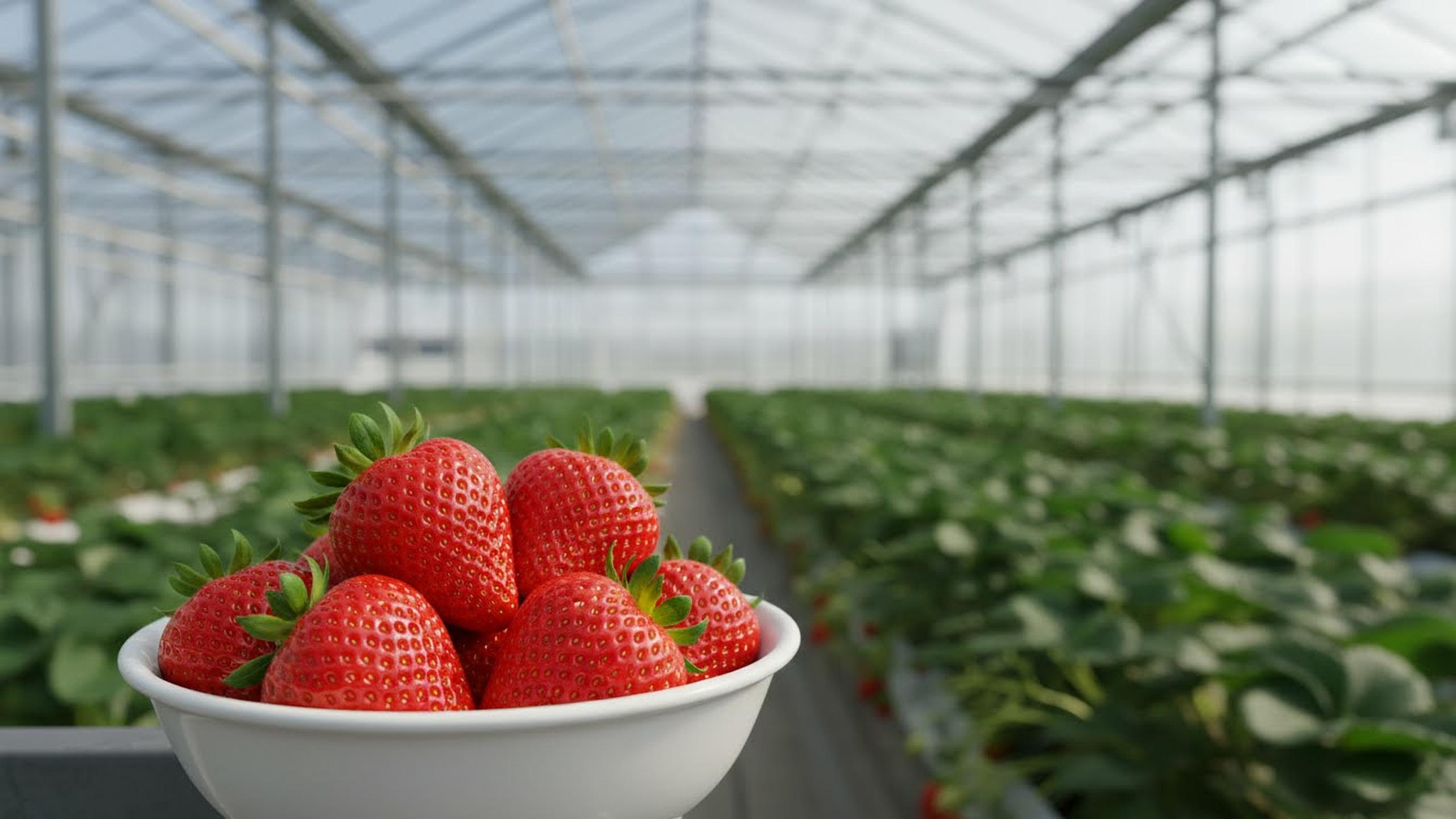
The success of these projects wasn't just about planting saplings; it was about creating a new ecosystem of support. The climate in many of these regions, with cool nights and well-drained soil on plateaus, turned out to be surprisingly favourable. Organizations provided crucial inputs, from saplings often sourced from Mahabaleshwar to financial assistance and technical training in modern agricultural practices like drip irrigation and mulching. Farmers, many of whom were women from Self-Help Groups (SHGs), were trained in everything from soil preparation to pest management. This shift represented more than just a change in crop; it was a move towards precision, market-aware agriculture. For tribal farmers accustomed to rain-fed agriculture, this new, intensive approach offered a chance to diversify their income beyond a single annual harvest.
The Tangible Taste of Success
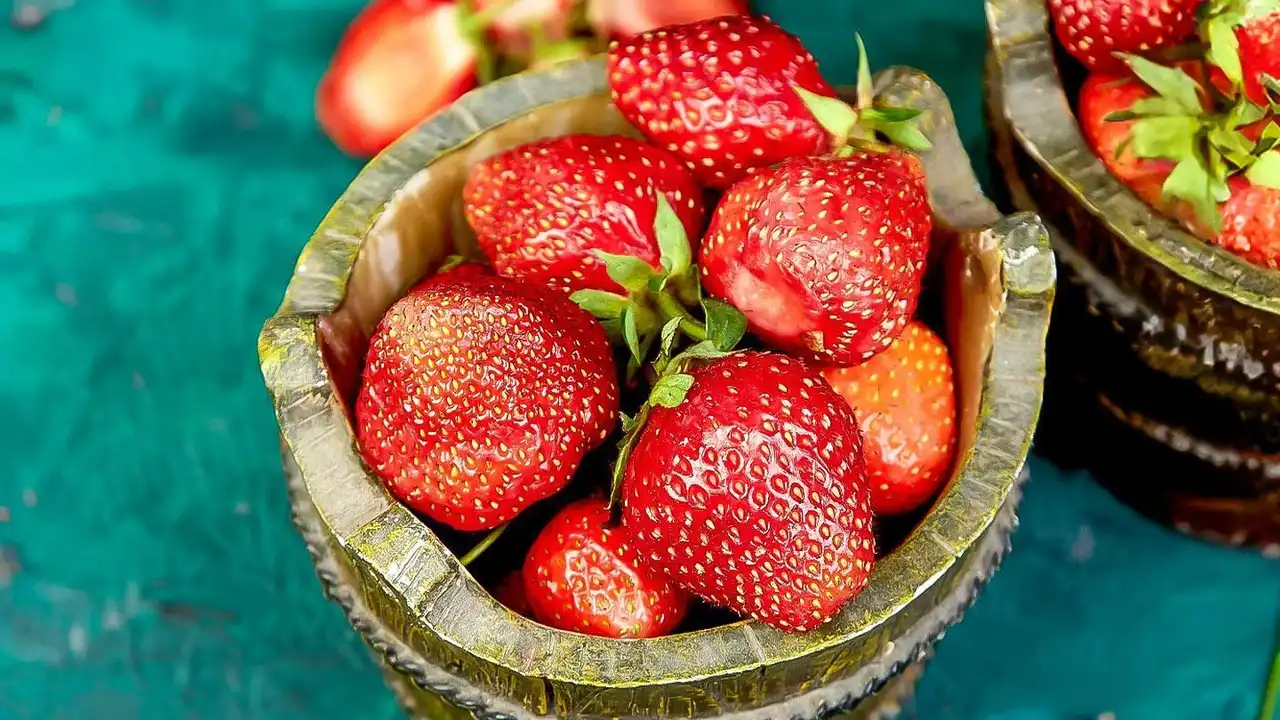
The results, over several years, have been transformative. Farmers who once earned between ₹10,000 to ₹15,000 annually from vegetables found themselves making lakhs in just a few months from strawberries. In Koraput, one farmer reported earning ₹1.6 lakh in a single five-month season. In Nuapada district, another farmer saw his income jump from ₹70,000 from traditional crops to around ₹4 lakh from strawberries. This dramatic increase in income has had a profound ripple effect. Families have been able to invest in better housing, afford better education for their children, and clear loans. For many women farmers, the financial independence gained has given them a stronger voice in household and community decisions. In some areas, the availability of a lucrative local livelihood has even started to reduce the seasonal migration of young people to cities in search of work.
Challenges and the Road Ahead
The journey has not been without its challenges. Early projects faced issues with high mortality rates for saplings and damage from unexpected weather. But the most persistent hurdle has been market access. Growing the strawberries is one thing; getting the highly perishable fruit to urban markets hundreds of kilometres away is another. Farmers have often worried about robust marketing linkages to ensure their efforts aren't in vain. In response, government agencies and partners have stepped in to help, creating local brands like 'Sunabeda Strawberries' and 'Gonashika Fresh' and establishing outlets to sell the produce. The focus is now shifting towards long-term sustainability, which includes building stronger cooperative models, exploring value-added products like jams and preserves, and finding eco-friendly packaging solutions.