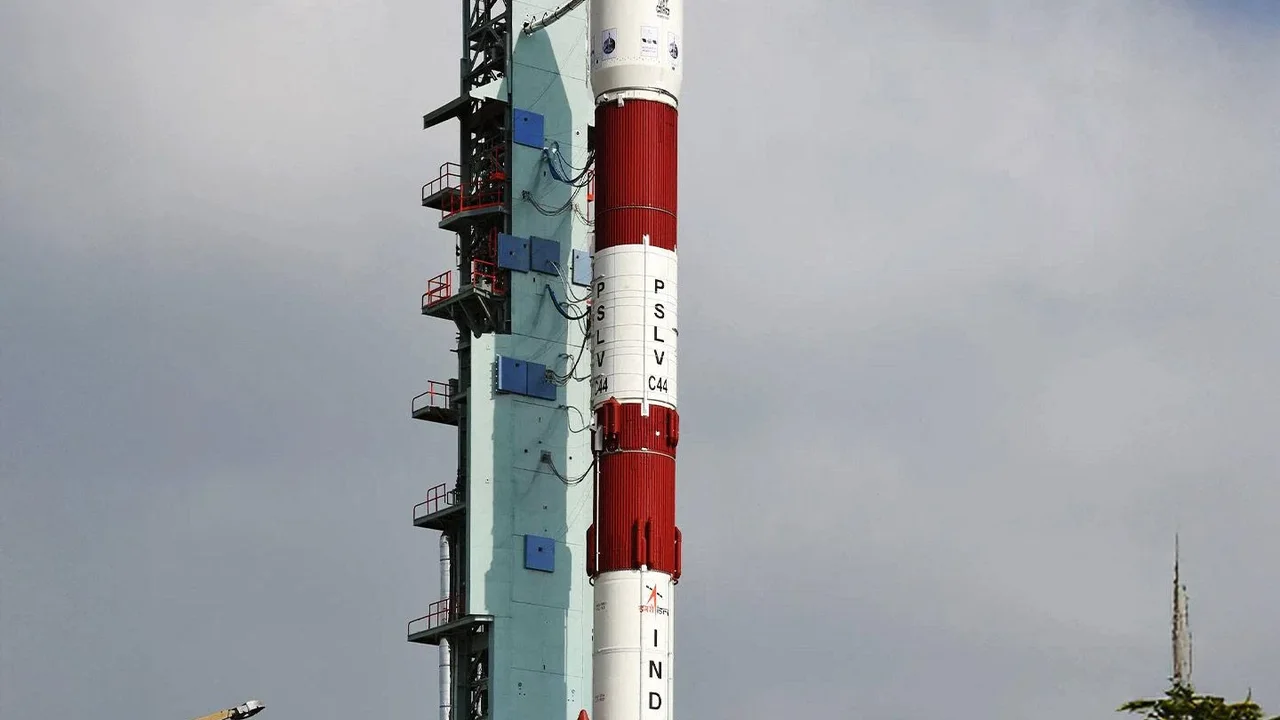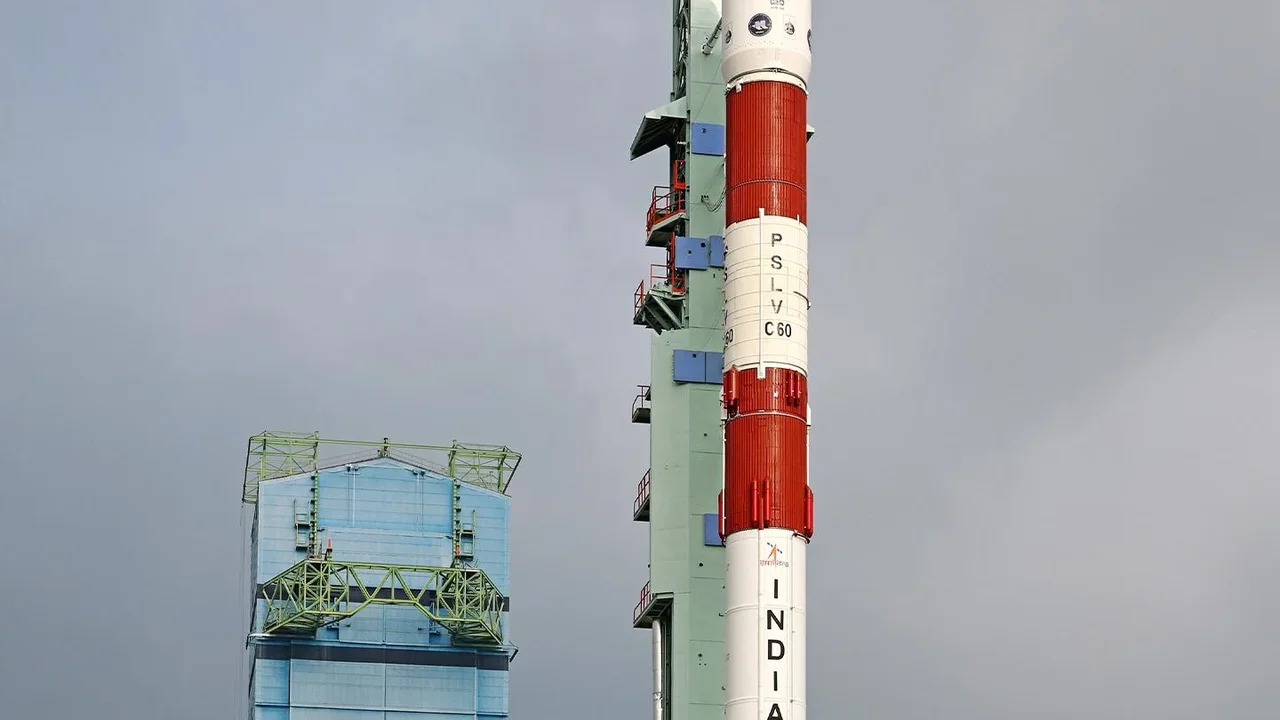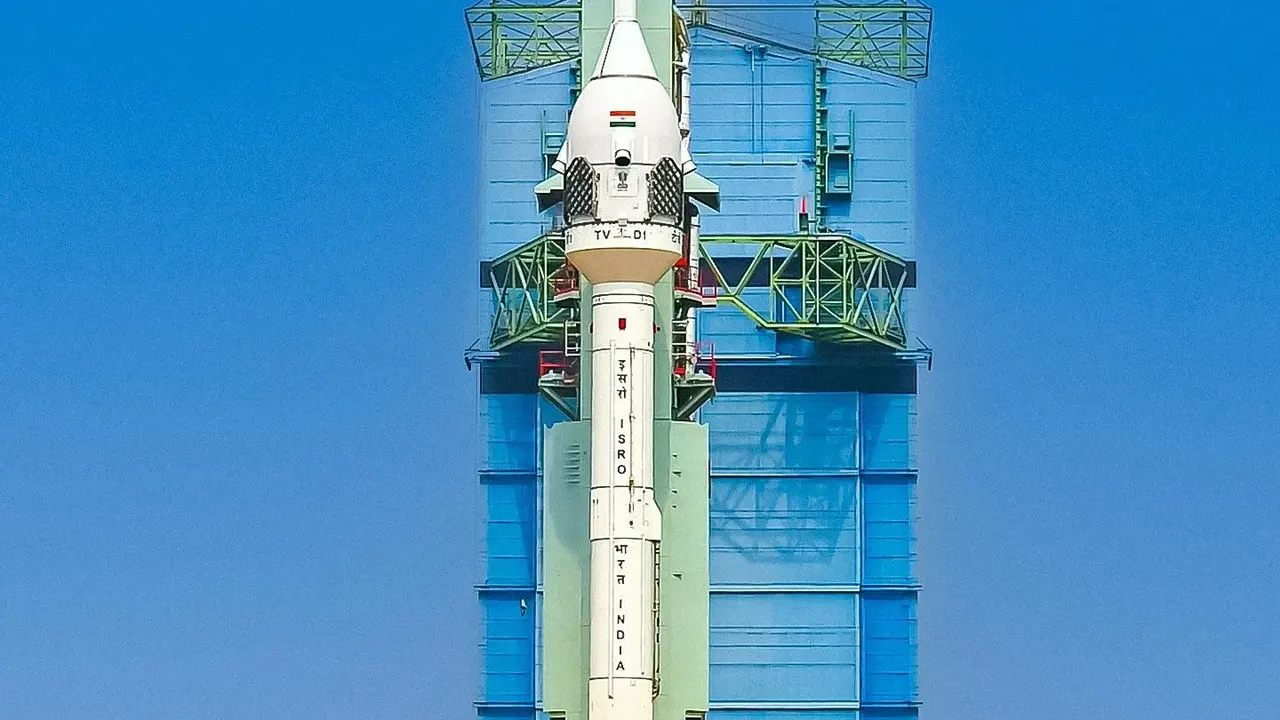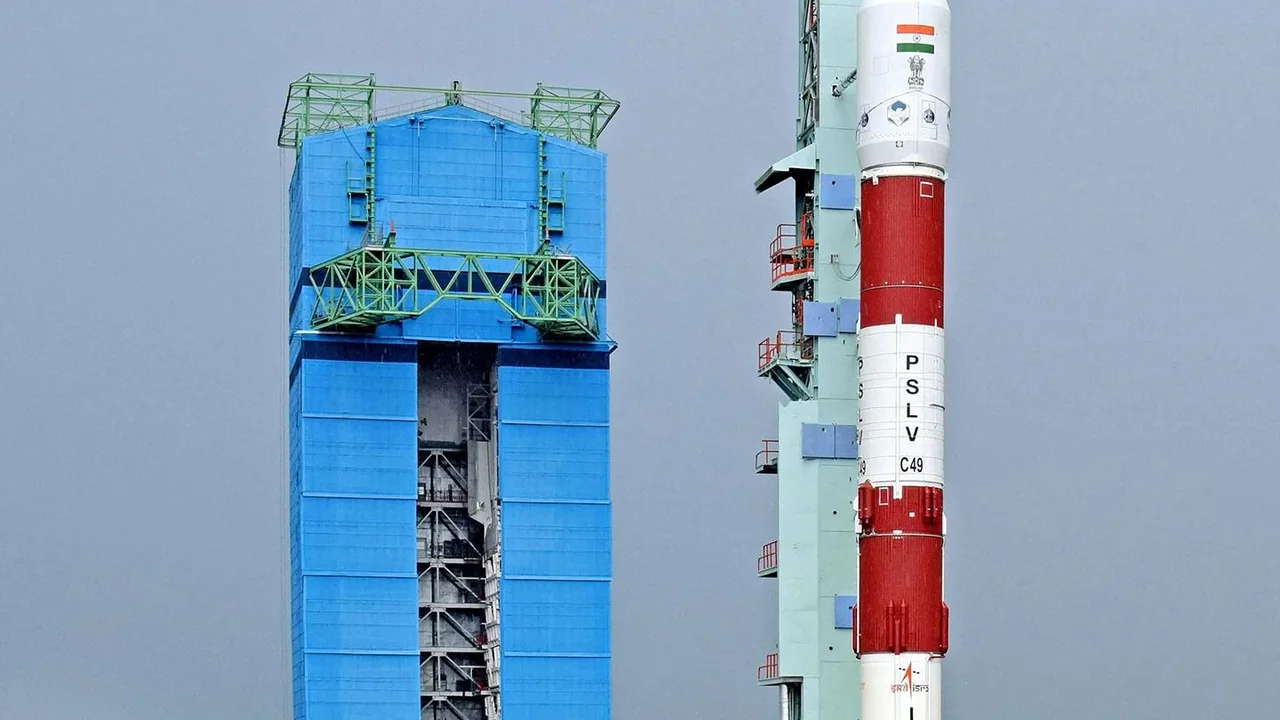








A Spate of High-Profile Exits
The numbers are significant enough to warrant attention. In recent months, between 100 and 120 scientists and engineers have resigned or taken voluntary retirement from the Indian Space Research Organisation (ISRO). These aren't just junior members; the departures
include senior personnel crucial to some of India's most prestigious projects, such as the LVM3 rocket project director and key figures from the Chandrayaan-3 and Space Docking Experiment (SpaDeX) teams. The exits have been most pronounced at strategically vital centers, with reports indicating nearly 80 departures from the U.R. Rao Satellite Centre (URSC) in Bengaluru and around 20 from the Vikram Sarabhai Space Centre (VSSC) in Thiruvananthapuram.
The New Exit Protocol Explained
In response, the Department of Space (DoS) issued a memorandum on July 14, 2026, effectively making it harder for scientists on key missions to leave. The new directive instructs ISRO centre directors to no longer routinely approve resignation or voluntary retirement requests from Group 'A' scientific and technical personnel involved in missions like the Gaganyaan human spaceflight programme and other projects of national importance. Instead, all such requests must now be forwarded to the DoS for a final decision. This move reverses a 2020 policy that had delegated this authority to the centre directors, signalling a centralized effort to manage the outflow of critical talent.
The Pull of the Private Sector
A primary driver behind this exodus is the explosive growth of India's private space sector. Since the government opened the sector to private participation in 2020, a host of startups like Skyroot Aerospace, Agnikul Cosmos, and Pixxel have emerged, creating a competitive market for talent. These private firms often offer significantly higher salaries, stock options, and faster career progression. For many scientists, the private sector also provides greater autonomy, creative freedom, and the opportunity to take on leadership roles earlier in their careers, away from what some describe as the "stifling weight of public sector bureaucracy."
Internal Challenges and Mission Delays
Beyond the lure of private companies, internal factors at ISRO are also contributing to the departures. Some scientists have pointed to sluggish career growth and rigid hierarchical promotion structures within the government framework. Delays in high-profile missions like Gaganyaan have also reportedly caused frustration. The Department of Space's own memorandum acknowledges that the spate of resignations is "severely impacting the implementation of projects of national importance," an admission that the brain drain is threatening the timelines of India's most ambitious space goals.
What This Means for India's Space Ambitions
Losing experienced personnel is more than a numbers game. Institutional knowledge, especially on complex, long-term projects like Gaganyaan, cannot be easily replaced by fresh recruitment. While ISRO Chairman V Narayanan has acknowledged the departures, he has also stated that the organisation is prepared to manage the transition and that the new protocol is designed to ensure projects do not suffer suddenly. However, critics argue that administrative controls to prevent exits do not address the root causes. Retaining top talent in an increasingly competitive global landscape requires making public institutions more attractive employers, not just building higher walls. The challenge for ISRO is not just to launch rockets, but to secure the human capital that makes those launches possible.