






A headline this massive almost sounds like science fiction: one million new satellites from SpaceX, all powered by AI. On November 25, the US Federal Communications Commission (FCC) did make a historic decision. But what does it really mean?
What Was Actually Approved?
The US FCC
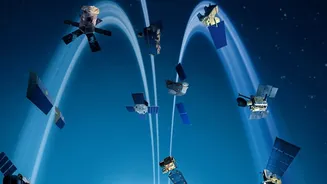
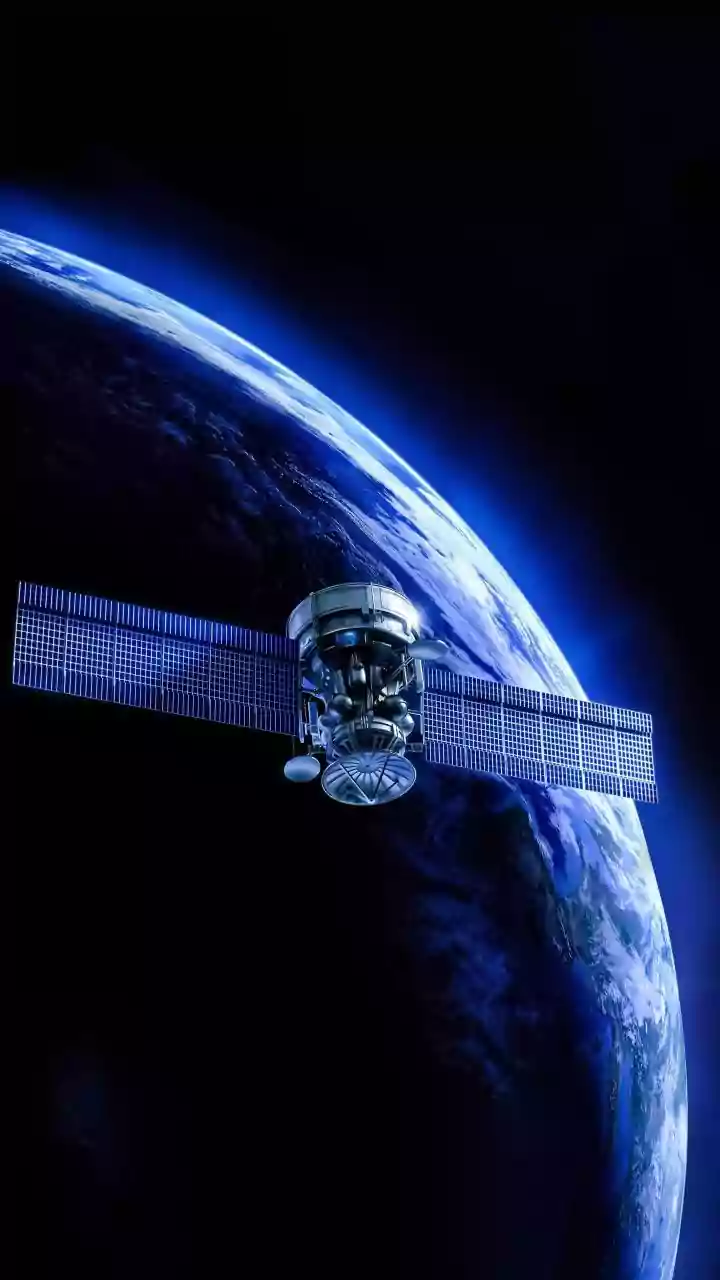
granted SpaceX conditional approval to deploy a constellation of up to one million 'orbital compute modules' for a project named 'Starmind'. This is not for the Starlink internet service we are familiar with. Instead, the goal is to create data centres in space. The idea is that these satellites will harness solar power to run massive AI computations in orbit, processing data that will then be used on Earth. This ambitious plan aims to meet the rapidly growing energy demands of artificial intelligence, which are putting a strain on terrestrial power grids. SpaceX argues that by moving this workload to space, they can take advantage of near-constant sunlight for power and the vacuum of space for cooling, making it more efficient.
One Million Satellites: Fact or Fiction?
The number is staggering, especially when you consider there are only around 16,000 to 18,000 active satellites in orbit today in total. Launching one million more represents a more than 50-fold increase from a single company. While the FCC authorization does indeed cover up to one million units, some analysts believe this number is aspirational. Satellite operators often request approval for a much larger number than they intend to deploy to allow for design flexibility. The FCC's approval comes with a long timeline: SpaceX must launch its first Starmind satellite by 2033, deploy 10% (100,000) by 2035, and 50% (500,000) by 2038. Some experts remain deeply skeptical, calling the plan a 'fantasy' due to immense technical and financial hurdles.
Are These 'AI Satellites'?
The term 'AI satellite' can be misleading. These are not sentient robots in orbit. Instead, think of them as flying, solar-powered computers. Their main job is to act as data centres, processing information for AI applications on the ground. However, AI is also crucial for the satellites' own operations. Modern constellations like Starlink already use AI and advanced automation for tasks like maintaining their orbital positions, autonomously avoiding collisions with other satellites or space debris, and optimising communication links. The Starmind satellites will take this further, using their onboard computers for massive data workloads while also relying on AI to manage their own complex systems and communicate with the Starlink network via lasers.
A New Space Race for Data
SpaceX is not alone in seeing the potential of space for data processing. Competitors like Amazon's Project Kuiper, Blue Origin, and even Google have voiced similar ambitions. The push is driven by the AI boom's insatiable appetite for electricity and the increasing difficulty of building large data centres on Earth due to land use and community opposition. The FCC chairman framed the approval as a key move for American leadership in AI. However, this new frontier is not without controversy. SpaceX's application faced strong opposition from competitors and scientists.
Concerns Over a Crowded Sky
The prospect of one million new objects in low-Earth orbit has alarmed the scientific community. The American Astronomical Society expressed dismay, warning that the Starmind constellation would be visible as bright objects in the night sky, disrupting ground-based telescopes and threatening decades of investment in astronomy. There are also major concerns about orbital debris. With tens of thousands of satellites already in orbit, adding a million more dramatically increases the risk of collisions, which could create clouds of space junk that endanger all other satellites. The FCC stated that environmental concerns fell outside its authority and that SpaceX's plan was consistent with existing orbital debris rules, but deferred a decision on how SpaceX will handle older satellites operating at higher altitudes.