




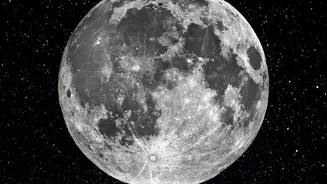
A Once-in-a-Century Discovery
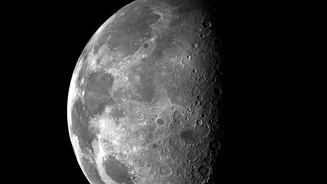
Scientists have identified what they are calling the largest newly formed impact crater ever spotted in our solar system. The feature, officially named the McGetchin crater, measures an impressive 222 meters (about 728 feet) across and is up to 43 meters (141
feet) deep. Researchers believe it was formed by the impact of an asteroid or comet fragment sometime in the spring of 2024. What makes this find so remarkable is its rarity; an impact of this magnitude is estimated to occur on the Moon only once every 132 years, making this an exceptional, once-in-a-lifetime observation for scientists.
Hiding in a Flood of Data
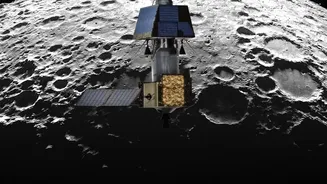
So, how did a crater twice the length of a football field go unnoticed for over two years? The answer lies in the sheer volume of information sent back by NASA's Lunar Reconnaissance Orbiter (LRO). While the impact occurred in 2024, the initial wide-angle images showing the change were not identified from the flood of data until August 2025. The moon strike itself was not detected in real-time by any telescopes. It took a specialist reviewing the images to notice the tell-tale signs of a fresh impact. Follow-up observations with the LRO's more detailed Narrow-Angle Camera last fall finally confirmed the discovery earlier this year, revealing the fresh, steep-sided hole in the lunar surface.
The LRO: Our Watchful Eye on the Moon
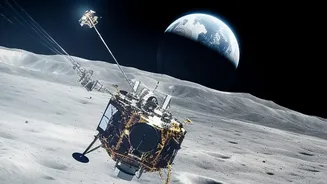
This discovery would not have been possible without NASA's Lunar Reconnaissance Orbiter. Launched in 2009, the LRO has been circling the Moon for over 17 years, creating a comprehensive 3D map of its surface. Its primary mission was to identify safe landing sites and potential resources, but its long-term presence has turned it into a powerful tool for monitoring surface changes. By comparing new images to the vast archive of older ones, scientists can spot new craters, landslides, and other geological shifts. The LRO's instruments are so sensitive they have helped identify over 1,000 new craters since the mission began, though none as large as McGetchin.
More Than Just a Crater
The McGetchin crater is more than just a new scar on the Moon; it is a pristine scientific laboratory. Because it is so new, it provides a perfect snapshot of the cratering process before the harsh environment of space begins to erode it. The impact was powerful enough to churn the lunar surface for more than 100 kilometers and revealed intriguing details about the Moon's surface material, known as regolith. One study found a seven-kilometer-wide cold spot around the crater, suggesting the impact loosened the topsoil, making it 'fluffier' and less able to hold heat. This kind of information is invaluable as NASA plans to build a permanent base on the Moon, helping engineers design structures that can withstand the lunar environment.