





Unpacking the Numbers
The headline stems from recent media reports indicating a broader trend of attrition across the Indian Space Research Organisation (ISRO). According to multiple sources, between 100 and 120 scientists have resigned or taken voluntary retirement from ISRO in recent months.
The Vikram Sarabhai Space Centre (VSSC) in Thiruvananthapuram, a crucial hub for launch vehicle technology, reportedly saw around 20 of these departures. The U R Rao Satellite Centre (URSC) in Bengaluru reportedly faced an even larger number of exits, with some sources citing around 80 departures there. This wave of exits includes senior personnel, raising concerns about the loss of invaluable experience from projects of national importance.
Why VSSC Is So Important
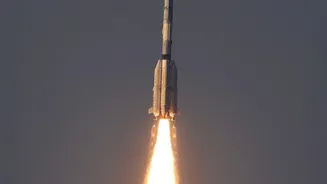
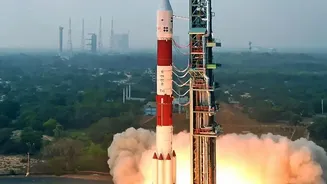
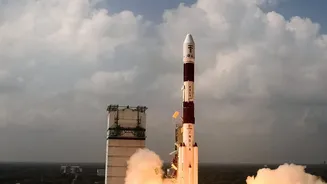
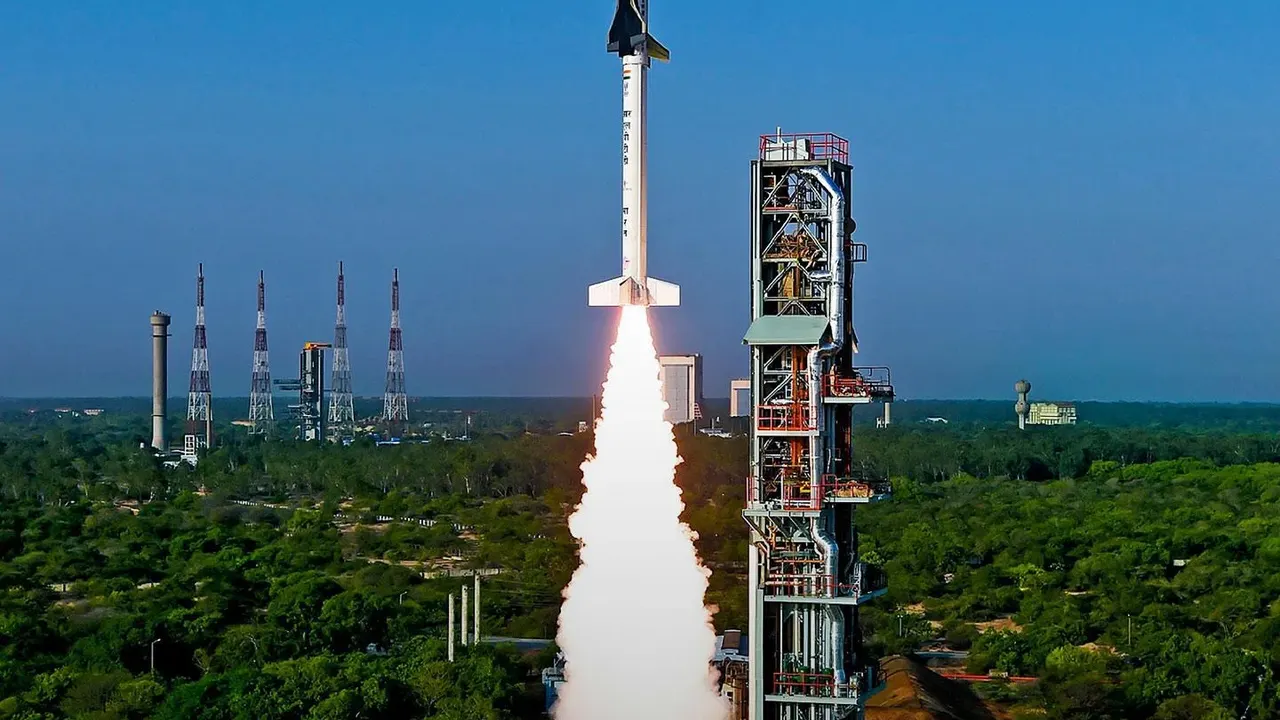
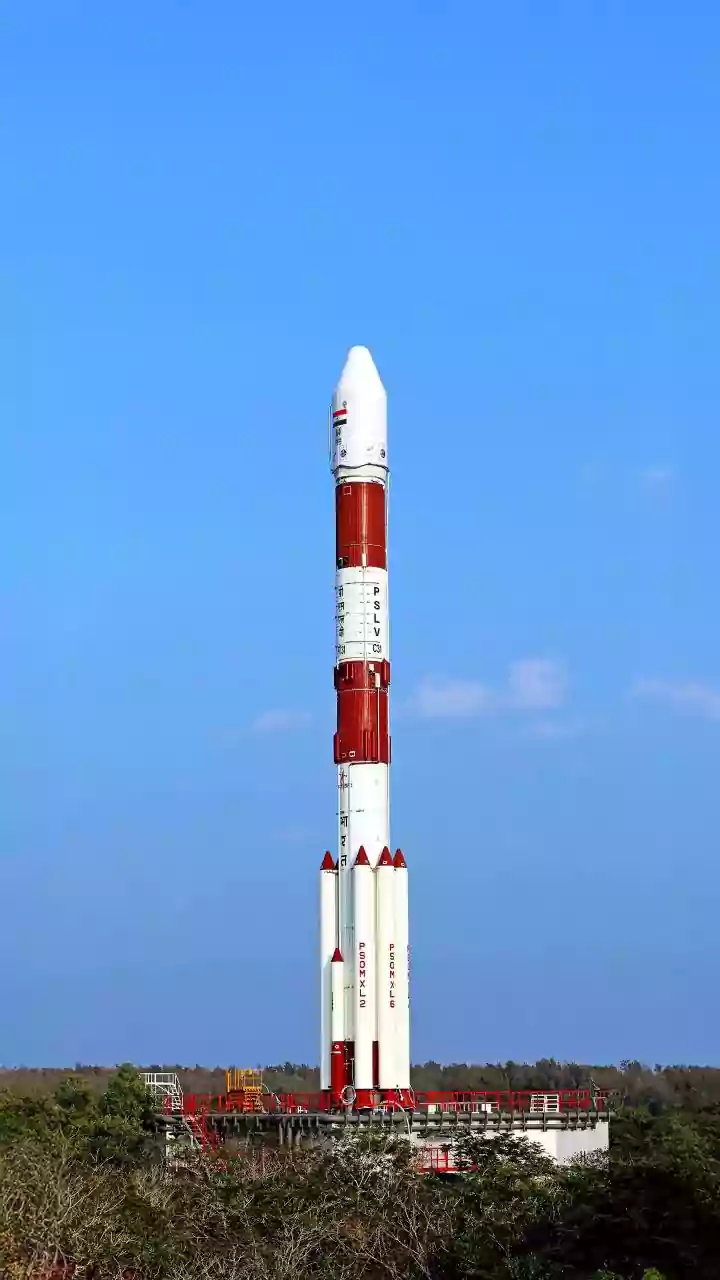
To understand the significance of these departures, it's essential to appreciate VSSC's role. VSSC is the lead centre for the design and development of launch vehicles for ISRO. It is the powerhouse behind the Polar Satellite Launch Vehicle (PSLV) and the Geosynchronous Satellite Launch Vehicle (GSLV), including the powerful LVM3 rocket slated to carry astronauts for the Gaganyaan human spaceflight mission. Any significant loss of experienced talent from VSSC could, in theory, impact the timelines and execution of these critical projects, which are symbols of India's technological prowess and strategic autonomy. The government has acknowledged these concerns, with the Department of Space (DoS) noting that the departures were 'severely impacting implementation of projects of national importance'.
A Brain Drain or a Sign of Growth?
The departures from ISRO are not happening in a vacuum. A key driver is the explosive growth of India's private space sector. Since the government opened up the space sector to private participation in 2020, nearly 400 space startups have emerged. Companies like Skyroot Aerospace—founded by former ISRO scientists—Agnikul Cosmos, and Pixxel are developing rockets, satellites, and propulsion systems, creating a competitive market for aerospace talent. These private firms often offer significantly higher salaries, stock options, faster career growth, and more creative freedom without the perceived bureaucratic hurdles of a government organisation. For many scientists, the opportunity to take on leadership roles and build technologies from scratch in a dynamic startup environment is a powerful lure.
More Than Just Money
While lucrative private sector jobs are a major pull factor, internal issues within the public sector research ecosystem also contribute to the trend. Some reports and discussions by former employees point to frustrations with slow career progression, bureaucratic red tape, and a work culture that can lead to burnout. Delays in high-profile missions and a feeling of stagnating in a rigid hierarchical structure can make the fast-paced private sector seem more appealing. This isn't just about losing scientists to other countries; it's a domestic talent migration from the public to the private sector, reflecting a fundamental shift in India's own space economy.
The Official Response
The trend has not gone unnoticed. In mid-July 2026, the Department of Space issued a memorandum tightening the rules for resignations and voluntary retirements. The new directive instructs ISRO centre directors not to routinely accept exit requests from scientists working on critical projects like Gaganyaan. Instead, all such requests must now be sent to the DoS for a final decision, effectively centralising control and reversing a 2020 policy that gave directors more autonomy. While some see this as a necessary step to protect national projects, critics argue that it fails to address the root causes of the attrition and may only breed more resentment among staff.