



The Silent Epidemic in Our Homes
It’s a startling statistic for any pet owner: by the time they are three years old, over 80% of dogs and 70% of cats show signs of oral disease. The most common culprit is periodontal disease, an infection and inflammation of the gums and the structures
that support the teeth. It begins silently with plaque—a sticky film of bacteria—which hardens into tartar. This buildup irritates the gums, leading to gingivitis, the earliest stage of the disease. If left unchecked, it can progress to cause severe pain, tooth loss, and more serious systemic health problems. Because our pets are masters at hiding pain, owners often don't notice a problem until it's already advanced.
Signs Your Pet Might Be in Pain
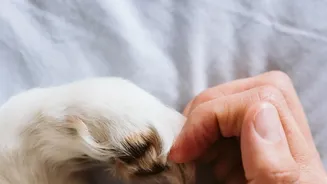
You know your pet best, but the signs of dental pain can be subtle. The most obvious clue is persistent bad breath, or halitosis, which is caused by an overgrowth of bacteria. Other warning signs to watch for include red, swollen, or bleeding gums; yellow-brown tartar on the teeth; and changes in eating habits. You might notice your pet drooling more than usual, dropping food from their mouth, chewing on only one side, or showing a new reluctance to eat hard kibble or play with their favourite chew toys. Pawing at the face or mouth is another clear sign of discomfort. If you notice any of these behaviours, it’s a signal that a closer look inside their mouth—and a chat with your vet—is needed.
More Than Just a Toothache
The consequences of poor dental hygiene go far beyond the mouth. This is what veterinarians refer to as the oral-systemic link. When gums are inflamed and infected, bacteria can enter the bloodstream every time your pet chews. From there, these bacteria can travel to vital organs. Studies have shown a clear association between advanced periodontal disease and an increased risk of heart, kidney, and liver disease. In essence, the chronic inflammation puts a constant strain on the pet's entire body. Taking care of your pet's teeth isn't just about preventing tooth loss; it's a fundamental part of protecting their overall long-term health and quality of life.
Building an At-Home Care Routine
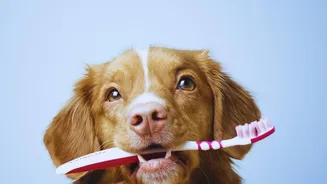
The gold standard for preventing dental disease is daily brushing. It may sound daunting, but consistency is key. Start slowly by letting your pet lick a pet-specific enzymatic toothpaste from your finger—never use human toothpaste, as it can be toxic to animals. Gradually introduce a soft-bristled toothbrush or a finger brush, focusing on the outer surfaces of the teeth where most plaque accumulates. If daily brushing isn't feasible, other options can help. Specially formulated dental chews, treats, and toys can mechanically scrape away plaque. There are also dental wipes, oral rinses, and water additives that can reduce bacteria. Combining these methods offers a robust defence against dental disease between professional check-ups.
The Role of Professional Cleanings
While at-home care is crucial, it can't replace the need for professional veterinary dental cleanings. This procedure is performed under general anaesthesia, which is essential for a thorough and safe cleaning, as pets cannot cooperate like humans. Anaesthesia allows the vet to perform a complete oral exam, take full-mouth X-rays to see problems below the gumline, and clean away plaque and tartar both above and below the gums—the most critical area for treating periodontal disease. After scaling the teeth, they are polished to create a smooth surface that makes it harder for new plaque to stick. Your vet will determine how often your pet needs a professional cleaning based on their age, breed, and overall oral health.