




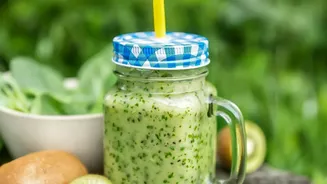

The Allure of the Liquid Lunch
In a fast-paced world, the appeal of a smoothie is undeniable. It's a quick, convenient, and seemingly foolproof way to pack fruits and vegetables into your diet. For many, it feels like a virtuous choice—a colourful glass of wellness that can be prepared
in minutes and consumed on the go. This perception has cemented the smoothie's status as a go-to meal replacement for breakfast, lunch, or even a post-workout recovery boost. However, while a smoothie can be a fantastic part of a healthy diet, assuming any blend is nutritionally equivalent to a structured meal is a common misconception that can leave you feeling hungry and missing out on key nutrients.
The Protein and Fat Deficit
A satisfying meal provides a balanced mix of macronutrients: protein, fats, and carbohydrates. Many homemade smoothies, especially those that are fruit-dominant, fall short in two critical areas: protein and healthy fats. Protein is essential for satiety, helping you feel full and satisfied. A meal replacement should ideally contain between 15 and 30 grams of protein, but a simple fruit-and-juice blend often has very little. Likewise, healthy fats—found in foods like avocados, nuts, and seeds—are crucial for hormone function and the absorption of fat-soluble vitamins. Without these components, your smoothie is mostly a source of quickly absorbed carbohydrates, which can lead to an energy spike followed by a crash and returning hunger pangs not long after you've finished your drink.
The Satiety Gap: Liquid vs. Solid
Your body processes liquids and solids differently. Chewing your food is the first step in digestion and an important signal to your brain that you are eating, which contributes to feelings of fullness. Liquid calories, however, bypass this step. They tend to empty from the stomach more quickly than solid food, leading to faster nutrient absorption but reduced satiety. Studies have shown that even when calories are equal, liquid meals are often less filling than solid ones. This can lead to what's known as 'incomplete compensation', where you don't naturally reduce your food intake at the next meal to make up for the liquid calories consumed, potentially increasing your total daily calorie intake.
The Fiber Question
While blending whole fruits and vegetables is far superior to juicing because it retains the fiber, the process does change the fiber's structure. Whole foods contain a complex 'food matrix' of soluble and insoluble fiber that your digestive system breaks down slowly. This process aids digestion, regulates blood sugar release, and feeds your gut microbiome. Blending essentially pre-digests your food, breaking down some of the tough cellular walls of plants. While you still get the fiber, its effect on slowing digestion and promoting fullness might be slightly diminished compared to eating the same ingredients whole. Many commercial meal replacement shakes, in particular, may lack sufficient fiber or use isolated fiber additives that don't offer the same benefits as the fiber naturally present in whole foods.
How to Build a Better, More Balanced Smoothie
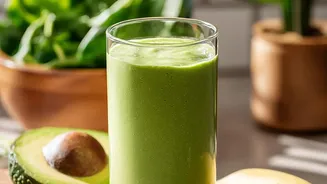
The good news is that you don't have to give up your smoothie habit. You just need to build it more thoughtfully to ensure it can function as a proper meal. A truly balanced smoothie should include a source of protein, healthy fats, and fiber. For protein, consider adding Greek yogurt, milk, or a high-quality protein powder. For healthy fats, a quarter of an avocado, a tablespoon of nut butter, or a sprinkle of chia or flax seeds are excellent choices. Ensure you are including vegetables like spinach or kale for added nutrients and fiber without excess sugar. By consciously adding these components, you can create a blend that offers more sustained energy and keeps you feeling full for longer, making it a much more viable replacement for a traditional meal.