

The Spectacle of Jemaa el-Fnaa, Marrakech
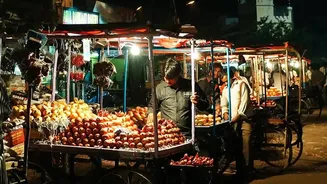
This is the sprawling, beating heart of Marrakech, a whirlwind of storytellers, musicians, and food stalls. However, its fame is a double-edged sword. The 'trap' here involves aggressive tactics from some performers and vendors. Snake charmers and men
with monkeys may place an animal on you for a photo and then demand a high fee. Henna artists are known to grab your hand, draw a quick design, and then insist on an inflated payment. To enjoy the square's energy without the stress, the best strategy is to become an observer. Find a seat at one of the many rooftop cafes that ring the square. From there, you can sip mint tea and watch the spectacle unfold from a comfortable distance. When walking through the crowds, keep your hands to yourself and offer a firm but polite 'no thank you' to any unsolicited offers. If you want a photo or henna, always agree on the price beforehand.
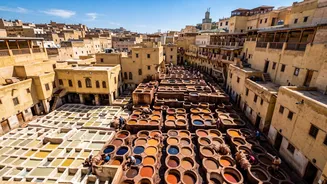
The Tanneries of Fes
The ancient leather tanneries, particularly the Chouara Tannery in Fes, are an iconic image of Morocco. The sight of men working in giant, colourful stone vats is fascinating. The trap isn't the site itself, but the journey to see it. The surrounding medina is a maze where unofficial 'guides' will tell you you're lost and offer to lead you to the 'best view'. This usually ends on the terrace of a specific leather shop, where you'll face a high-pressure sales pitch after the viewing. The smell, from the ammonia used to treat hides, can also be overwhelming. To navigate this, consider hiring an official, licensed guide for your tour of the Fes medina. If you go alone, politely decline any street offers of help and follow your map to a reputable leather shop known for good views, such as those recommended in guidebooks. Be prepared for the intense odour—many shops will offer you a sprig of mint to help. Feel no obligation to buy anything; a small tip for using the terrace is acceptable if you don't make a purchase.
The Blue Streets of Chefchaouen
Nestled in the Rif Mountains, the 'Blue Pearl' of Morocco is undeniably beautiful. Its labyrinthine streets, washed in every shade of blue, are a photographer's dream. The trap? Its Instagram fame has turned it into a magnet for tourists, which can make the narrow lanes feel incredibly crowded. During peak hours, the most picturesque spots can have queues of people waiting to take the same photo, which can detract from the town's charm. To experience the magic, timing is everything. Wake up early and wander the streets before 9 a.m. You’ll have the town almost to yourself, with soft morning light and a peaceful atmosphere. The crowds tend to swell with day-trippers from midday. Late evening is another excellent time for a stroll, as the alleys empty out again. Staying overnight is highly recommended to experience these quieter moments and appreciate Chefchaouen as a living town, not just a photo backdrop.
The Majorelle Garden in Marrakech
This stunning botanical garden, famously restored by designer Yves Saint Laurent, is a tranquil oasis of cacti, bamboo groves, and vibrant Majorelle Blue architecture. It's one of the most visited sites in Morocco, and that popularity is its main challenge. The 'trap' is the queue. On any given day, the line to purchase tickets can snake down the street, with wait times exceeding an hour, often under the hot sun. Once inside, the garden can still feel crowded, making it difficult to find the serenity you might be seeking. The solution is simple: book your tickets online in advance. The official website allows you to choose a specific time slot, letting you bypass the long entry queue entirely. For the best experience, book the earliest slot of the day, right at opening time. This allows you to enjoy the garden's beauty and quiet atmosphere before the tour buses arrive.
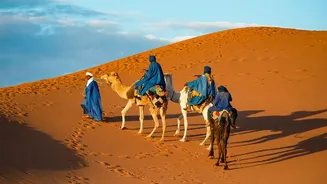
Budget Sahara Desert Tours
The dream of sleeping under the stars in the Sahara is a major draw for many visitors. Numerous companies in Marrakech offer seemingly bargain-priced three-day tours. The trap here is one of logistics and expectations. These budget tours often involve extremely long hours of driving—sometimes up to 10 hours a day—in a cramped minibus. This leaves you with very little time to actually enjoy the desert itself. The 'desert camp' might be a large, basic setup not far from a road, rather than the isolated oasis pictured in brochures. To avoid disappointment, do thorough research. Read recent, detailed reviews of tour operators, not just the star rating. Understand the itinerary and the total driving time. Often, it's worth investing more in a tour with a smaller group or a private tour, which can offer a more comfortable pace and a more authentic desert experience.