


The First Step: Know Your Space
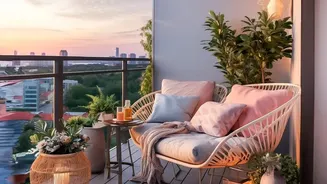
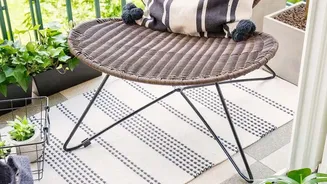
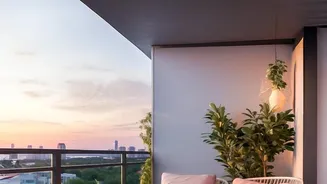
Before you even go to a nursery, the most crucial step is to observe your balcony. Many gardeners fail not from lack of care, but from choosing a plant that was never suited for their home. For a few days, track the sunlight. Does your balcony get more
than five hours of harsh, direct sun? Or is it mostly shaded, receiving gentle, filtered light? Notice the wind, too. High-rise balconies often experience strong gusts that can dry out and damage plants. Understanding your unique microclimate—sun, shade, wind, and rain exposure—is the foundation of success. Once you know what your space offers, you can head to the nursery armed with knowledge, ready to find the perfect plant match.
Decoding Sun Requirements
A plant label's sun icon is your most important guide. It usually comes in three main varieties. 'Full sun' means the plant needs at least six hours of direct, unfiltered sunlight each day to thrive. These are perfect for south- or west-facing balconies. 'Partial sun' or 'partial shade' indicates a need for about three to six hours of sun, preferably the less intense morning light. 'Full shade' doesn't mean no light; it means the plant prefers less than three hours of direct sun and thrives in bright, indirect light. Placing a shade-loving fern in the harsh afternoon sun is a common mistake that leads to scorched leaves.
Mature Size: Will It Actually Fit?
That tiny sapling looks perfect in its pot, but the plant label will tell you its future. Look for 'Mature Size', 'Height', and 'Spread'. This tells you how large the plant will be when fully grown. A plant that grows to be six feet tall might not be suitable for a small, enclosed balcony, while a 'trailing' or 'mounding' plant could be perfect for a hanging basket. Ignoring the mature size leads to overcrowding, which hampers growth because plants compete for light, water, and root space in the pot. Always give your plants the room they are destined to need.
Watering: More Isn't Always Better
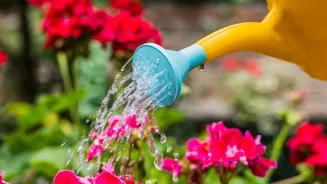
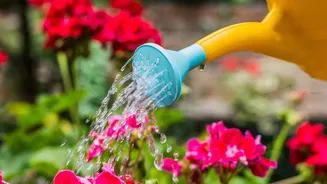
Overwatering is one of the quickest ways to kill a container plant. The plant tag offers crucial clues to a plant's water needs, often shown with raindrop icons or simple text like 'keep soil moist' or 'allow to dry between waterings'. Container plants dry out faster than those in the ground, especially on hot, windy balconies. However, good drainage is equally important. If your pot doesn't have a drainage hole, excess water will pool at the bottom, leading to root rot. The label's guidance, combined with checking the soil's top inch for dryness, is a far better strategy than watering on a rigid schedule.
Bloom Time and Lifespan
If you want a balcony full of colour, check the 'Bloom Time' on the label. This tells you which season the plant will flower. By choosing plants with staggered bloom times, you can have something flowering throughout the year. The label also often specifies if a plant is an 'annual' (lives for one growing season), 'perennial' (comes back year after year), or 'biennial' (lives for two years). Mixing perennials with seasonal annuals is a great strategy for a garden that looks vibrant all year round.
Soil and Fertiliser Needs
Plants in containers rely entirely on you for nutrients. While some basic labels might not go into detail, many will specify soil and feeding requirements. A critical mistake for balcony gardeners is using heavy garden soil instead of a lighter 'potting mix'. Potting mix is specifically designed for containers to allow for better drainage and aeration. The label may also suggest a type of fertiliser or feeding schedule. Without replenishing these nutrients, your plants will eventually exhaust the soil in their pots and struggle to grow.