





The All-Important Fibre Factor
The headline claim is entirely true: the skin is where a huge portion of a pear's fibre is located. A single medium-sized pear with its skin on contains about 6 grams of fibre, which is over 20% of the daily recommended intake for adults. If you peel
that skin away, you can lose up to half of that valuable fibre content. Pears contain both soluble and insoluble fibre, each playing a crucial role in our health. Soluble fibre dissolves in water to form a gel-like substance that helps lower cholesterol and stabilise blood sugar levels. Insoluble fibre, on the other hand, adds bulk to stool, aiding digestion and promoting regularity.
More Than Just Fibre
While the fibre is a major draw, the nutritional benefits of the pear peel don't stop there. The skin is a concentrated source of essential vitamins and minerals. It contains significantly more Vitamin C and Vitamin A compared to the flesh. Vitamin C is a powerful antioxidant that supports your immune system and skin health, while Vitamin A is vital for vision and cellular function. By eating the whole fruit, you ensure you are getting a much more potent dose of these micronutrients that are essential for everything from energy production to wound healing.
An Antioxidant Powerhouse
Perhaps the most compelling reason to eat the skin is its incredible concentration of antioxidants. The peel of a pear can contain up to six times more of these disease-fighting compounds, known as polyphenols, than the flesh. These include flavonoids like quercetin, which has anti-inflammatory properties and is linked to improved heart health by helping to reduce blood pressure and bad cholesterol. Studies have shown that the chemical compounds in pear peel are far more potent than those in the flesh, making the skin an excellent source of natural antioxidants that protect your body from oxidative stress and chronic inflammation.
What About Pesticides?
The most common reason people give for peeling fruits is the fear of pesticide residue. This is a valid concern, but one that can be easily managed. Pears are generally considered to have low levels of pesticide residue. However, to be safe, a thorough wash is all you need. The best way to clean your Nashpati is to rinse it under cool running water while gently rubbing the surface with your hands. Avoid using soaps or detergents. For an extra measure of cleanliness, you can use a soft-bristled vegetable brush. If you are still concerned, choosing organic pears can provide additional peace of mind.
Getting the Most from Your Pear
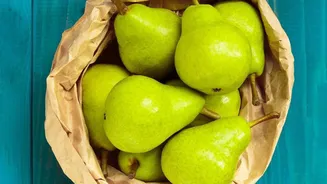
To fully enjoy an unpeeled pear, start by selecting a good one. Check for ripeness by gently pressing the 'neck' of the pear near the stem; if it yields to pressure, it's ready to eat. Store unripe pears at room temperature, and once they're ripe, you can move them to the refrigerator to slow down further ripening. Beyond being a perfect handheld snack, you can add slices of unpeeled pear to salads for a sweet crunch, blend them into smoothies for a fibre boost, or even bake them with a sprinkle of cinnamon for a healthy dessert. The slightly more robust texture of the skin adds a pleasant dimension to many dishes.