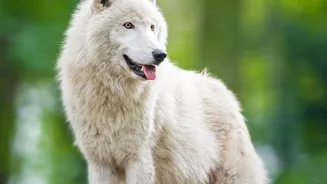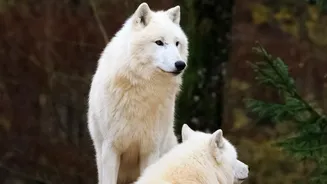





The Return of an Apex Predator
Not long ago, seeing a wolf in the wild was something most Europeans could only read about. Hunted and driven from their habitats, wolves were pushed to the continent's fringes. But thanks to decades of conservation efforts and legal protections like
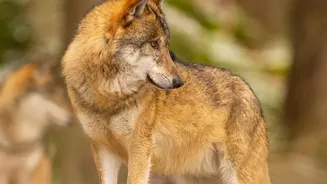
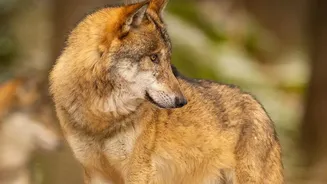
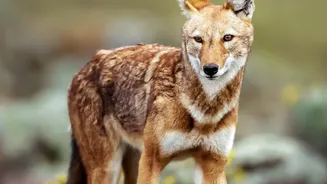
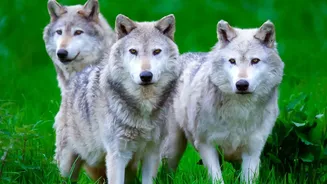
the EU Habitats Directive, they are making a stunning comeback. Recent estimates suggest the wolf population has surged to over 21,500 individuals across the continent, an increase of nearly 60% in a single decade. Wolves are now found in nearly every mainland European country, with nations like Italy, Spain, and Romania each hosting more than a thousand. This revival is a rare triumph for a large predator in a densely populated, human-dominated landscape, proving that coexistence is possible.
From Threat to Tourist Attraction
The wolf’s return is rewriting more than just ecological textbooks; it’s changing local economies. In many rural areas, an animal once seen as a pest is now becoming a prized asset. A new form of ecotourism, centered on tracking and observing these elusive animals, is taking root. This shift is creating a “wildlife dividend,” where the presence of wolves generates tangible economic value for the communities that live alongside them. This isn't mass tourism, but small-scale, high-value travel that directs money to local guides, family-run guesthouses, and restaurants, particularly during the off-seasons. For example, one early study in Spain's Sierra de la Culebra found that wolf-related tourism was contributing hundreds of thousands of euros to the local economy annually.
Europe's Wolf-Watching Hotspots
So, where can you experience this wildlife renaissance? Several regions have become known as premier destinations. In Italy, the Abruzzo region and its Apennine Mountains offer one of Europe’s most established wolf-watching scenes, set in a stunning landscape of forests and peaks. Spain is another hotspot, with areas like the Riaño Mountains and the Sierra de la Culebra offering guided trips to spot the Iberian wolf. Tour operators there have been leading excursions for over a decade. Further east, travelers can track wolves in the primeval Białowieża Forest in Poland or the vast Carpathian Mountains of Romania. Even Portugal’s Côa Valley offers chances to see the threatened local wolf species. These trips are often run by conservation-minded operators who pour profits back into wildlife protection.
More Than Just a Sighting
A wolf-watching trip is rarely about a guaranteed sighting. The animals are shy and elusive, which makes any glimpse a profound experience. The real journey is about immersion in the wolf’s world. Tours typically involve rising at dawn for excursions with expert guides, learning to identify tracks and other signs, and using spotting scopes to scan distant hillsides without disturbing the animals. It's a quiet, patient form of travel focused on understanding the entire ecosystem. Responsible operators emphasize small group sizes and 'leave no trace' principles, ensuring that tourism supports, rather than hinders, conservation. The best tours avoid any practices that would habituate wolves to humans, such as baiting or using recorded howls.
A Path Toward Coexistence
The story of the wolf’s return isn’t without its complexities. Tensions with livestock farmers are a real and significant challenge, with compensation for losses costing European countries millions annually. However, wolf tourism offers a powerful counter-narrative by creating an economic incentive for conservation. When local communities benefit directly from the presence of wolves, it helps build support for their protection and foster a culture of coexistence. The revenue generated can even be used to fund projects that help farmers better protect their livestock. This model, where wildlife becomes an engine for sustainable rural development, offers a hopeful path forward for people and predators alike.