



Light: Sun-Seekers and Shade-Dwellers
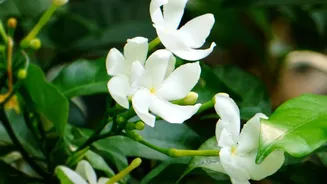
One of the biggest differences between these three plants is their appetite for sunlight. Jasmine, especially varieties like Mogra (Jasminum sambac), is a sun worshipper. It needs at least four to six hours of bright, direct sunlight daily to produce
its famously fragrant flowers. An east-facing balcony where it can soak up the gentle morning sun is ideal. In contrast, the Money Plant (Epipremnum aureum) prefers bright, but indirect, light. Too much direct sun can scorch its heart-shaped leaves, causing them to yellow and burn. It's quite tolerant and can even survive in lower light conditions, making it perfect for living rooms or spaces away from a window. Aloe Vera strikes a middle ground. It loves bright, indirect sunlight for at least six hours a day. A south-facing window is a good spot, but harsh, direct afternoon sun can cause its leaves to turn brown. It is more light-hungry than a Money Plant but less so than a Jasmine.
Watering: A Tale of Thirst and Tolerance
How you water these plants could be the key to their survival. Aloe Vera is a succulent, meaning it stores water in its fleshy leaves and is extremely drought-tolerant. The golden rule for Aloe is to let the soil dry out completely between waterings. Overwatering is its biggest enemy and can quickly lead to root rot. Depending on the climate, this might mean watering only once every two to three weeks. The Money Plant enjoys more consistent moisture but also hates being waterlogged. You should water it when the top inch of soil feels dry, which is typically every 7 to 10 days. Yellowing leaves are often a tell-tale sign of overwatering. Jasmine, especially during its growing and flowering season, is the thirstiest of the three. It prefers its soil to be kept lightly moist but never soggy. You'll need to check it more frequently, ensuring it gets enough water to support its blooms without letting the roots sit in water.
Soil and Potting: The Right Foundation
The right home starts with the right soil. All three plants require well-draining soil to prevent water from pooling around their roots. However, the composition varies. Aloe Vera, being a desert native, thrives in a gritty, sandy soil mix, much like one formulated for cacti and succulents. This ensures water drains away quickly. The Money Plant is happy in a standard, well-draining potting mix, often peat-based, which retains some moisture without becoming compacted. Jasmine requires a richer diet. It prefers a fertile, well-draining soil that has been enriched with organic matter or compost to fuel its flowering. This provides the nutrients it needs to produce a constant supply of blossoms.
Feeding: To Fertilise or Not to Fertilise
Fertilising needs also diverge significantly. The hardy Aloe Vera requires very little feeding. It is adapted to nutrient-poor desert soils, and fertilising sparingly just once a year with a balanced formula is plenty. The Money Plant benefits from more regular feeding during its growing season in spring and summer. A balanced, water-soluble fertiliser applied every four to six weeks will keep its foliage lush and vibrant. Jasmine, the heavy bloomer, is also a heavy feeder. To support its prolific flowering, it should be fed regularly throughout its growing season. A fertiliser rich in phosphorus can help encourage more blooms. Without this consistent nutrient supply, you may find your Jasmine plant producing more leaves than flowers.
General Temperament and Use
Beyond basic care, these plants serve different purposes in the home. The Money Plant is a low-maintenance, air-purifying vine that is incredibly easy to propagate from cuttings in just a glass of water. It's known for its forgiving nature, making it ideal for beginners. Aloe Vera is prized for the medicinal gel in its leaves, which can be used to soothe skin irritations and burns, making it a useful plant to keep in the kitchen. It’s also an easy-care succulent, but less tolerant of over-fussing. Jasmine is grown primarily for the intense, beautiful fragrance of its flowers, which often bloom at night. It requires more attention in terms of sunlight and feeding to perform its best, making it a more rewarding, though slightly more demanding, choice for the dedicated gardener.