





From Niche to Mainstream
For years, protein powder was synonymous with serious athletes and bodybuilders, sold in large tubs and mixed into post-workout shakes. That image is rapidly changing. Today, protein is being adopted by a much wider audience, including busy working professionals,
families, and health-conscious individuals who may never have stepped into a weight room. This evolution is part of a larger trend towards functional foods—products designed to offer health benefits beyond basic nutrition. The Indian functional food market is booming, with projections showing it will grow significantly by 2030, driven by rising health awareness and incomes.
The New Protein Consumer
The new protein consumer isn't necessarily trying to build massive muscle. Instead, they are looking for convenience, wellness, and ways to fill nutritional gaps in their daily diets. Many Indians are deficient in protein, with some studies suggesting nearly 70% of the population doesn't meet the recommended daily intake. As awareness of this gap grows, people are seeking simple solutions. The target demographic has expanded to include women, older adults concerned with muscle loss, and parents looking for healthier options for their children. The appeal lies in integrating better nutrition into existing routines without a complete lifestyle overhaul.
Beyond the Shaker Bottle
In response to this broadening demand, companies are embedding protein into a vast array of everyday products. Major players like ITC, Amul, and Britannia are launching items like protein-fortified atta, biscuits, snacks, and beverages. This strategy makes protein consumption more accessible and less intimidating than traditional supplements. While protein powders still dominate a large part of the market, the growth is now in ready-to-drink shakes, protein bars, and fortified grocery staples. This innovation allows brands to fit protein into every meal occasion, from breakfast to a mid-day snack.
What’s Driving the Protein Boom?
Several factors are fuelling this trend. A growing middle class with higher disposable income is one key driver. Increased health consciousness, partly accelerated by the pandemic, has made consumers more proactive about their nutrition and immunity. Furthermore, marketing has successfully repositioned protein as a tool for overall wellness, helping with satiety, weight management, and sustained energy. For many, a 'high-protein' label has become a simple shorthand for a healthier choice, even if the nutritional benefits are sometimes overstated.
A Balanced Perspective
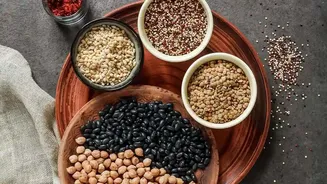
While increased protein intake can be beneficial, experts caution consumers to look beyond the marketing claims. Many products advertising high protein can also be high in sugar, sodium, or processed ingredients. The conversation is shifting towards not just the quantity but also the quality of protein. There is also a growing need for consumer education, as many people remain unsure about how much protein they actually need. Traditional Indian foods like dals, paneer, soya, and legumes remain excellent and affordable sources of protein. A balanced diet combining these whole foods is often sufficient to meet daily requirements.