



What Exactly Is Colour-Blocking?
At its heart, colour-blocking is the art of pairing distinct, solid blocks of colour against one another. Instead of blending or using intricate patterns, this technique relies on clean lines and defined shapes to make a statement. Think of it as using colour itself
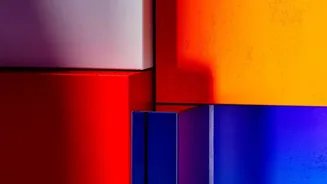
to build structure in a room. The concept borrows heavily from modern art movements, like the work of Piet Mondrian, where simple, saturated colours arranged with clear intention create a powerful visual impact. It’s a method that can make a room feel organised and rhythmic, guiding the eye through the space with purpose. While it can be applied to furniture and textiles, using it on walls creates a dynamic, art-like feature that redefines a room’s architecture.
Why This Trend Has Staying Power
Colour-blocking is more than just a fleeting trend; it’s a versatile tool for solving common design challenges. One of its main strengths is the ability to create a focal point without cluttering a room with objects. A well-placed geometric shape can highlight an architectural feature, like a nook or archway, or even create the illusion of one. It’s also an effective way to zone an open-plan space, visually separating a work area from a lounge or a dining space from a kitchen. For rooms with high ceilings, a horizontal colour block can make the space feel more intimate, while vertical shapes can make a small room feel taller. Ultimately, it's a budget-friendly way to inject bespoke personality into your home, offering endless creative possibilities.
Getting Started: Planning Your Design
The key to successful colour-blocking is a little bit of planning. First, choose your palette. A good rule of thumb is to stick to two or three colours plus a neutral to avoid a busy look. Use a colour wheel to find combinations that work—opposite colours like blue and orange create high-impact contrast, while adjacent colours offer a more harmonious feel. Next, decide on your design. Geometric shapes like arches, circles, and sharp-angled triangles are particularly popular. Before you pick up a brush, sketch your idea on paper or use painter's tape on the wall to visualise the proportions and placement. This step helps ensure your final design feels balanced and intentional.
Mastering the Technique
Achieving a professional-looking finish is easier than it seems, and it all comes down to preparation and precision. Start by ensuring your wall is clean and smooth, filling any cracks or holes. The most crucial tool for crisp, clean lines is high-quality painter's tape. Once you've marked your design, apply the tape firmly along the edges to prevent paint from bleeding underneath. When painting, use a brush to 'cut in' along the tape line before filling the larger area with a roller. For the cleanest result, remove the painter's tape while the final coat of paint is still slightly wet, pulling it back on itself at a sharp angle. Work on one colour section at a time, allowing it to dry completely before taping over it to start the next colour.
Beyond the Basic Block
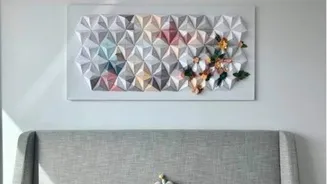
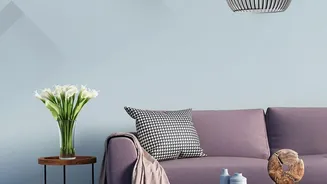
While painting directly on the wall is the most common method, it’s not the only way to embrace this trend. If you’re hesitant to commit to paint, consider large-scale abstract art prints that feature bold, geometric colour fields. These can be arranged to create a gallery wall that mimics a colour-blocked effect. Another option is to use wallpaper. You can mix and match different patterns or solid colours to achieve a similar look. Don’t forget about furniture and textiles. A brightly coloured sofa, a set of contrasting throw pillows, or a vibrant area rug can all serve as colour blocks that anchor a room and tie your decor together, especially when placed against a painted feature wall.