



The Dream of Flight Made Real
Unlike more extreme sports, tandem paragliding requires no prior experience. Strapped securely to a certified professional pilot, you become a passenger on an unforgettable journey. After a short briefing and a few running steps on a gentle mountain slope,
the canopy catches the air, and you are lifted off the ground. The experience is often described as surprisingly serene rather than terrifying. You sit in a comfortable harness as your pilot navigates the air currents, leaving you free to absorb the breathtaking 360-degree views of jagged peaks, crystalline lakes, and tiny villages nestled far below.
Iconic Backdrops for Your Adventure
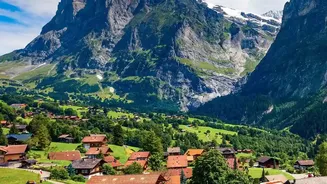
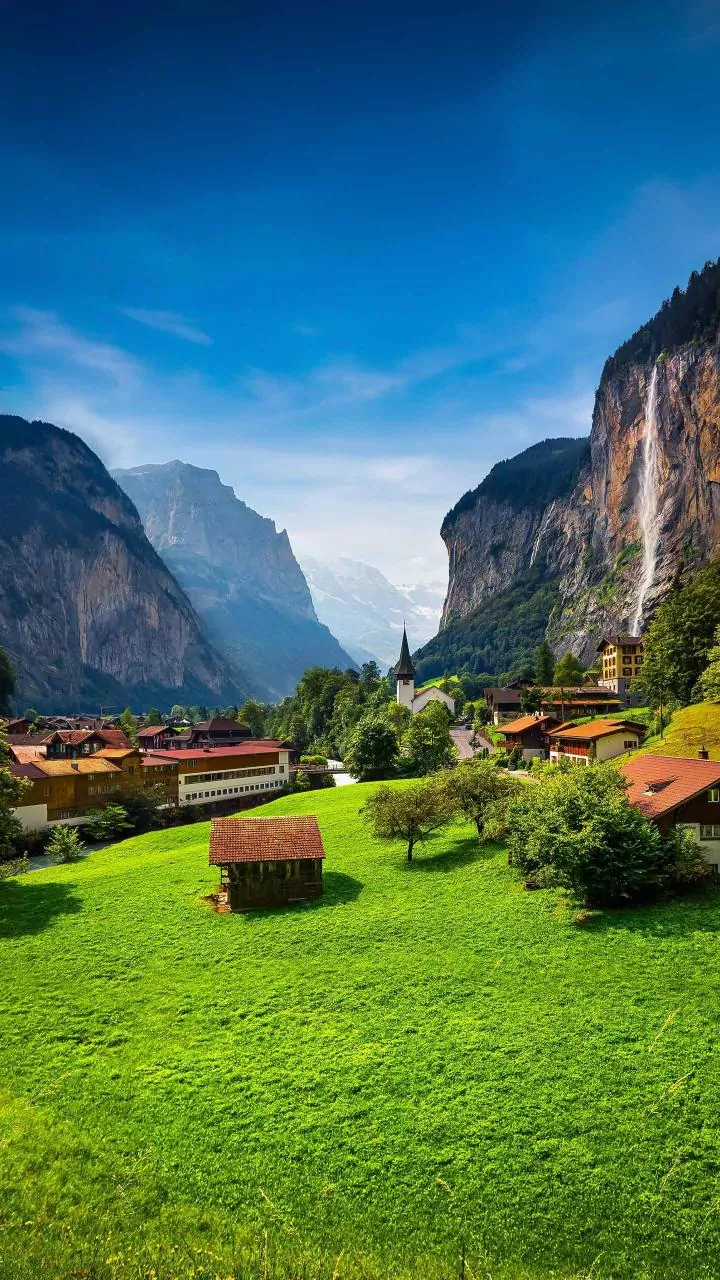
Switzerland offers a wealth of world-class paragliding locations. Interlaken is arguably the most famous hub, known for its reliable conditions and spectacular views of Lake Thun, Lake Brienz, and the iconic Eiger, Mönch, and Jungfrau mountains. Flights here often launch from Beatenberg and conclude with a gentle landing in a park in the center of town. Zermatt provides the unparalleled experience of flying with the majestic Matterhorn in the background. Other dramatic spots include the Lauterbrunnen Valley, where you can glide past 72 waterfalls and sheer cliffs, and the areas around Lucerne and Geneva, offering flights over vast lakes.
What to Expect on a Tandem Flight
A typical tandem flight experience is a well-organised affair lasting about 90 minutes from start to finish. This includes pickup, a shuttle ride up to the launch site, a safety briefing, and the flight itself, which usually lasts between 10 and 20 minutes. Reputable companies provide all necessary equipment, including a helmet and sometimes a flight suit. You should wear comfortable, weather-appropriate clothing and sturdy shoes. Tandem pilots are highly experienced, with many holding a license from the Swiss Hang Gliding Association (SHV), ensuring strict safety standards are met. The cost for a standard flight generally ranges from around 180 to 250 Swiss Francs, with photos and videos available for an additional fee.
The Crucial Role of Weather
The phrase 'under suitable weather' is the most important part of any paragliding plan. Safety is the absolute priority, and flights will not happen in unsafe conditions. Ideal paragliding weather consists of light, stable winds (generally under 35 km/h), good visibility, and no precipitation or risk of thunderstorms. Pilots are experts at reading local weather patterns, including thermal updrafts (rising columns of warm air that help the glider maintain or gain altitude) and valley winds, which can be complex and gusty. Clouds can also be indicators; fluffy cumulus clouds often signal good lift, while dark, ominous formations like cumulonimbus are a clear sign to stay on the ground. If conditions are not right, your flight will be postponed or cancelled. This caution is what makes the sport so safe.
Planning Your Alpine Flight
The peak season for paragliding in the Alps is generally from late spring through autumn, with summer offering the strongest thermal conditions for longer flights. Winter flights are also possible and offer a unique perspective over a snow-covered wonderland. It is highly recommended to book your flight in advance, especially during the busy months of July and August, as popular locations like Interlaken and Zermatt can be fully booked. When choosing a provider, look for companies with a long history of safe operations and certified pilots. While the thrill of flight is the main attraction, the strict adherence to safety protocols and weather assessment ensures that your mountain adventure is memorable for all the right reasons.