






A Faster Path to the Holy City
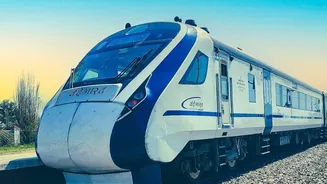
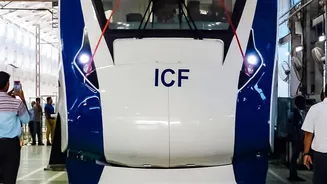
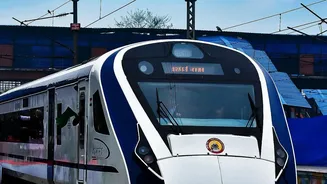
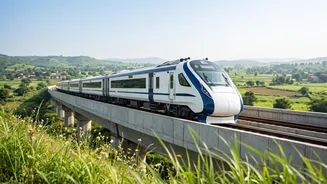
The key to this improved journey is the Vande Bharat Express, a semi-high-speed train that connects New Delhi to Varanasi Junction. This service cuts the travel time to just eight hours, a significant reduction compared to the 12 to 17 hours many other
express trains take. The train (22436) departs from New Delhi at 6:00 AM and arrives in Varanasi at 2:00 PM, allowing travellers to reach the holy city with enough time to settle in before the evening Ganga Aarti. The return journey (22435) leaves Varanasi in the afternoon, providing a convenient schedule for those completing their pilgrimage. Onboard, passengers can expect modern amenities designed for comfort, including reclining seats, large windows for observation, Wi-Fi for connectivity, and GPS-based information systems. With just two stops at Kanpur and Prayagraj, the journey is swift and efficient.
Delhi to Varanasi: The Options Compared
For travellers from the national capital, the journey to Varanasi has always involved a choice between time, cost, and convenience. Flying is the fastest option, with an air time of about 1.5 hours, but this doesn't account for travel to the airport, check-in, and security, which can add several hours to the total journey. It is often the most expensive option as well. Road travel, either by bus or car, is also possible but can take upwards of 12-14 hours and is subject to traffic and road conditions. The Vande Bharat Express positions itself as the best-balanced option. It combines the speed of air travel—when considering door-to-door time—with the comfort and convenience of rail. Unlike airports, which are often located on the outskirts of a city, railway stations in both Delhi and Varanasi are centrally located, making the first and last mile of the journey much simpler. The cost of a Vande Bharat ticket is typically competitive, often positioned between a budget airline ticket and a sleeper class train fare, providing a premium experience without the premium price tag of flying.
Designed for the Modern Pilgrim
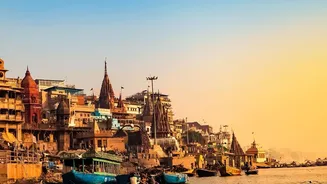
The new train service is particularly beneficial for religious tourists, who form a significant portion of the nearly 110 million visitors to Varanasi annually. Many pilgrims are senior citizens or travel with families, making comfort and ease of travel a priority. The Vande Bharat's climate-controlled coaches, clean bio-vacuum toilets, and onboard catering services provide a level of comfort that can make the spiritually significant journey less physically taxing. The convenient timings ensure that pilgrims do not lose a day in transit. The stop at Prayagraj is also a major advantage, as it allows those on a broader pilgrimage circuit, which often includes the Triveni Sangam, to seamlessly connect between two of northern India's most sacred cities. This improved connectivity helps facilitate a more holistic pilgrimage experience, reducing travel stress and allowing devotees to focus on their spiritual pursuits.
More Than Just a Train
This improved rail link is part of a larger, nationwide push to bolster infrastructure around key religious and cultural centres. Government initiatives like the PRASHAD (Pilgrimage Rejuvenation and Spiritual, Heritage Augmentation Drive) and Swadesh Darshan schemes are channelling funds into upgrading tourism infrastructure at pilgrimage sites across India. In Varanasi itself, projects like the Kashi Vishwanath Corridor have already transformed the pilgrim experience by improving accessibility and facilities. Better connectivity through upgraded road, rail, and air networks is a critical component of this strategy. These developments are not only making travel more convenient but are also having a significant economic impact, boosting local businesses, creating employment, and strengthening the economies of temple towns. The New Delhi-Varanasi Vande Bharat is a prime example of how modern infrastructure can support and enhance timeless cultural and spiritual traditions.