

The Small Plate Strategy
To truly appreciate the breadth of India’s culinary landscape, a thali is often the go-to. But assembling a full-fledged thali with its numerous components can be a daunting task. A more accessible approach is to build a meal around 'small plates'. This
concept allows you to curate a selection of appetizers and snacks from various regions, offering your guests a tapestry of flavours, textures, and aromas without the pressure of cooking a dozen different main courses. From crispy fritters to succulent kebabs, these starters are designed for sharing and sampling, creating a dynamic and interactive dining experience that celebrates variety over volume.
A Journey Across India in Appetizers
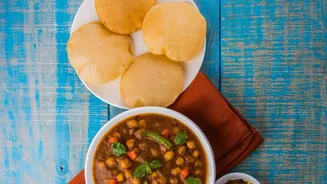
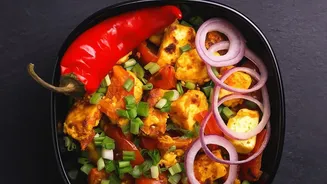
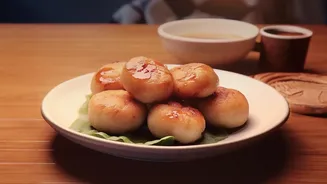
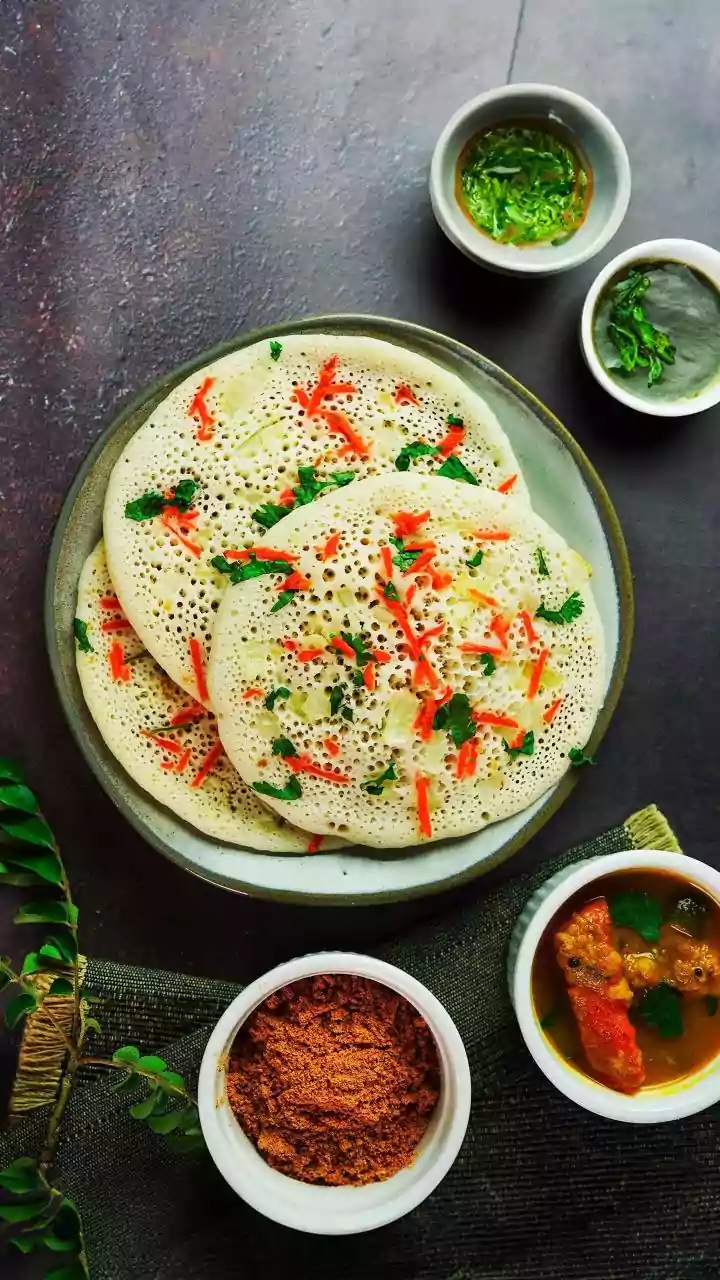
Begin your journey in the North with the smoky allure of paneer tikka or the delicate, melt-in-your-mouth galouti kebabs from Lucknow. Move westward to Gujarat for the spongy, savoury delight of dhokla, or to Maharashtra for the herbaceous crunch of kothimbir vadi (coriander fritters). Travel down South to sample the diverse world of vadas—be it the crispy lentil doughnuts of medu vada from Tamil Nadu or the potato-filled batata vada of Karnataka. Finally, head East to Bengal for macher chop (spiced fish cutlets) or ghugni, a hearty yellow pea curry often enjoyed as a snack. Each dish tells a story of its origin, shaped by local ingredients and centuries of tradition.
The Main Course: A Unifying Centrepiece
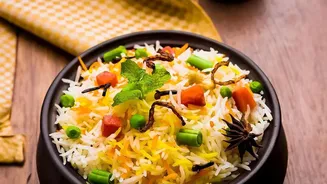
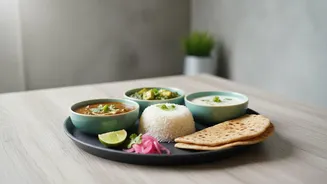
After a vibrant tour of regional starters, the main course should serve as a comforting anchor rather than an escalation of complexity. Instead of attempting multiple elaborate curries, focus on one or two universally loved dishes that can tie the meal together. A creamy dal makhani, with its North Indian roots, or a simple yet flavourful South Indian sambar can be the perfect centrepiece. These lentil-based dishes pair beautifully with steamed basmati rice and a selection of Indian breads like naan or roti, allowing the memory of the diverse small plates to linger while providing a satisfying main event.
The Sweet Unifier: A Bowl of Phirni
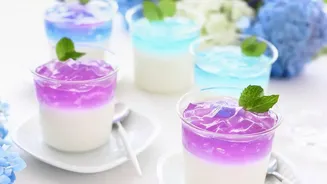
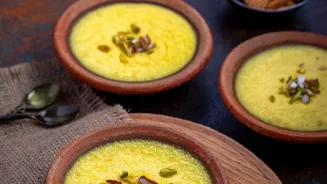
The perfect end to this pan-Indian feast is phirni, a dessert that gracefully bridges regional divides. With origins tracing back to the Mughal Empire, this creamy pudding made from ground rice, milk, and sugar has become a beloved classic across the subcontinent. Unlike its cousin kheer, which uses whole rice grains, phirni is distinguished by its smoother, more delicate texture achieved by using coarsely ground rice. It is traditionally slow-cooked, infused with aromatic cardamom and saffron, and served chilled in earthenware bowls called 'shikoras', which impart a subtle, earthy flavour. This royal dessert, often garnished with pistachios and almonds, offers a soothing, fragrant conclusion that calms the palate after a symphony of spices.