





The Invisible Assault on Your Skin
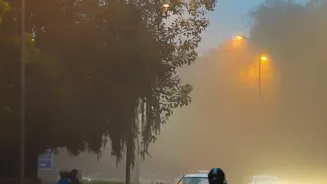
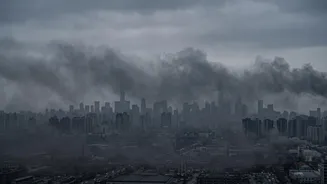
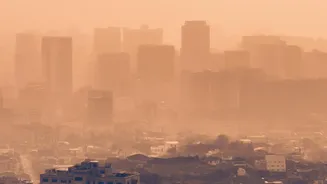
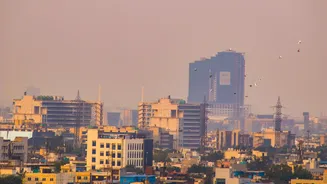
Delhi's winter air is a complex cocktail of pollutants, including fine particulate matter (PM2.5), nitrogen dioxide, and ozone. These microscopic particles are small enough to penetrate the skin's outer layers, triggering a cascade of issues. The primary
damage comes from oxidative stress, a process where pollutants generate free radicals that harm skin cells, break down collagen, and compromise the skin’s structure. This can lead to premature ageing, with studies suggesting that pollution can accelerate the appearance of wrinkles and fine lines. Other common effects include hyperpigmentation or dark spots, increased sensitivity, dryness, and a flare-up of conditions like acne and eczema.
Meet Your Skin's Guardian: The Barrier
Your skin's outermost layer is called the stratum corneum, or more commonly, the skin barrier. Think of it as a brick-and-mortar wall: the skin cells are the 'bricks' and natural fats like ceramides, cholesterol, and fatty acids are the 'mortar' holding them together. A healthy barrier performs two critical jobs: it keeps moisture locked in to maintain hydration and it keeps harmful external elements, like pollutants and bacteria, out. When smog relentlessly attacks the skin, it weakens this mortar, creating tiny cracks in the wall. This damage impairs its ability to function, leading to water loss (dehydration) and leaving the skin vulnerable to irritation and further damage.
A Fortifying Skincare Routine
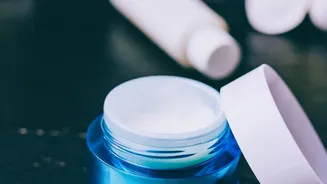
Protecting your skin during smog season isn't about complicated, 10-step routines. It's about a consistent, gentle, and strategic approach focused on cleansing, protecting, and repairing. Start with a double cleanse in the evening. First, use an oil-based cleanser or micellar water to dissolve pollutants, sunscreen, and makeup. Follow with a gentle, non-stripping foaming or cream cleanser to wash everything away without disturbing the skin's natural oils. In the morning, an antioxidant serum is your best friend. Antioxidants neutralize the free radicals generated by pollution before they can do harm. Follow with a moisturizer specifically chosen to support your barrier. Finally, the non-negotiable step: broad-spectrum sunscreen with at least SPF 30. UV radiation can amplify the damaging effects of pollution, so protection is crucial even on hazy, cloudy days.
Key Ingredients for Your Arsenal
When shopping for products, look for ingredients known to repair and reinforce the skin barrier. Ceramides are the gold standard, as they directly replenish the 'mortar' of your skin. Hyaluronic Acid is a hydration powerhouse that pulls moisture into the skin, helping to combat the dryness caused by pollution. Niacinamide, a form of Vitamin B3, is a multi-tasking hero; it not Presto: it not only helps the skin produce more of its own ceramides but also calms inflammation and redness. Other beneficial ingredients include antioxidants like Vitamin C and E, fatty acids, and glycerin, which all work to hydrate, protect, and soothe stressed skin.
Beyond the Bottle: Lifestyle Adjustments
While a targeted skincare routine is vital, certain lifestyle habits can provide extra support. Staying hydrated by drinking plenty of water helps your skin function optimally from the inside out. A diet rich in antioxidants, found in colourful fruits and vegetables, can also bolster your body's defences. When air quality is particularly severe, try to limit your time outdoors. Using an air purifier in your home can reduce indoor pollutants, giving your skin a cleaner environment in which to rest and repair overnight. Finally, be gentle with your skin. Avoid over-exfoliating with harsh scrubs or strong chemical acids, as this can further weaken an already stressed barrier.