


The Rise of India's 'First Village'
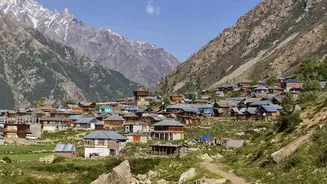
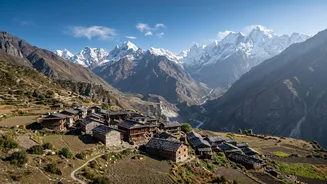
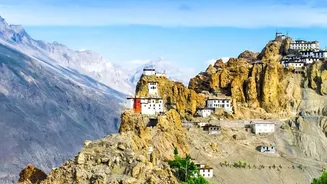
Perched at an altitude of over 3,200 meters in Uttarakhand's Chamoli district, Mana has long held a mystical appeal. Situated just a few kilometers from the sacred Badrinath shrine and the Indo-Tibetan border, it was traditionally called the 'last Indian
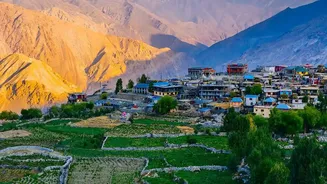
village'. However, a recent rebranding initiative has reimagined it as the 'first Indian village', a move that has significantly boosted its profile. This new identity, part of the central government's Vibrant Villages Programme, aims to develop border areas and promote tourism, turning these remote settlements into thriving destinations. Steeped in mythology, with connections to the Mahabharata, the village is a treasure trove of cultural and natural attractions like the Vyas Gufa, Bhim Pul, and the roaring Saraswati River. This renewed focus has led to a spike in tourist footfall, creating new employment opportunities for locals who are converting homes into homestays and selling traditional woollen crafts.
Beyond Mana: The Vibrant Villages Initiative
The story of Mana is not an isolated one. It's the flagship example of a broader vision for Uttarakhand's border regions. The Vibrant Villages Programme is designed to combat out-migration from these strategically important areas by creating sustainable livelihoods through tourism. The scheme focuses on comprehensive development, improving infrastructure like all-weather roads, internet connectivity, and electricity, making these once-inaccessible hamlets more welcoming to visitors. By developing tourism circuits, trekking routes, and promoting local culture, the program empowers communities to build a future in their ancestral homes. This initiative is unlocking the immense potential of villages across the state, inviting travellers to look beyond the usual hotspots and discover a more authentic side of the Himalayas.
Harsil: The Apple Orchard Paradise
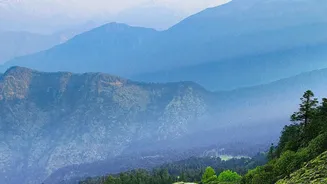
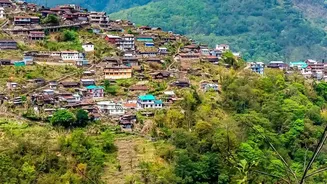
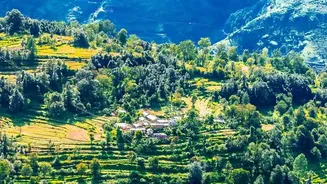
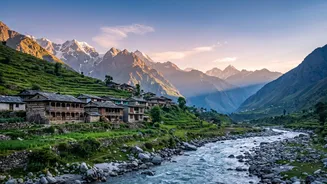
Nestled on the banks of the Bhagirathi river on the way to Gangotri, Harsil is a serene Garhwal village that feels like a world away from the crowds. Situated at an altitude of about 2,620 meters, it's famous for its stunning natural beauty, dense deodar forests, and sprawling apple orchards. Unlike Mana, its appeal lies less in mythology and more in its tranquil, picturesque landscape. Harsil serves as an excellent base for exploring nearby hamlets like Mukhba, the winter abode of the goddess Ganga, and Bagori, a village inhabited by the Bhotiya community. The best times to visit are from April to June and again from September to November, when the weather is pleasant and the views are clear. It’s an ideal destination for those seeking nature walks, riverside relaxation, and a slower pace of life.
Munsiyari: Gateway to the Panchachuli Peaks
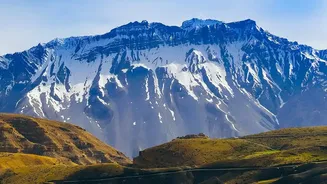
In the Kumaon region lies Munsiyari, a town that offers what are arguably the most spectacular and direct views of the five-peaked Panchachuli range. The name itself means 'a place with snow'. According to local lore, the five peaks are the five hearths (chulhas) where the Pandavas cooked their last meal before ascending to heaven. At an elevation of around 2,200 meters, Munsiyari is a haven for trekkers, photographers, and nature lovers. It's the starting point for several high-altitude treks, including the one to Khaliya Top, which provides an even more breathtaking panoramic view of the Himalayas. The town is less commercialized than other hill stations, offering a peaceful retreat with the mighty peaks visible from almost every hotel window.
Tips for Exploring Uttarakhand's Remote Villages
Travelling to these offbeat destinations requires some planning. Connectivity can be limited, so carrying sufficient cash is essential as ATMs are scarce and digital payments may not always work. Roads can be challenging, especially during the monsoon season (July-August) due to landslides, so it's best to check weather and road conditions before you travel. When visiting high-altitude villages like Mana or Munsiyari, acclimatize properly to avoid altitude sickness. Most importantly, travel responsibly. Respect local customs, ask for permission before photographing residents, avoid littering, and support the local economy by staying in homestays and buying local handicrafts. For certain areas near the border, like Niti Valley, an Inner Line Permit might be required, so it's wise to check regulations in advance.