



Beyond the Pasta Stereotype
First, let's address the pasta. In a traditional Mediterranean context, pasta is typically a side dish, not the main event. Portions are modest, often around half a cup to a cup, and it's frequently made with whole grains. The meal is built around it,
featuring a generous helping of vegetables, a lean protein, or legumes. The American-style serving of a large platter of refined pasta is not a feature of this diet. The focus is on whole grains in general, including barley, brown rice, and quinoa, which offer more fibre and nutrients.
The Real Foundation: A Rainbow of Plants
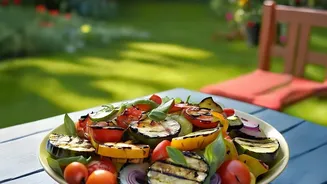
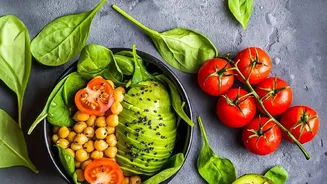
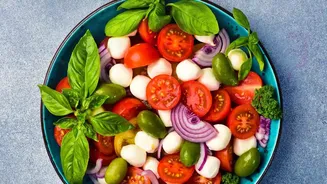
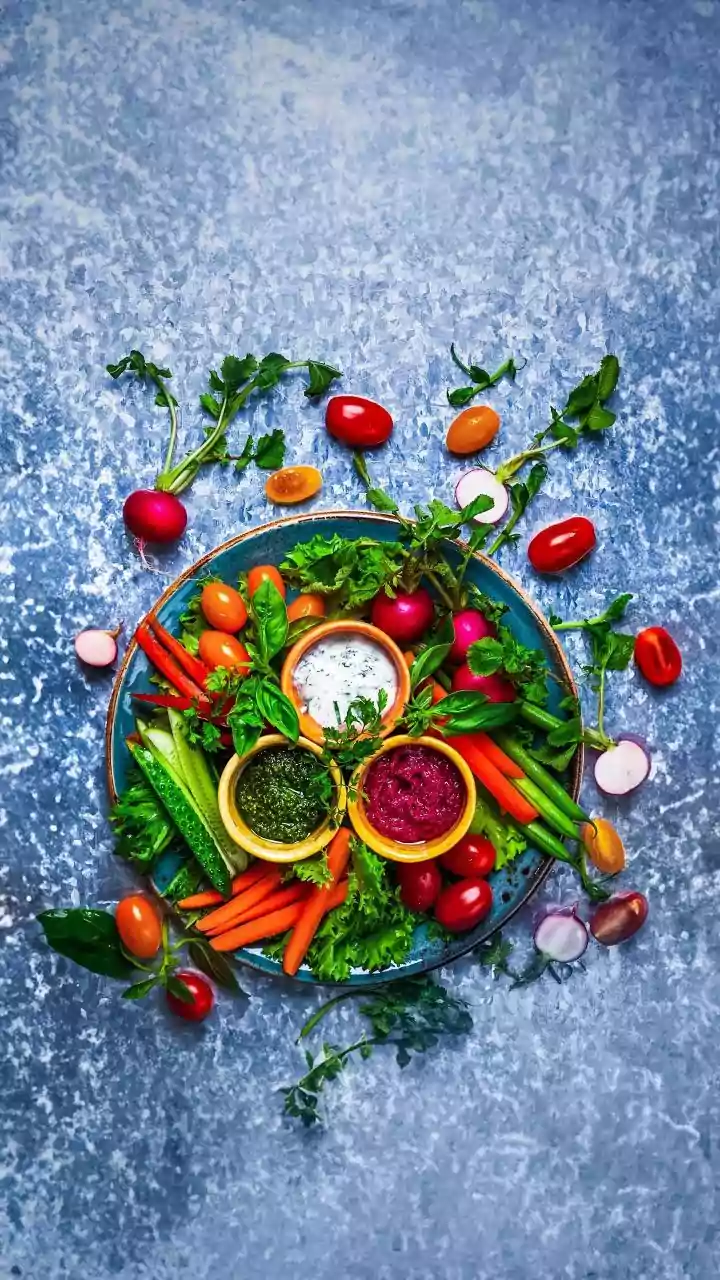
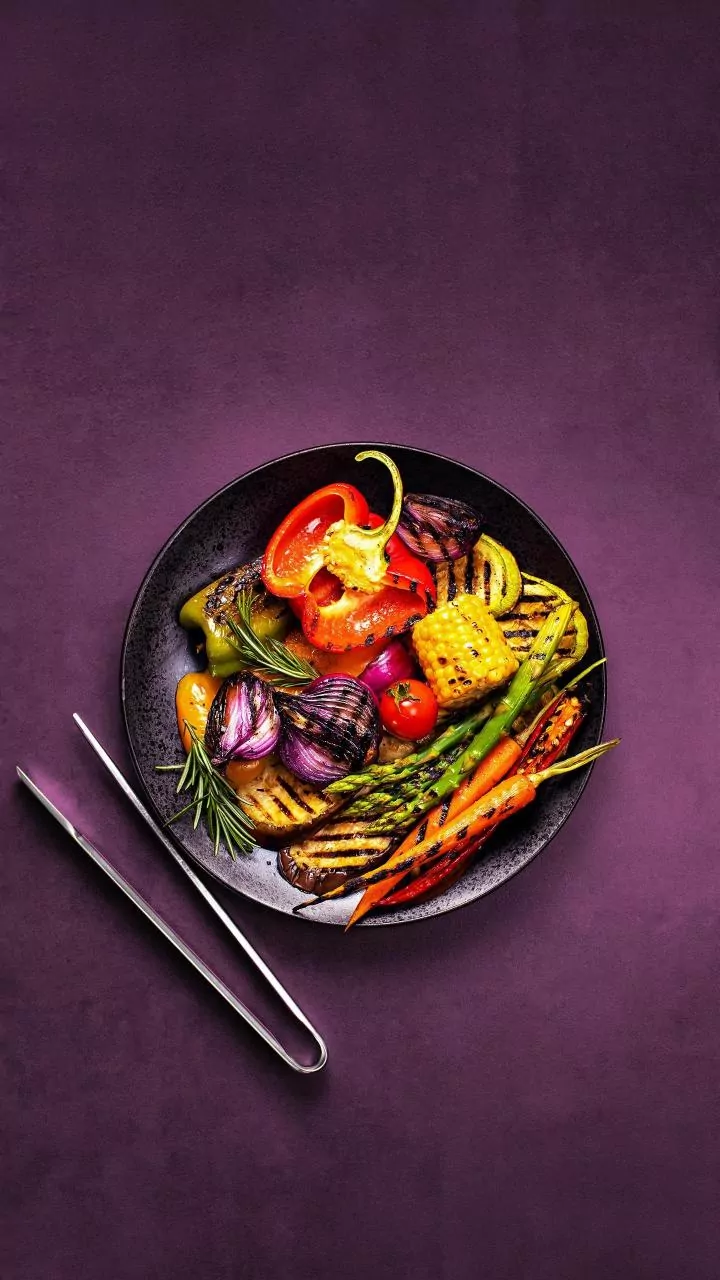
The true heart of the Mediterranean diet is an abundance of plant-based foods. It emphasizes eating a wide variety of colourful fruits and vegetables daily. This isn't just about a leafy green salad. It includes everything from bell peppers, tomatoes, and broccoli to figs, berries, and citrus fruits. Legumes like lentils, chickpeas, and beans are also a cornerstone, serving as a primary protein source in many meals and adding fibre that keeps you full and supports digestive health. Nuts and seeds are also consumed daily.
Rethinking Protein and Healthy Fats
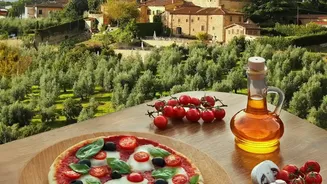
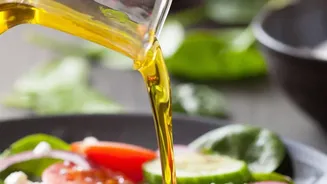
This eating pattern is not strictly vegetarian, but it does shift the focus away from red meat. Red meat is consumed, but only sparingly—perhaps a few times a month. Instead, the diet prioritizes fish and seafood, recommending at least two servings per week. Poultry and eggs are eaten in moderate amounts. Furthermore, it is not a low-fat diet; it's a diet rich in healthy fats. Extra virgin olive oil is the primary source of fat, used for cooking and dressing, replacing butter and other saturated fats. Avocados, nuts, and fatty fish also contribute beneficial unsaturated fats.
A Diet of Many Nations
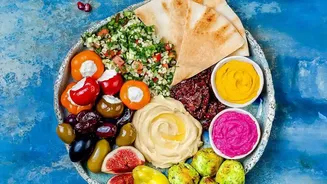
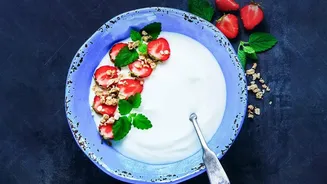
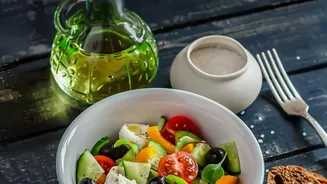
It's crucial to remember there is no single Mediterranean diet. It's an eating pattern inspired by the traditions of at least 16 countries bordering the Mediterranean Sea, from Spain and Italy to Greece, Turkey, and Morocco. This means the diet is incredibly diverse. Greek cuisine highlights feta and yogurt, while Spanish dishes might feature paella and tapas. In the Middle East, flavours like tahini, za'atar, and sumac enrich meals. What they share are the core principles: a focus on fresh, whole foods and local ingredients.
More Than Food: A Way of Life
Perhaps the biggest misconception is that this is just a 'diet' in the restrictive sense. It is more accurately described as a lifestyle. The traditional Mediterranean way of eating is deeply connected to social and cultural practices. This includes regular physical activity, getting enough rest, and, importantly, sharing meals with family and friends. The act of cooking and eating together is a cherished part of the culture, promoting mindful consumption and stronger social bonds. This holistic approach is a key component of the diet's celebrated health benefits.