





Why Herbal Teas Count
Since they are made almost entirely of water and are typically caffeine-free, herbal teas contribute to your daily fluid intake much like plain water does. Unlike caffeinated beverages, which can have a mild diuretic effect in very large quantities, most herbal teas hydrate
without causing fluid loss. This makes them an excellent choice for sipping throughout the day to stay refreshed and meet your body's needs.
Chamomile: The Calming Hydrator
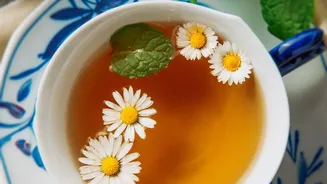
Known for its gentle, calming properties that can aid in relaxation and sleep, chamomile is also a fantastic hydrator. This caffeine-free flower has long been used to soothe the stomach and reduce inflammation, making it a perfect evening ritual to wind down while topping up your fluid levels. Its ability to help you meet hydration goals makes it a multipurpose staple for any tea cupboard.
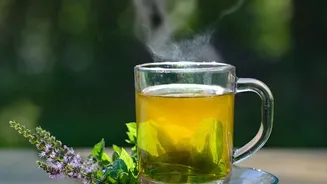
Peppermint: A Refreshing Boost
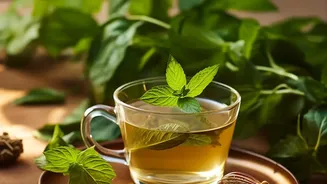
Peppermint tea offers a refreshing, invigorating flavour that works beautifully both hot and iced. It’s an excellent calorie-free way to stay hydrated throughout the day. Beyond hydration, peppermint is celebrated for its ability to aid digestion, soothe stomach discomfort, and ease bloating. The menthol in peppermint provides a cooling sensation, making it an especially welcome choice during warmer months or after a workout.
Rooibos: The All-Day Sip
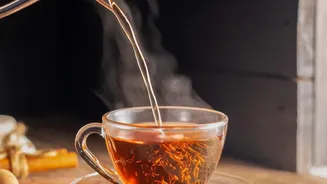
Hailing from South Africa, rooibos (or 'red bush') tea is naturally caffeine-free, low in tannins, and packed with antioxidants. What makes it a hydration superstar is its natural electrolyte content, including minerals like potassium and sodium that help with fluid balance. Its smooth, slightly sweet, and earthy flavour makes it a delicious all-day beverage that can be enjoyed at any time without interfering with sleep.
Ginger: A Warming Wellness Infusion
While ginger can have a mild diuretic effect in some cases, it is often consumed in tea form to help with hydration, especially when sick. A warm cup of ginger tea is prized for its ability to soothe a sore throat and warm the body. It’s also a powerhouse of other benefits, known for its anti-inflammatory properties, its ability to aid digestion, and its power to relieve nausea.
Making It a Simple Ritual
Incorporating herbal teas into your daily routine is easy. Start your morning with a gentle rooibos instead of a caffeinated drink. Keep a pitcher of iced peppermint tea in the fridge for a refreshing afternoon pick-me-up. End your day with a calming cup of chamomile to help you unwind. By associating different teas with different moments in your day, you create a simple, enjoyable habit that supports your overall wellness and hydration.
A Note on Diuretic Herbs
While most herbal teas are excellent for hydration, it's worth noting that a few herbs are known for their diuretic properties, meaning they encourage the body to expel more fluid. Herbs like dandelion, hibiscus, nettle, and parsley are sometimes used in 'detox' or 'cleansing' blends for this very reason. While a single cup is unlikely to cause dehydration, if your main goal is to hydrate, it's best to enjoy these specific teas in moderation.