

What Exactly Is a Dirty Matcha?
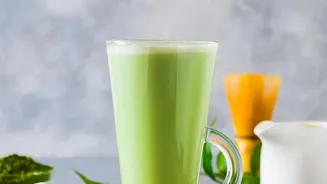
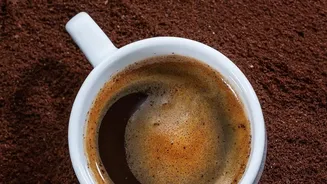
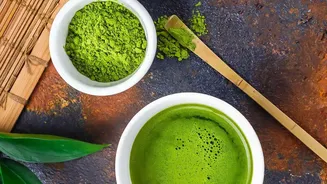
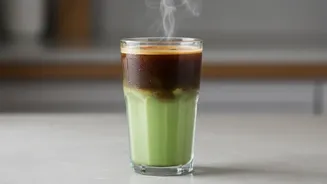
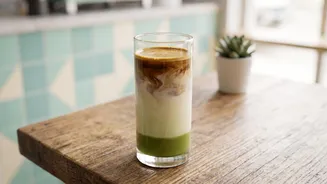
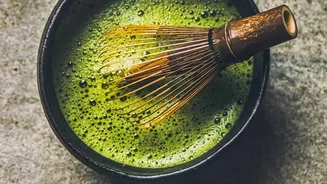
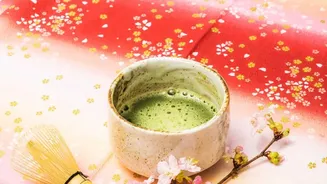
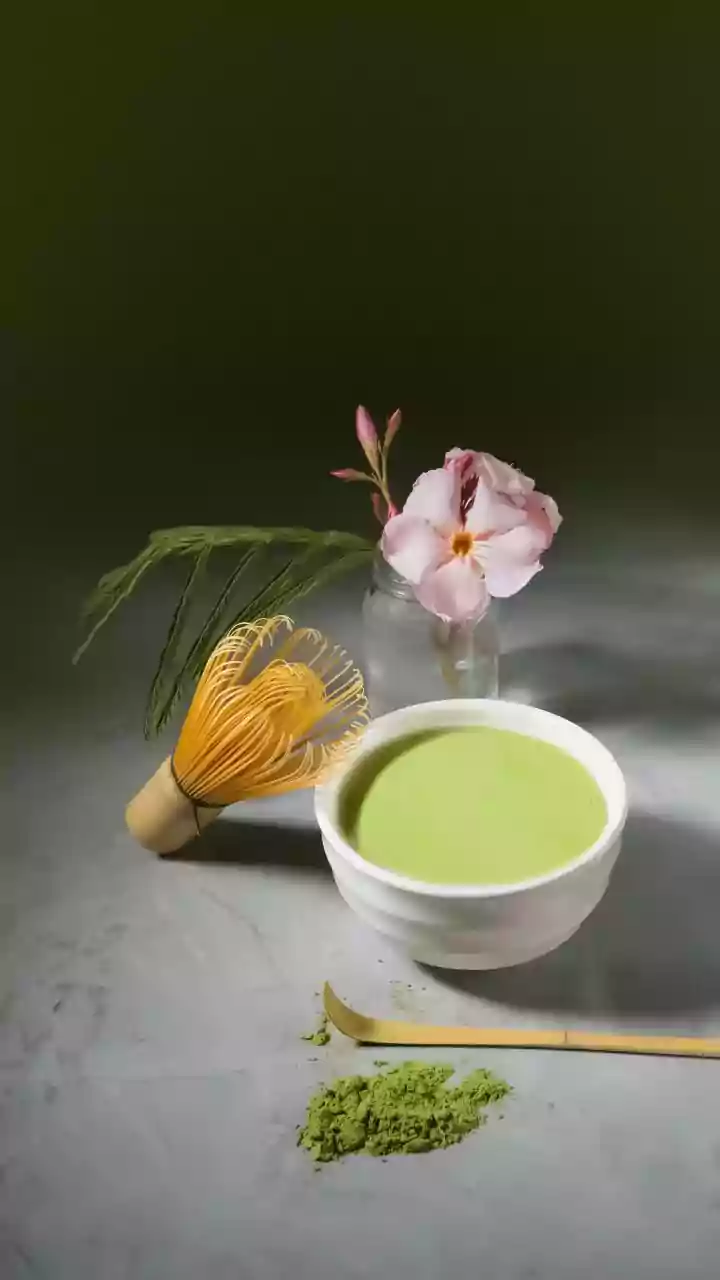
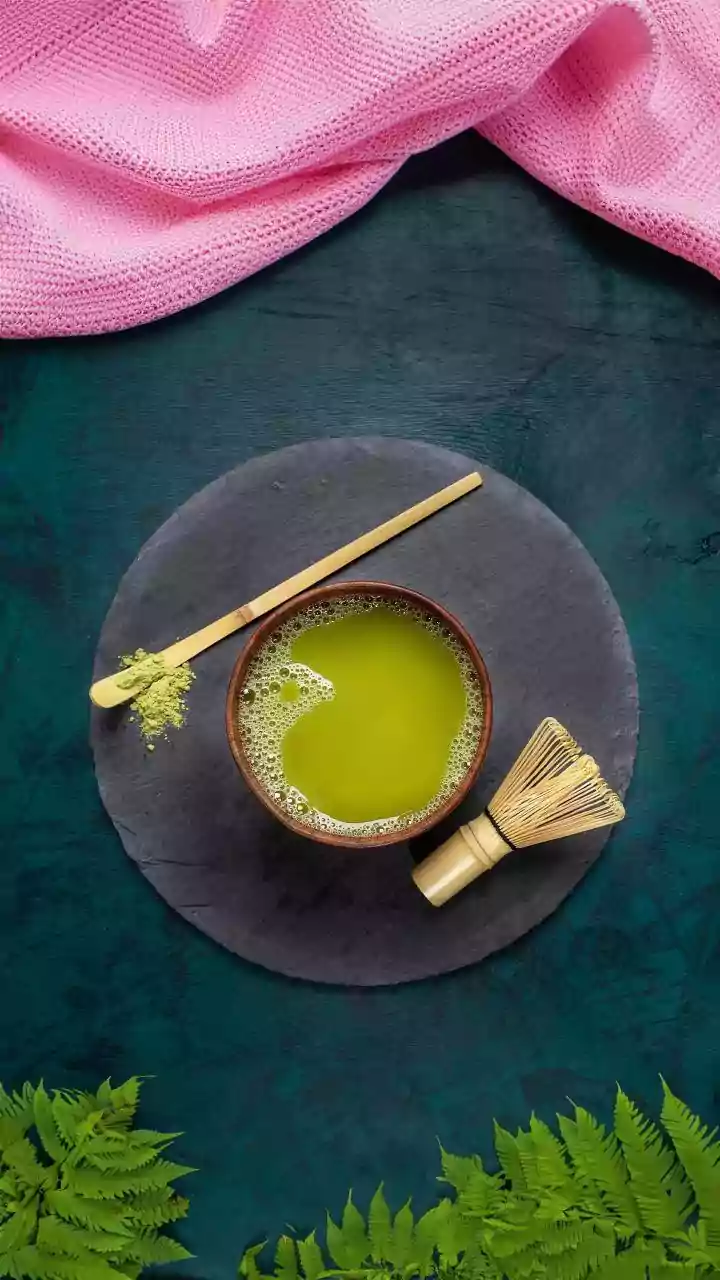
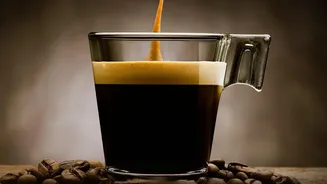
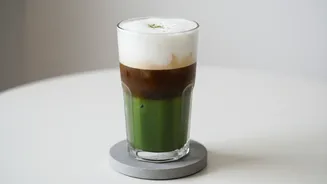
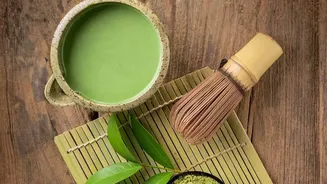
At its core, a Dirty Matcha is a simple yet inventive layering of drinks. It starts with a standard matcha latte — finely ground Japanese green tea powder whisked with water and combined with steamed milk — that is then “dirtied” by a shot of espresso
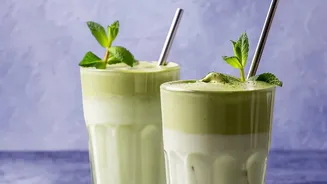
poured over the top. The name follows the coffee shop convention of a “dirty chai,” where espresso is added to a tea-based beverage. The result is an eye-catching drink, often served iced to showcase the beautiful swirls of dark brown espresso cascading through the vibrant green matcha, creating a camouflage-like effect that some have nicknamed a “camo latte.” This visual appeal is a huge part of its popularity online, offering a photogenic blend of familiar yet distinct elements.
The Caffeine Equation: A Potent Combination
The main claim about the Dirty Matcha is its substantial caffeine kick, and the numbers back it up. A typical serving of matcha (about one teaspoon or two grams of powder) can contain anywhere from 60 to 90 milligrams of caffeine. A single shot of espresso adds roughly 64 milligrams more. This means a standard Dirty Matcha can easily contain over 150 milligrams of caffeine. If your local café uses a double shot of espresso, which is common, that total can soar to well over 200 milligrams. To put that in perspective, the Indian Council of Medical Research (ICMR) suggests a daily caffeine limit of 300 mg for healthy adults. One Dirty Matcha could account for more than two-thirds of that recommended daily intake, making it significantly more potent than a standard cup of coffee or tea.
A Tale of Two Tastes
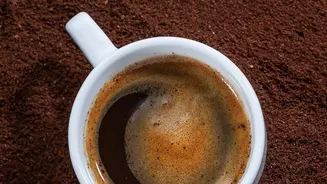
Combining two strong, distinct flavours like matcha and espresso is bound to be divisive. The experience is a complex dance on the palate. Matcha is known for its earthy, grassy, and slightly sweet umami notes. Coffee, particularly espresso, is characterized by its bold, roasted, and often bitter or acidic profile. When they meet, the resulting flavour is robust and layered. Some find that the bitterness of the espresso overwhelms the delicate matcha, while others enjoy the way the coffee’s intensity cuts through the creamy, vegetal tea. The quality of the ingredients matters immensely; using a high-quality ceremonial grade matcha can help its flavour stand up to the espresso, preventing it from tasting overly bitter.
The Best of Both Worlds?
Beyond the caffeine jolt, the Dirty Matcha's appeal lies in the unique way the two ingredients work together. Matcha is rich in an amino acid called L-theanine, which is celebrated for promoting a state of calm alertness. This compound can help smooth out the stimulating effects of caffeine, reducing the anxiety and jitters that many experience with coffee alone. In theory, a Dirty Matcha offers a balanced energy boost: the immediate, sharp kick from the espresso, followed by the sustained, calmer focus provided by the matcha-L-theanine combination. This synergistic effect is what many fans point to as the drink's primary benefit — energy without the edgy feeling or the subsequent crash.
Potential Downsides and Who Should Be Cautious
While the combination can be beneficial for some, it’s not for everyone. The high caffeine content is the most significant concern. For individuals sensitive to caffeine, or those with anxiety or certain heart conditions, a Dirty Matcha could easily trigger palpitations, shakiness, or disrupt sleep patterns. It's a powerful drink that should be approached with awareness of your personal tolerance. Furthermore, the ICMR notes that tannins present in both tea and coffee can interfere with the body's ability to absorb iron, and advises against consuming these beverages within an hour of meals. Anyone new to this combination should consider starting with a single espresso shot and paying close attention to how their body responds before making it a regular habit.