






The Foundation: Reliability First
For any new launch provider, the single most important currency is reliability. Before you can be ambitious, you must be dependable. This is the role of Vikram-1 in Skyroot's strategy. Following the successful suborbital flight of its precursor, Vikram-S,
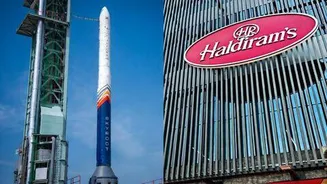
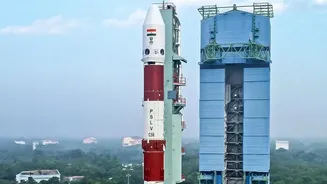
in 2022, all eyes have been on Vikram-1. Its successful orbital launch on July 18, 2026, was a landmark moment, making Skyroot the first private Indian company to achieve this feat and placing India among the few nations with private orbital launch capability. Designed to lift around 350 kg to Low Earth Orbit (LEO), Vikram-1 is aimed squarely at the bustling small satellite market. The goal is not just to reach orbit, but to do so repeatedly and predictably, building the customer confidence necessary to secure a steady stream of commercial contracts.
Vikram-1: The Commercial Workhorse
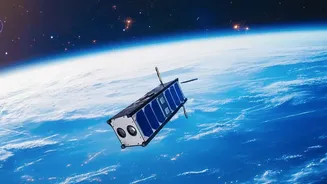
The Vikram-1 is a highly efficient vehicle, built with a lightweight all-carbon-composite structure and advanced 3D-printed engines to keep costs down and manufacturing times short. Its recent maiden orbital mission, named 'Aagaman' (Arrival), successfully deployed payloads into a 450 km orbit, validating its core technologies under real-world spaceflight conditions. Now that it has reached orbit, the company's focus shifts to commercialization and cadence. Skyroot has stated ambitions to conduct another test flight this year and scale up to a monthly launch capacity by 2027. This positions Vikram-1 as the reliable taxi service for the small satellite revolution, a market where clients often wait months or years for a ride on a larger rocket.
The Next Frontier: Vikram-2's Ambition
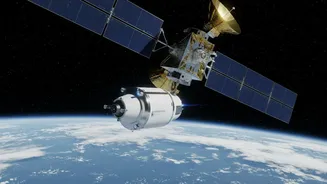
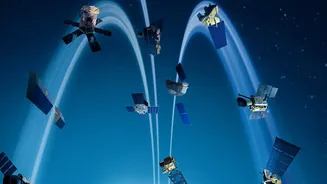
While Vikram-1 establishes a foothold, Vikram-2 represents the company's upward ambition. Where Vikram-1 is about reliability and serving the existing small satellite market, Vikram-2 is about expanding capability. This vehicle is being designed to carry significantly heavier payloads—up to 900 kg to LEO, more than double the capacity of its predecessor. This leap in performance is powered by a more advanced cryogenic upper stage, using a Dhawan-series engine that runs on liquefied natural gas. This enhanced power and efficiency will allow Skyroot to service a wider range of clients, including those with larger single satellites or those looking to deploy entire constellations of satellites in multiple orbits.
A Two-Pronged Strategy for a Growing Market
Running these two programs in parallel is a calculated and savvy business strategy. Vikram-1 is designed to generate revenue and build a track record in the here and now. Its success is the foundation upon which the entire company's reputation rests. Meanwhile, the development of Vikram-2 ensures that Skyroot will not be left behind as the market evolves. It anticipates a future where satellite constellations and more complex missions demand heavier-lift vehicles. This dual approach allows the company to meet current market demand while future-proofing its business model. It tells customers: we are reliable today, and we will be ready for your bigger needs tomorrow.
The Bigger Picture for India's Space Economy
Skyroot's strategy is a microcosm of the transformation happening across India's space sector. Spurred by government reforms in 2020 that opened the doors to private enterprise, the Indian space economy is projected to grow from around $8.4 billion to over $40 billion by the early 2030s. Companies like Skyroot, founded by former ISRO scientists, are at the forefront of this shift, leveraging Indian technical expertise and cost-effectiveness to compete on the global stage. By developing a family of rockets, Skyroot is not just building a company; it is helping to build a sovereign Indian launch capability that is independent, competitive, and crucial for the nation's strategic and economic goals in the final frontier.