



The Atmosphere's Lid
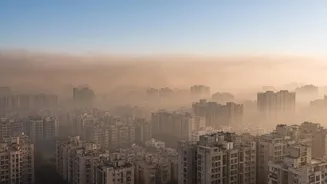
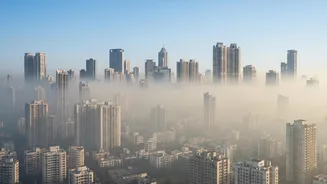
The core of the problem lies in a meteorological phenomenon called temperature inversion. Normally, the air closer to the ground is warmer and rises, allowing pollutants to disperse high into the atmosphere. But as winter approaches, the nights grow colder,
cooling the ground and the air near it. This creates a layer of cool, dense air at the surface with a warmer layer above it. This warm layer acts like a lid, trapping the cooler air—and everything in it—below. Consequently, all the pollutants generated within the city get locked near breathing level, unable to escape.
Slowing Winds and Stagnant Air
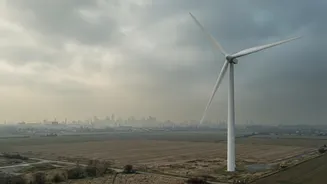
Compounding the inversion effect is the change in wind patterns. The vigorous monsoon winds that help cleanse the air by blowing pollutants away recede in October. They are replaced by calmer, slower-moving northwesterlies. These low wind speeds are unfavourable for the dispersion of pollutants, leading to their accumulation. When wind speeds drop close to zero, the air becomes stagnant. This means pollutants from local sources—vehicles, industry, construction—aren't blown away; they simply linger and concentrate where they are emitted, creating localized hotspots of severe pollution.
The Inevitable Arrival of Farm Fires
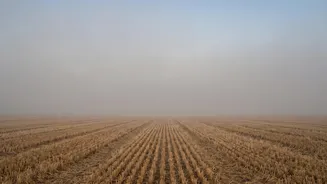
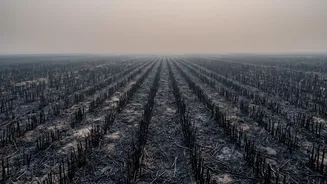
This atmospheric trap coincides perfectly with the post-harvest season in the neighbouring states of Punjab, Haryana, and Uttar Pradesh. Farmers in these regions burn rice crop stubble to quickly clear their fields for the next crop. The resulting smoke, laden with particulate matter, is carried by the prevailing northwesterly winds directly towards Delhi-NCR. While not the sole cause, this massive influx of external pollution dramatically worsens the air quality, often pushing the AQI from 'poor' to 'severe' categories. Early incidents of stubble burning were already detected in September and are expected to intensify through October and November.
A Cocktail of Local Pollutants
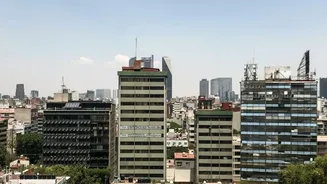
Even without stubble burning, Delhi generates a significant amount of its own pollution year-round. Major contributors include vehicular emissions (41%), dust from construction activities (21%), and industrial emissions (18%). During other seasons, weather conditions help disperse these pollutants. But in the post-monsoon period, the combination of temperature inversion and low wind speeds means these everyday emissions get trapped, forming a toxic cocktail. This is why even on days with fewer farm fires, the city's air quality can remain hazardous, as it stews in its own emissions.
Early Warnings and Stricter Measures
The first week of October 2026 has already been the most polluted in three years, signalling an early start to the pollution season. The average AQI has consistently been in the 'moderate' to 'poor' range. In response, authorities are relying on a revised Graded Response Action Plan (GRAP). This year, the plan has been made more proactive, with some restrictions triggered earlier. For instance, curbs on certain buses and diesel generators now begin at Stage I of GRAP, rather than Stage II. Restrictions on older BS-III petrol and BS-IV diesel cars have also been expanded to include more NCR towns like Sonipat under Stage III. These preemptive measures aim to control local emissions before the pollution peaks, but their effectiveness will be tested in the coming weeks as temperatures continue to drop and farm fires increase.