









The Promise of a Connected India
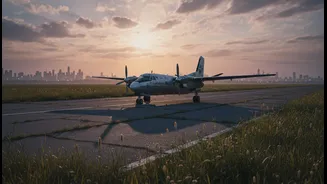
Launched in 2016, the Ude Desh ka Aam Naagrik (UDAN) scheme was a revolutionary idea. The goal was simple yet transformative: make air travel affordable and accessible, connecting underserved and unserved airports in Tier-2 and Tier-3 cities. For a brief
period, it worked. New airports sprang up, old airstrips were revived, and for the first time, people in places like Kishangarh, Pithoragarh, and Salem could board a flight for business, education, or to visit family, often in less than an hour for what was once an overnight train journey. The scheme subsidized fares and supported airlines to make these routes viable, bringing a new wave of economic hope and convenience. Over 16.6 million passengers have benefited since its inception.
Why Are Flights Disappearing?
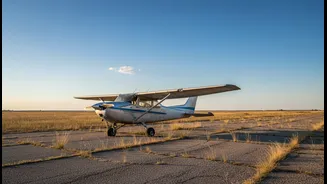
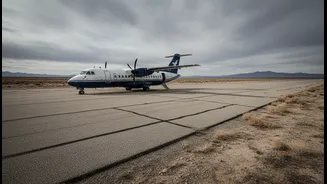
The core issue is sustainability. Many routes have become non-operational. A significant number of routes cease operations once the initial three-year government subsidy period ends. Airlines often find that passenger demand isn't high enough to make the route commercially viable without this financial support, known as Viability Gap Funding (VGF). For example, daily flights connecting Karnataka's Bidar and Kalaburagi airports were discontinued by an airline once the subsidy ran out. Other significant challenges include operational hurdles. Many designated airstrips are not ready for commercial flights due to regulatory delays and high compliance costs. Airlines might have permission to fly a route but can't because the airport infrastructure simply isn't there, leading to a huge financial burden.
The Return to Slower, Longer Journeys
The most immediate impact of a discontinued flight is on the clock. For residents of smaller towns, a one-hour flight is being replaced by a 10-hour bus ride or a 15-hour train journey. This dramatically changes everyday planning. A businessperson who could fly to a metro city for a day meeting and return by evening now faces a three-day trip. This loss of time translates directly into lost opportunities and increased costs. For patients needing to consult specialists in major cities, the convenience of a quick flight is replaced by a physically taxing and prolonged journey. Students studying in other states find it harder and more expensive to travel home for holidays. The ease of staying connected, a key promise of the scheme, has been abruptly withdrawn, forcing a return to the old, arduous ways of travel.
Economic Ripples and a Sense of Isolation
The impact goes far beyond the individual traveller. When flights stop, the local economy that grew around the airport takes a direct hit. Taxi drivers lose fares, hotels see fewer bookings, and local businesses that benefited from increased tourism and commercial traffic suffer. The initial arrival of air connectivity often brings a wave of optimism, encouraging investment and creating jobs. When that connectivity is withdrawn, it can lead to a sense of being left behind. Towns that were briefly on the aviation map are suddenly disconnected again, impacting not just their economic prospects but also their morale. For regional airlines, connecting to major hubs like Delhi and Mumbai is crucial for creating a viable network, but getting slots at these busy airports remains a significant challenge.
A Modified Approach and Lingering Questions
The government is aware of these challenges. A modified UDAN scheme was launched in July 2026 with a significantly increased outlay of over ₹28,840 crore for the next decade. This new phase aims to address past failures by extending the subsidy period for airlines from three to five years and providing more funds for airport development and maintenance. The plan includes developing 100 more aerodromes and 200 modern helipads. However, questions remain. Simply extending subsidies may not solve the fundamental issue of low passenger demand on certain routes. For the scheme to truly succeed, there needs to be a holistic approach that also focuses on boosting local economies to create a sustainable demand for air travel, ensuring that once the support is withdrawn, the routes can stand on their own feet.