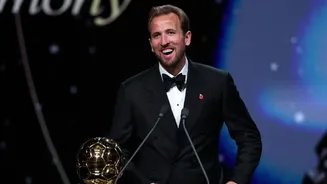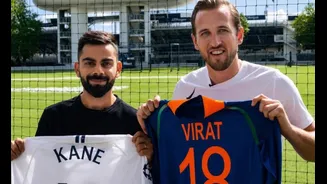





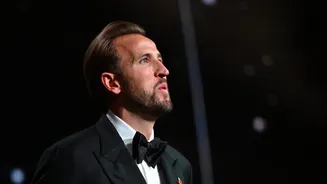
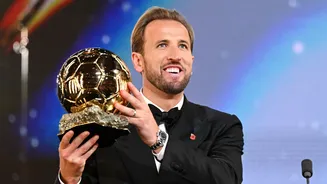

Harry Kane's goal-scoring records speak for themselves, but the secret to his sustained excellence lies far from the pitch. His career is a masterclass in how dedication to fitness and recovery is the true foundation of a modern footballing legacy.
The Injury Wake-Up Call
For
many elite athletes, a career-defining moment comes not from a trophy win, but from the stark reality of injury. For Harry Kane, this moment came repeatedly. Between 2016 and 2019, the striker suffered a series of significant ankle ligament injuries that threatened to derail his upward trajectory. He missed crucial games for Tottenham Hotspur, including a Champions League final, and the recurring nature of the problem suggested a vulnerability that could shorten his career. It was this period of frustration and forced time on the sidelines that sparked a fundamental shift in his professional mindset. Realising that talent alone was not enough to withstand the physical demands of elite football, Kane began a journey to transform his body and his entire approach to athletic maintenance.
The Nutrition Revolution
One of the most significant changes Kane made was overhauling his diet. Around 2017, he hired his own personal chef and nutritionist, Dan Sargeant, to fine-tune his fuel intake for peak performance. This wasn't about a restrictive diet, but a scientific one. Kane's meals are now meticulously planned around his training and match schedule. On a typical day, his diet is rich in lean proteins like chicken and fish, complex carbohydrates, and plenty of vegetables to get essential nutrients. The key is timing; carbohydrate intake is increased before a game to maximise energy stores and reduced on lighter training days to maintain a lean physique. This precise approach to nutrition has been credited with improving his physical condition and on-field performance, allowing him to recover faster and maintain energy levels through a gruelling season.
A Toolkit For Recovery
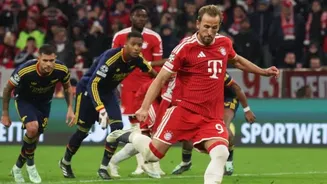
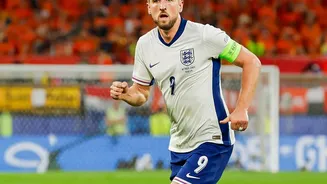
Beyond diet, Kane has adopted a comprehensive recovery strategy that leverages both traditional methods and modern science. He has spoken about the importance of getting enough sleep, something he feels is an underrated aspect of recovery for athletes. His routine also includes a range of physical therapies. Ice baths are a staple to reduce muscle inflammation, while he also uses infrared saunas and regular stretching and mobility work. For the last several years, Kane has heavily utilised a specific treatment called electrical neurofunctional acupuncture, which stimulates the nervous system to help his muscles relax and repair. This combination of techniques ensures that his body can withstand the rigours of training at clubs like Bayern Munich and for the England national team. Being available for selection, he has said, is one of the most important traits an athlete can have.
Smarter Training, Longer Career
As Kane has entered his thirties, his approach to training has evolved from pure volume to intelligent application. In his younger years, he was known for staying late after team sessions to practise his finishing. Now, with years of experience, he understands his body better. He has learned when to push himself and, just as importantly, when to pull back. Instead of taking 50 extra shots after every session, he might now take just 10 or 15, focusing on quality over quantity. This smarter approach, combined with dedicated strength and conditioning work on his core and mechanics, has paid dividends. Even at 33, Kane has stated he feels as good as ever, with performance data showing he is still hitting top running speeds. This intelligent management of his workload is a deliberate strategy to prolong his career at the highest level, inspired by the longevity of players like Cristiano Ronaldo.