




What's the Problem in the Aisles?
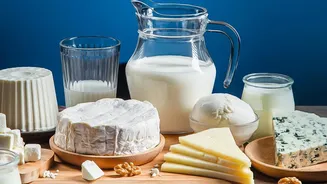
Walk into any supermarket, and you'll find a growing section of products that look and act like dairy but aren't. We're talking about "almond milk," "vegan ghee," and even "soya paneer." For years, these products, known as dairy analogues, have used familiar
dairy terms on their packaging. This has led to a major debate. The traditional dairy industry argues that this misleads consumers, who may believe these alternatives have the same nutritional profile as milk-based products. They contend that terms like 'milk' and 'paneer' should be reserved for products derived from animals. On the other side, makers of plant-based foods say consumers are savvy enough to understand the difference and that these names simply describe the product's function. The result has been a confusing marketplace where products made from vegetable oil and starches are sometimes sold right next to, and named like, traditional dairy.
What FSSAI Proposes to Change
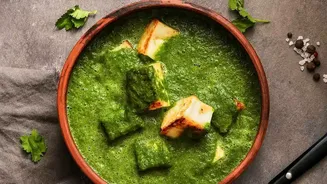
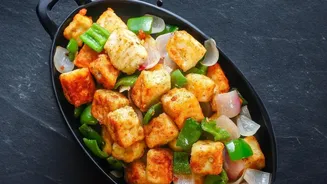
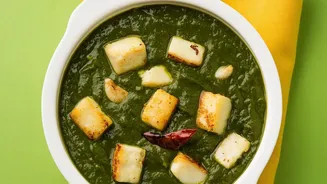
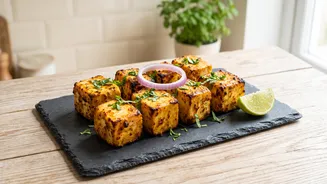
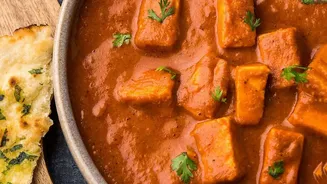
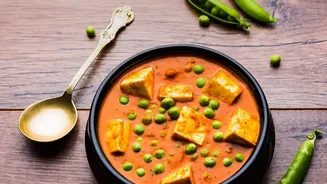
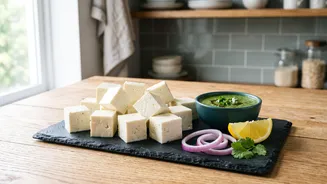
The Food Safety and Standards Authority of India (FSSAI) has stepped in with a proposed solution: the draft Food Safety and Standards (Prohibition and Restrictions on Sales) Amendment Regulations, 2026. The core of the proposal is simple: to restrict the use of specific dairy terms for products that are not made from milk. The most recent draft, notified in September 2026, specifically targets the term 'paneer'. If the regulation is finalized, any product made from non-milk ingredients, like vegetable fats or proteins, cannot be called 'paneer' on its label or in its marketing. This doesn't mean these products will be banned. Instead, manufacturers will have to find new names, likely labelling them as a "dairy analogue" or another non-dairy term. The rules would also apply to restaurants and caterers, who would have to disclose on their menus if they are using a dairy substitute.
A Win for the Dairy Industry?
For India's massive dairy sector, this draft regulation is seen as a significant victory. Dairy producers have long campaigned for such a distinction, arguing it is essential to protect the integrity of their products. According to FSSAI's existing standards, paneer is a product obtained from cow or buffalo milk coagulated with permitted acids. Dairy advocates argue that analogues, often made from cheaper vegetable oils, not only mislead consumers but also create unfair competition and can be nutritionally inferior. Several states, including Maharashtra and Gujarat, had already implemented their own local restrictions on the sale of analogue paneer, citing these concerns. A national framework from FSSAI would create a uniform standard across the country, ensuring that the term 'paneer' signifies a genuine milk product everywhere.
The Plant-Based Perspective
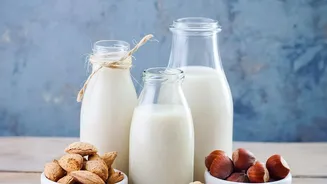
The plant-based food industry has a different view. Associations like the Plant Based Foods Industry Association (PBFIA) have been urging FSSAI to allow the use of common terms like "milk," arguing that consumers understand them in context. They point out that phrases like "coconut milk" have been used for generations without causing confusion. The industry worries that being forced to rebrand products from "almond milk" to "almond beverage," for example, could create new confusion and hurt a growing sector that caters to vegans, the lactose-intolerant, and those seeking sustainable alternatives. While the current draft focuses heavily on 'paneer', the broader principle has been debated for years, with plant-based brands caught in regulatory uncertainty. They argue the move could be seen as protectionism for the established dairy lobby rather than a genuine effort to inform consumers.
What It Means for Your Next Grocery Run
So, what does this mean for you, the shopper? The primary goal of the FSSAI draft is to bring more transparency to food labels. You won't see your favourite plant-based products disappear from shelves, but their names are likely to change. That block of 'soya paneer' might soon be called 'soya curd block' or something similar. The aim is to empower you to make a more informed choice at a glance, knowing exactly whether you are buying a product made from milk or a plant-based substitute. The FSSAI has invited suggestions and objections from the public for 60 days from the notification date before finalizing the rules, so the final wording could still evolve.