


The Green Wave Hits Indian Cities
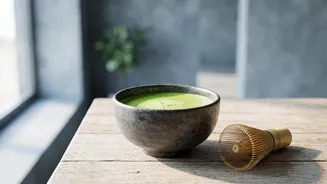
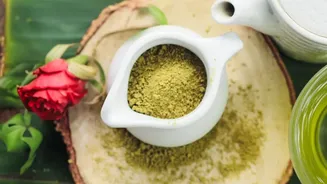
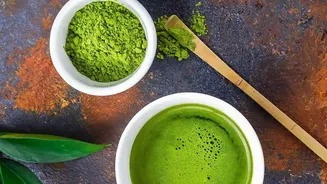
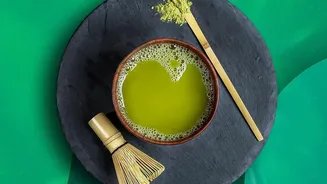
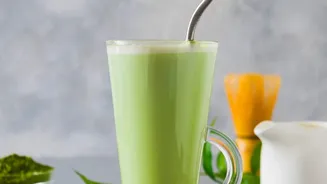
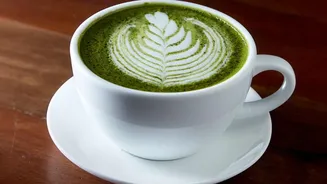
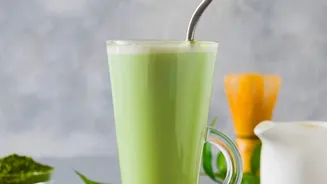
From Bengaluru to Mumbai and Delhi, specialty coffee shops and new-age cafes are adding matcha lattes, teas, and even desserts to their menus. Once a niche product, this finely ground Japanese green tea powder is becoming a mainstream choice for urban
Indians. Brands are innovating with it, creating everything from matcha-infused French toast to traditional Indian-inspired drinks like matcha aam panna. This rapid adoption in the cafe scene is a clear sign of a shift in consumer tastes, driven largely by millennials and Gen Z looking for novel, healthier alternatives to traditional beverages. The Indian matcha market is growing at a remarkable pace, with some estimates suggesting a compound annual growth rate (CAGR) of nearly 10%, significantly faster than the broader tea market.
A Multi-Billion Dollar Global Boom
India’s newfound love for matcha mirrors a powerful worldwide trend. The global matcha market was valued at over USD 5 billion in 2025 and is projected to grow substantially, with some analysts predicting it will reach nearly USD 9 billion by 2033. This surge isn't just happening in one region; it's a phenomenon seen from North America to Europe and across Asia. The demand is fueled by a global movement towards health and wellness, with consumers actively seeking out functional foods and beverages that offer more than just good taste. This has pushed matcha from a traditional ceremonial drink into a versatile ingredient found in everything from ready-to-drink beverages to nutritional supplements and baked goods.
The Allure of 'Calm-Focus' Energy
A primary driver of matcha's popularity is its unique combination of health benefits. Unlike the sharp jolt from coffee, matcha provides a sustained, gentle energy boost. This is thanks to L-theanine, an amino acid that promotes a state of calm alertness, counteracting the jittery side effects often associated with caffeine. For many, this 'calm-focus' is a welcome alternative to the coffee crash. Furthermore, because you consume the entire tea leaf as a powder, matcha delivers a potent dose of antioxidants—significantly more than brewed green tea and even coffee. These compounds, especially one called EGCG, are linked to benefits like boosting metabolism and protecting cells from damage, making matcha a powerhouse of wellness in a cup.
Driven by Aesthetics and Social Media
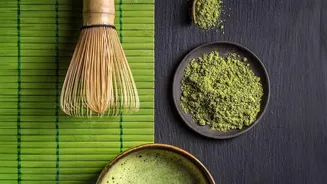
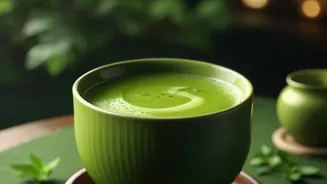
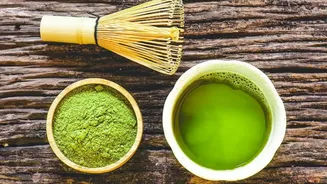
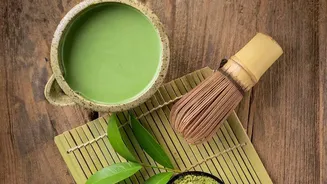
You can't discuss matcha's rise without mentioning its visual appeal. Its brilliant green colour is incredibly photogenic, making it a star on social media platforms like Instagram and TikTok. A well-made matcha latte isn't just a drink; it's a statement. This 'Instagrammable' quality has been a huge factor in its rapid spread among younger consumers. Influencers and wellness creators have embraced it, showcasing not just the drink itself but the entire ritual around its preparation. This combination of aesthetic appeal and genuine health benefits has created a powerful narrative, positioning matcha as a symbol of a modern, mindful, and health-conscious lifestyle.
What This Means for the Indian Consumer
The matcha trend in India is more than just a new beverage option; it reflects a deeper shift. Indian consumers, particularly in urban centres, are increasingly globally connected and health-aware. They are willing to experiment with and pay a premium for products that align with their wellness goals. While the trend began in high-end cafes, the growing availability of matcha powders from various brands means more people are making it at home, with online searches for 'how to make matcha' soaring. The market is now seeing everything from ceremonial-grade Japanese imports to, more recently, Indian-grown matcha from regions like Assam. This growing accessibility ensures that the green wave is not just a fleeting moment but a lasting change in India's beverage landscape.