





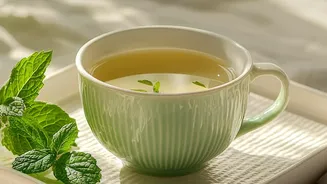
When a tension headache strikes, the thought of a simple, natural remedy is appealing. A cool compress soaked in peppermint tea seems like a soothing solution. But while this home remedy is popular, the science behind it is worth a closer look.
The Allure of a Simple Remedy
The idea
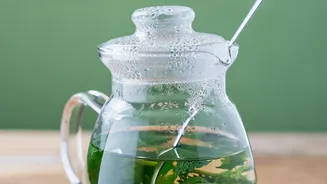
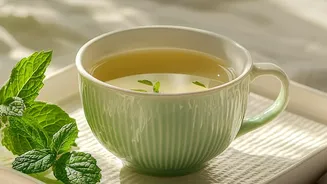
is straightforward and comforting. Brew a cup of peppermint tea, let it cool, soak a clean cloth in the infusion, and apply it to your forehead and temples. In theory, you get the combined benefit of a cooling compress and the headache-relieving properties of peppermint. It’s an accessible, inexpensive, and gentle approach that many people turn to for relief from the nagging pain of a tension headache. The pleasant, uplifting aroma is an added bonus, contributing to a sense of calm and well-being. But is the relief coming from the peppermint in the tea, or is there something else at play?
The Science Points to Peppermint Oil
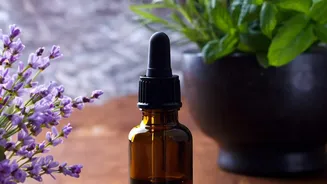
When scientific studies look at peppermint for headaches, they aren't studying the tea; they're studying peppermint essential oil. The key active compound is menthol. Research has shown that applying a solution containing menthol or peppermint oil directly to the skin of the forehead and temples can be an effective treatment for tension headaches. One landmark study found that a 10% peppermint oil solution in ethanol was as effective as 1,000 mg of paracetamol in relieving tension headache pain. The menthol provides a cooling sensation that activates specific receptors on sensory nerves, which can help distract from or block pain signals. This is known as a counter-irritant effect, where one sensation (cold) overrides another (pain).
Tea vs. Oil: A Question of Concentration
Here lies the crucial point of interpretation. Peppermint essential oil is a highly concentrated extract from the plant's leaves and flowers. In contrast, peppermint tea is an infusion made by steeping dried or fresh leaves in hot water. The amount of menthol that makes it from the tea bag into the water, and then onto your skin via a compress, is minuscule compared to the concentrated dose used in clinical studies. While drinking peppermint tea may help relax muscles and improve circulation, there is currently no strong scientific evidence to confirm that the aroma or a topical compress from the tea itself has a significant effect on headache pain. The relief you feel is more likely coming from other factors.
The Unsung Hero: The Compress Itself
Never underestimate the power of a simple compress. Applying temperature to the skin is a time-honoured method for pain relief. A cool compress, even with just water, can help by constricting blood vessels and numbing the area, which is effective for the throbbing pain sometimes associated with severe tension headaches. Conversely, a warm compress can help relax the tight muscles in the forehead, scalp, and neck that are the hallmark of tension headaches. Therefore, the act of applying a compress—whether warm or cool—is providing a therapeutic benefit all on its own, regardless of whether it's soaked in peppermint tea.
The Verdict: Soothing Ritual, Not a Potent Cure
So, do peppermint tea compresses work? The answer is nuanced. The compress itself provides real, physical relief through temperature application. The gentle aroma of the peppermint can be psychologically soothing, helping to reduce stress, which is a common headache trigger. Together, it creates a comforting and relaxing ritual. However, it's unlikely that the minuscule amount of menthol in the tea is having a significant direct analgesic effect. The evidence-backed method for peppermint headache relief involves the topical application of diluted peppermint oil. A tea compress is a harmless and pleasant supportive measure, but its effectiveness should not be confused with that of its highly concentrated essential oil counterpart.
Using Peppermint Safely and Effectively
If you want to try the scientifically supported method, it's crucial to do so safely. Pure peppermint essential oil is potent and can cause skin irritation, rashes, or allergic reactions. It should never be applied directly to the skin. Instead, dilute a few drops of peppermint oil with a carrier oil like coconut, jojoba, or almond oil before gently massaging it onto your temples and forehead. Be very careful to keep it away from your eyes. Always perform a patch test on a small area of skin first to check for any reaction. While sipping peppermint tea is generally safe and may offer its own mild relaxing benefits, using the concentrated oil topically is the method with more robust evidence for headache relief.