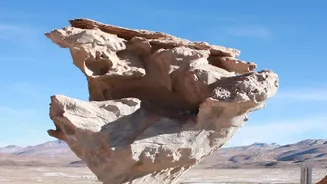








Each Raindrop a 'Small Bomb'
It’s a phenomenon we’ve seen for years, but only now truly understand. Scientists have long known that persistent rainfall can wear away even the hardest surfaces, but the exact physics remained surprisingly elusive. A groundbreaking study has provided
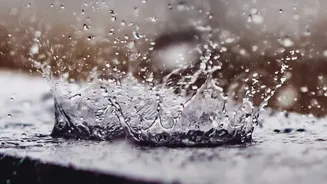
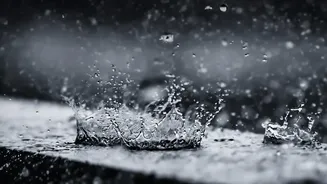
a clearer picture, revealing that the damage is not just from simple wear and tear. Researchers found that when a liquid droplet strikes a surface, its impact energy is released explosively. The droplet spreads out at a speed that can exceed the speed of sound for a moment, creating a shock wave across the surface. In essence, each tiny drop behaves like a miniature bomb, delivering enough focused force to contribute to the erosion of hard materials like stone over time. This finding moves beyond just visually observing the splash; new techniques have allowed scientists to measure the immense, hidden shear stress and pressure that a seemingly soft droplet can exert.
The Science of the Splash
The destructive power lies in the mechanics of the impact. In the past, it was thought that the force was concentrated at the centre of the droplet. However, the new research shows that the force actually spreads out with the rapidly expanding drop. This rapid lateral jetting creates immense stress on the material. Porous materials, which include many types of natural stone used in construction and monuments, are particularly vulnerable. The impact does more than just chip away at the surface; it introduces water into the stone's internal structure. This leads to a host of secondary problems, including chemical reactions and damage from salt crystallisation as the stone dries out, a process known as efflorescence. For calcite-based stones like marble and limestone, this process is compounded by the natural acidity of rainwater, which slowly dissolves the stone itself.
A Threat to India's Heritage
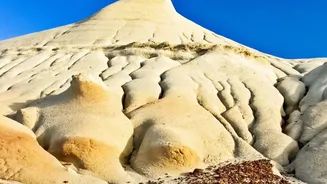
For a country like India, with its vast wealth of ancient and medieval stone monuments, these findings are particularly resonant. From the majestic sandstone forts of Rajasthan to the intricately carved temples of the south, much of the nation's cultural heritage is exposed to the elements. The annual monsoon brings intense and prolonged periods of rainfall, creating perfect conditions for this newly understood form of erosion. Materials like sandstone, while resistant to acid rain, are still subject to physical erosion from the impact of water droplets. Softer, porous stones are even more at risk. The cumulative effect of billions of these 'mini-explosions' over centuries poses a significant and ongoing threat to the integrity of these invaluable structures. Increased rainfall intensity, a potential consequence of climate change, could accelerate this damage even further.
Rethinking Protection and Conservation
This enhanced understanding of raindrop erosion has direct implications for how we protect our heritage sites. It's not enough to simply manage water runoff; the direct impact of the rain itself must be considered a primary factor in material degradation. Conservation efforts often focus on chemical weathering from pollution or biological growth like algae and moss. While these are critical, the physical force of the rain now emerges as a key piece of the puzzle. This could lead to the development of new protective coatings and materials engineered to be more erosion-resistant. For architects and conservationists, the research underscores the need for robust water management systems on historic buildings, ensuring that drainage is efficient and that stone surfaces are not subjected to concentrated flows or excessive splashing. The goal is to mitigate not just the presence of water, but the kinetic energy it delivers on impact.