





A First for Urban India
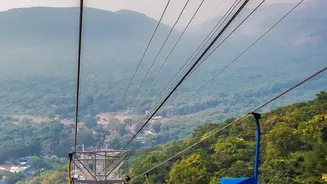
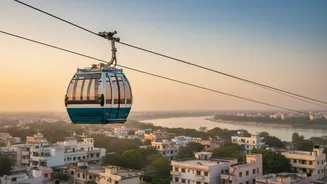
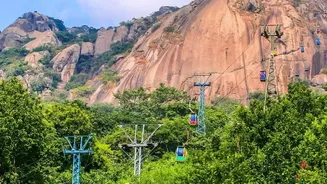
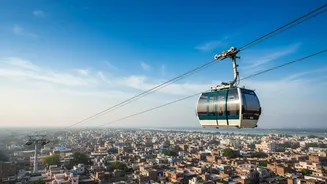
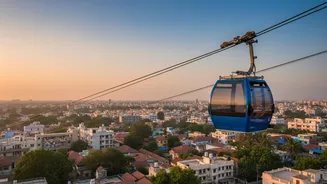
Varanasi is set to become the first city in India, and only the third worldwide after locations in Bolivia and Mexico, to integrate a ropeway system into its public transport network. The nearly 3.8 km line is a futuristic solution to an age-old problem:
the crippling traffic congestion in the city's ancient, narrow lanes. The project, implemented by the National Highways Authority of India's logistics wing, aims to slash travel time between Varanasi Cantt Railway Station and the popular Godowlia Chowk from a traffic-snarled 45-60 minutes to a predictable 16 minutes. This is not just a tourist ride; it's a mass transit system designed to carry up to 6,000 passengers per hour, fundamentally changing how residents, pilgrims, and tourists navigate the spiritual capital.
Architecture as Homage
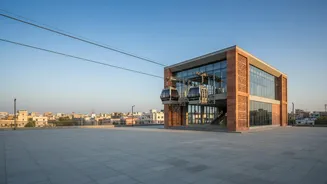
In a city defined by its profound spiritual and cultural identity, simply building functional stations was never an option. The core challenge lies in embedding a piece of 21st-century infrastructure into a landscape steeped in history. The design philosophy for the ropeway stations is a direct response to this, aiming to reflect the city's soul. According to models released by the project authorities, the architecture is deeply inspired by Kashi's association with Lord Shiva. The station designs creatively incorporate symbols central to Shaivism and the city's identity, such as the Damaru (a two-headed drum), the Trident, and imagery of the sacred Ganga river.
A Symphony of Symbols
The proposed models show a conscious effort to make each station a visual narrative. Elements like the crescent moon from Shiva's hair, the sacred Nandi bull, and motifs of conch shells are woven into the structural and decorative aspects of the stations. This approach is part of a wider trend in Varanasi's recent development, where new infrastructure projects, from traffic booths to lighting, are being designed with a traditional Banarasi architectural style to reinforce the city's unique identity. The ropeway stations are envisioned not as generic transit hubs but as modern temples of transport, paying homage to the city they serve. This thoughtful integration aims to ensure that the ropeway feels like a natural, respectful addition to the cityscape rather than an industrial imposition.
The Modern-Heritage Balance
The project represents a delicate balancing act. On one hand, it's a symbol of modern India's engineering prowess, utilising advanced technology from Swiss firm Bartholet to create an efficient, eco-friendly transport solution. The electric-powered system bypasses the need for road-widening that would have required large-scale demolition in the heritage zone. On the other hand, it must coexist with a priceless, ancient urban fabric. The design of the stations is therefore critical. By drawing on local culture and religious symbolism, the project attempts to create a bridge between the past and the future. It’s a case study in how to pursue modernization without erasing heritage, a challenge many historic Indian cities are grappling with.
The Passenger Journey
Beyond the symbolic architecture, the stations are designed for functionality and seamless integration. The four main passenger stations—Cantt Railway Station, Vidyapeeth, Rath Yatra, and Godowlia—are strategically placed to connect key transport, education, and pilgrimage hubs. They will feature modern amenities like lifts, escalators, and large waiting areas to ensure passenger comfort. The goal is to create a seamless multimodal experience, allowing people to conveniently switch between trains, buses, and the new aerial route to the Kashi Vishwanath Temple corridor. With testing underway on priority sections and a full opening anticipated soon, the stations are the public-facing gateways to this transformative project.