




A Watershed Quarter for Electric Cars
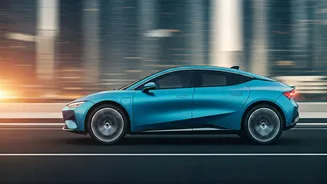
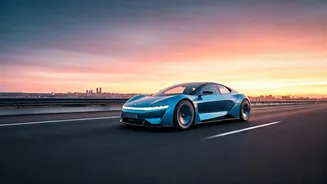
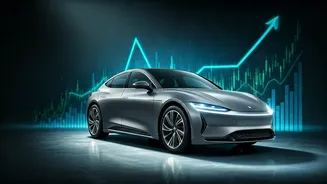
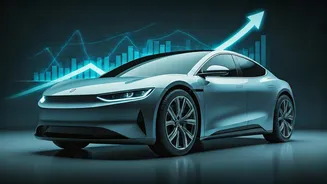
The number 82,737 is more than just a statistic; it represents a nearly 90% year-on-year surge in electric passenger vehicle registrations for the April to June 2026 quarter. According to data from the government's Vahan portal, registrations jumped from 43,710
units during the same period last year. The momentum was consistent, growing month-on-month from just under 25,000 units in April to over 30,000 in June, a new monthly record for the segment. This accelerated adoption shows that electric cars are moving beyond early adopters and becoming a serious consideration for mainstream buyers, a trend fueled by better ownership economics and growing environmental awareness. This growth helped push the market share of electric cars to nearly 7.5% by the end of the quarter.
The Two-Wheeler Revolution Leads the Charge
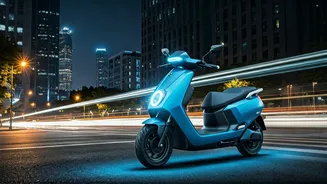
While the passenger car segment's growth is impressive, the real engine of India's EV boom is the two-wheeler market. Electric scooters and motorcycles make up the overwhelming majority of EVs on Indian roads, accounting for nearly 58% of all EV sales in the last financial year. In June 2026 alone, over 181,000 electric two-wheelers were registered, translating to more than 6,000 new EVs hitting the roads every day. This segment is driven by a fierce competition between established players like TVS and Bajaj, and newer entrants such as Ather Energy and Ola Electric. For millions of Indians, the low running costs of electric scooters in the face of volatile petrol prices offer a compelling financial argument, making them the primary driver of mass-market electrification.
Government Incentives and Industry Action
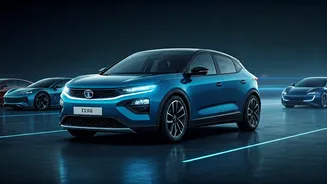
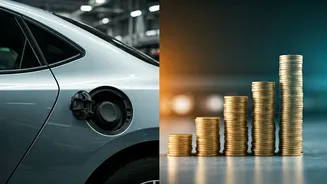
This acceleration is no accident. It is the result of a concerted push from the government through schemes like FAME (Faster Adoption and Manufacturing of Electric Vehicles). These programs have provided crucial upfront subsidies that reduce the initial purchase price, a major barrier for cost-conscious buyers. Many states offer additional incentives on top of the central government's support, further sweetening the deal. In response, automakers have flooded the market with new and improved models. Tata Motors has cemented its lead in the passenger vehicle space, commanding a 39% market share, followed by a resurgent Mahindra & Mahindra at 24%. Together with JSW MG Motor, these top three companies account for over 83% of all electric cars sold in India.
Lingering Roadblocks on the Electric Highway
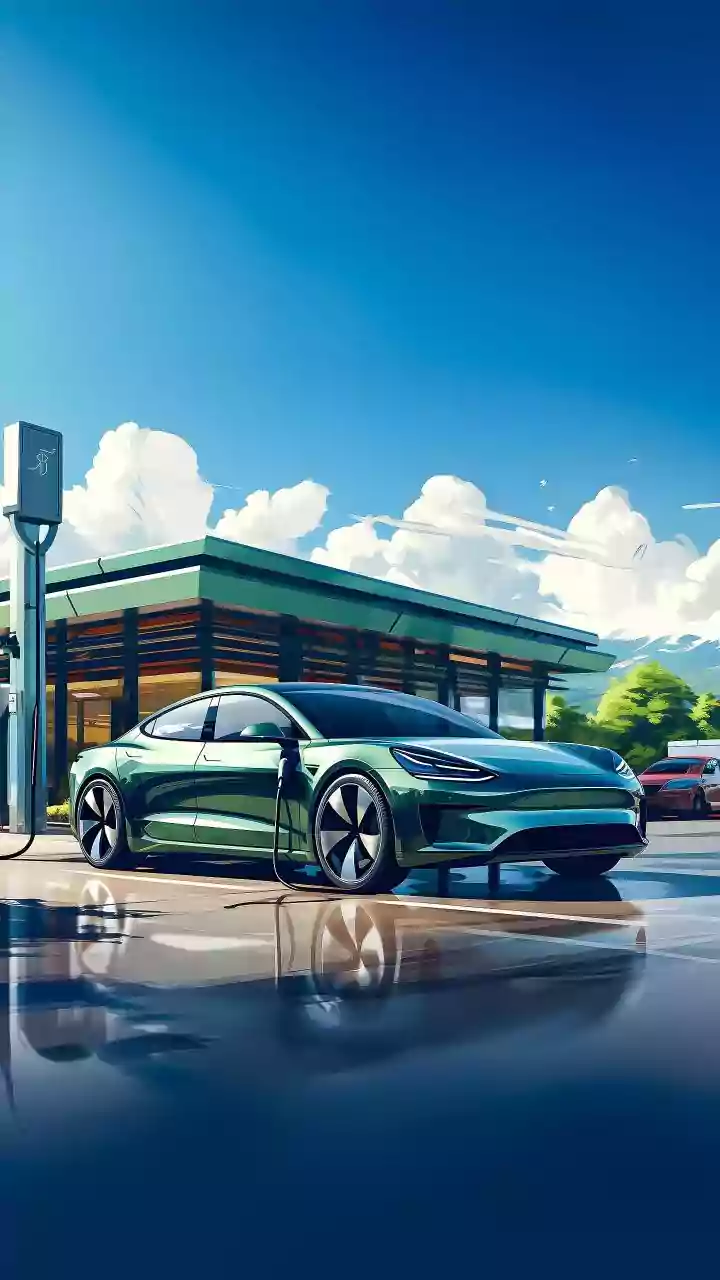
Despite the impressive sales figures, significant challenges remain. The most pressing issue is the lack of adequate charging infrastructure. While charging points are becoming more common in major cities, their scarcity in smaller towns, rural areas, and along highways remains a major source of 'range anxiety' for potential buyers. The high upfront cost of EVs, although decreasing, is still a significant hurdle compared to their internal combustion engine counterparts. Furthermore, India's heavy reliance on imported battery cells and critical minerals like lithium creates supply chain vulnerabilities that can affect production timelines and costs. As demand continues to surge, ensuring the electricity grid can handle the increased load from millions of charging vehicles is another long-term challenge that requires massive investment and planning.