





The Science of the Scald
The conversation isn’t about quitting tea or coffee, but about letting it cool. The International Agency for Research on Cancer (IARC), a part of the World Health Organization, has classified drinking very hot beverages—above 65°C (149°F)—as a "probable
carcinogen" for oesophageal cancer. The key finding is that the risk is not from the chemical properties of tea or coffee, but from the thermal injury caused by the heat itself. Studies conducted in regions where drinking very hot tea is common showed an increased risk of oesophageal cancer as the beverage temperature went up. This consistent finding across multiple studies highlights that the simple act of waiting a few minutes can make a significant difference.
How Heat Harms the Oesophagus
The oesophagus is the muscular tube connecting your throat to your stomach. Its lining isn't designed to handle extreme heat. When you regularly drink scalding liquids, you cause repeated, low-grade thermal injuries to the cells lining the oesophagus. Think of it as a recurring burn. Over time, the body’s constant effort to repair this damage can lead to chronic inflammation. This state of continuous cellular repair increases the chances of errors occurring, which may lead to the development of abnormal cells and, in the long term, elevate the risk for a type of cancer called oesophageal squamous cell carcinoma. The immediate symptoms can be subtle, sometimes just a mild burning sensation, but the cumulative damage over years is the real concern.
What Temperature Is Too Hot?
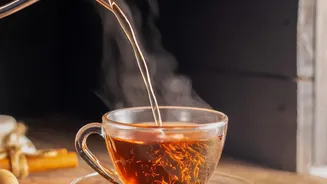
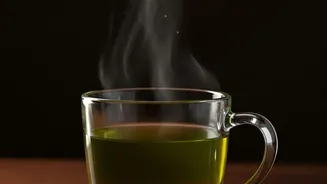
So, what’s the danger zone? Research points to anything above 65°C as potentially harmful. For context, coffee and tea are often brewed at much higher temperatures, between 85°C and 100°C. They are often served between 71°C and 85°C. A comfortable and safer drinking temperature is generally considered to be below 60°C. You don't need a thermometer to check every cup. A simple rule of thumb is to wait a few minutes after pouring. If the cup is too hot to hold comfortably or the steam is dense and billowing, it's almost certainly too hot to drink. Let it sit until you can sip it without wincing or feeling a burn.
Simple Steps for Safer Sipping
Protecting your oesophagus doesn’t require drastic changes. It's about modifying a habit. First and foremost, practice patience. Wait at least five to seven minutes after your drink is poured before taking the first sip. Another easy trick is to add a small amount of cool milk or water to bring the temperature down more quickly. Stirring the beverage with a metal spoon can also help dissipate heat faster. You can also transfer the drink from a mug to a wider cup to increase the surface area and speed up cooling. The goal is to move from drinking scalding liquids to enjoying warm ones. It's a small adjustment that your body will thank you for in the long run.