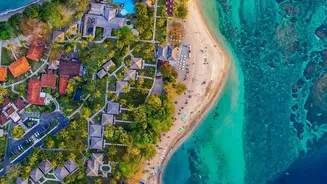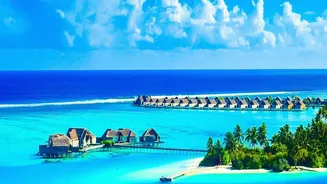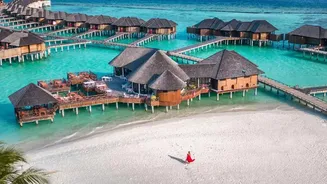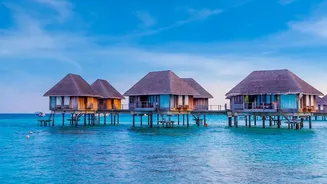

A Paradise Built on Tourism
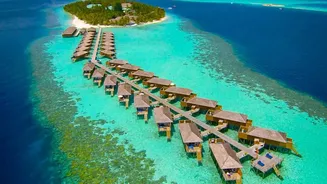
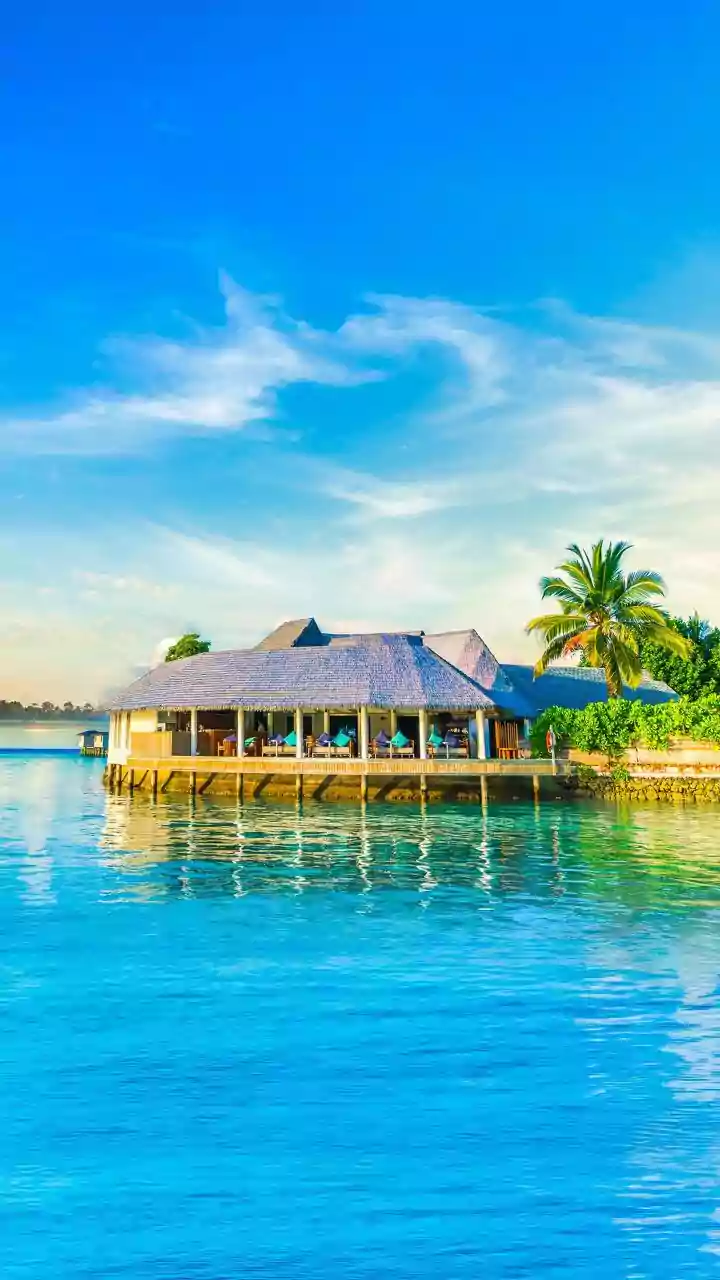
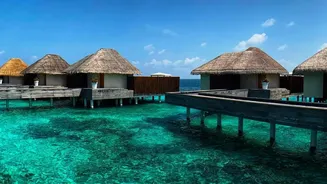
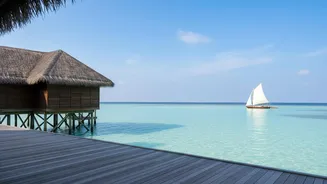
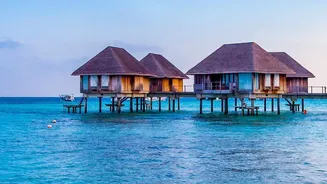
For the Republic of Maldives, a nation of over 1,000 coral islands, tourism isn't just an industry; it's the national engine. The sector is the country's largest, accounting for the majority of its foreign exchange earnings and a significant share of its GDP.
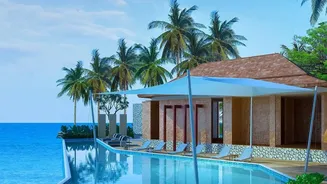
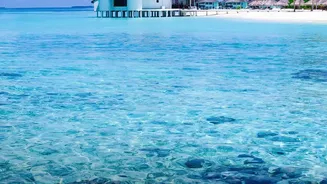
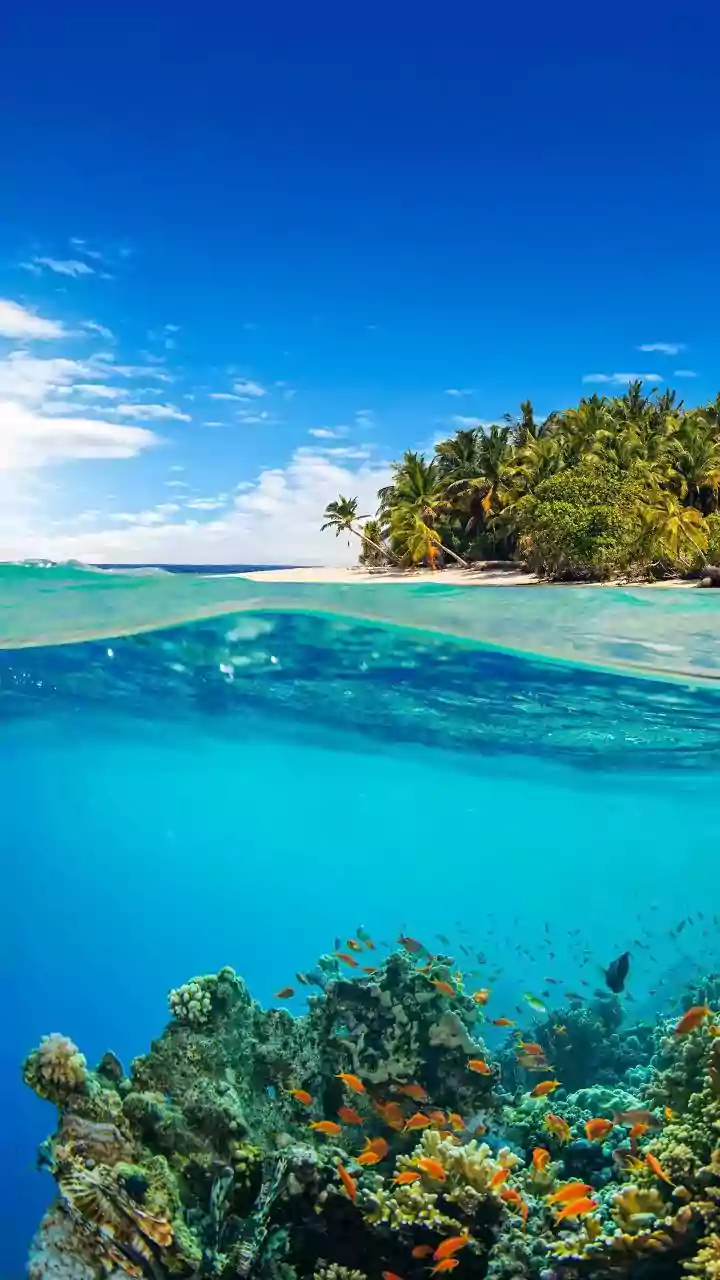
The unique “one island, one resort” policy has cultivated an atmosphere of exclusivity that attracts luxury travellers from across the globe, making tourism the primary driver of the nation's development, funding everything from transport to telecommunications. This economic reliance makes the allure of its pristine natural beauty a critical national asset. The very foundation of this billion-dollar industry is the health of its coral reefs, the clarity of its waters, and the vibrancy of its marine life.
Cracks in the Idyllic Facade
Beneath the surface of this idyllic destination, significant environmental threats are mounting. As the world's lowest-lying country, the Maldives is exceptionally vulnerable to rising sea levels, which cause coastal erosion and threaten the very existence of some islands. More immediately, warming ocean temperatures have led to severe and repeated coral bleaching events, damaging the reefs that protect the islands from storm surges and serve as the main attraction for divers and snorkellers. Furthermore, the high volume of tourists creates immense pressure on waste management and freshwater resources, issues that are difficult to manage in a geographically scattered island nation. These challenges represent a direct threat to the long-term viability of the tourism product that the entire economy is built upon.
The Rise of Eco-Luxury
In response to this existential threat, a significant shift is underway. For a growing number of luxury resorts, sustainability is no longer a buzzword but a core business strategy. Many are moving beyond basic greenwashing to implement comprehensive and innovative conservation programmes. This includes investing heavily in renewable energy, with some resorts installing thousands of solar panels to reduce their carbon footprint. Others have established on-site water bottling plants to eliminate single-use plastics and sophisticated waste management systems that convert food waste into compost. The focus is shifting from simply providing luxury to becoming stewards of the environment. Some resorts now employ full-time marine biologists, run coral propagation programmes to restore damaged reefs, and even design their architecture around existing trees to avoid deforestation.
When the Guest Becomes a Guardian
This evolution is not happening in a vacuum; it is also being driven by a new kind of traveller. Today's luxury guest is increasingly looking for more than just opulence. There is a growing demand for meaningful and responsible travel experiences. Tourists are actively seeking out resorts with strong environmental credentials and want to feel that their holiday contributes positively to the destination. Recognising this, resorts are integrating conservation directly into the guest experience. Visitors can now participate in coral planting activities, join marine biologists on educational dives, and learn about sustainable fishing practices. This turns a passive vacation into an active, educational, and more memorable journey, creating a powerful connection between the guest and the environment they are there to enjoy.