




What Exactly Is Floating Yoga?
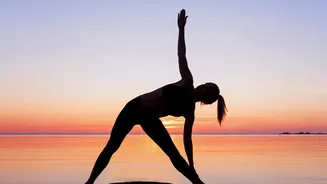
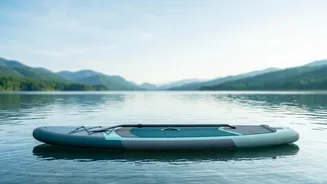
Floating yoga, often called Stand-Up Paddleboard (SUP) yoga, is precisely what it sounds like: a yoga practice performed on a paddleboard in the middle of a calm body of water. Instead of a solid floor, your foundation is a board that gently moves with
the water, requiring a different level of awareness and control. The practice blends traditional yoga asanas (poses) with the core-strengthening challenge of balancing on an unstable surface. Sessions usually take place on tranquil lakes, quiet bays, or even large swimming pools, making it accessible even in urban environments. The goal is to connect with nature while deepening your physical and mental practice in a refreshing, dynamic way.
The Unique Benefits for Mind and Body
The most immediate benefit of floating yoga is the profound improvement in balance and core strength. Every pose, no matter how simple, requires constant engagement of your core muscles to maintain stability on the board. This turns your session into a full-body workout, strengthening not just your abs but also smaller stabilising muscles in your back, hips, and legs that are often overlooked in a traditional class. Beyond the physical, the practice cultivates immense focus and mindfulness. You can't just go through the motions; the need to balance keeps you completely present. Surrounded by the gentle sounds and movements of water, the final Savasana (relaxation pose) becomes an incredibly calming and meditative experience.
Is It Suitable for Beginners?
The idea of balancing in complex poses on water might seem intimidating, but floating yoga is surprisingly beginner-friendly. Instructors are well-versed in guiding newcomers, starting with basic seated poses to help you get a feel for the board. The focus is on moving slowly and intentionally. Classes for beginners often recommend wider, more stable boards and teach you how to modify poses for better balance. You don't need to be an expert yogi or a paddleboard pro to start. The only prerequisite is a willingness to try something new, have fun, and embrace the possibility of getting a little wet, which is all part of the experience.
Finding Your Float in India
This global wellness trend is making waves in India, too. From the serene backwaters of Kerala and the beaches of Goa to the spiritual hub of Rishikesh, opportunities to practice on natural water bodies are growing. More recently, the concept has gained traction in major cities, with fitness companies offering sessions in swimming pools across Delhi, Mumbai, and Bengaluru. Unique events have also brought attention to the practice, such as a first-of-its-kind floating yoga session held on Srinagar's Pokhribal Lake. Whether you are looking for a weekend retreat or a local class, a quick search for 'SUP yoga' or 'floating fitness' in your area is likely to reveal options to try this innovative workout.