


Our Magnificent Galactic Neighbour
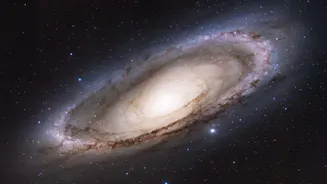
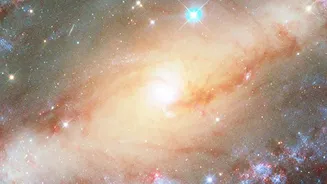
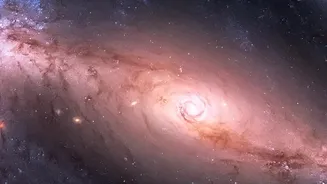
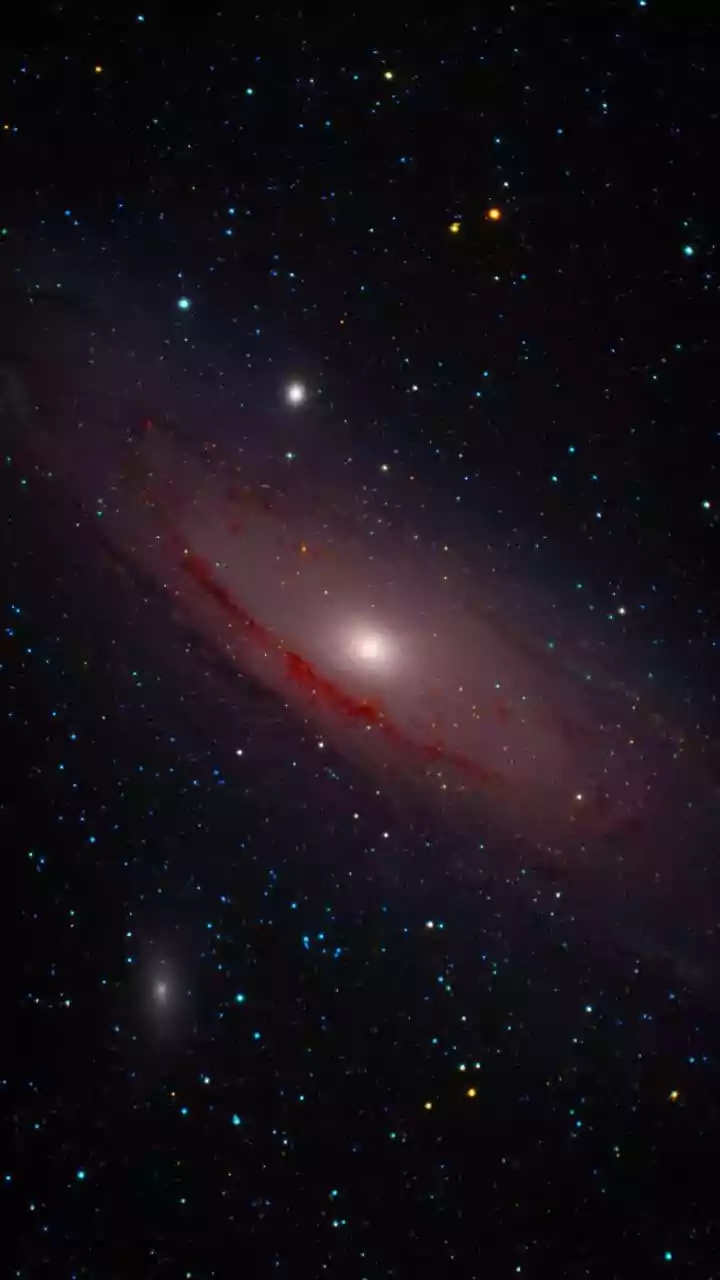
On a clear, dark night, far from city lights, you can spot a faint, fuzzy patch in the sky. That smudge is the Andromeda galaxy, our Milky Way's largest and closest galactic neighbour. Located about 2.5 million light-years away, it’s the most distant
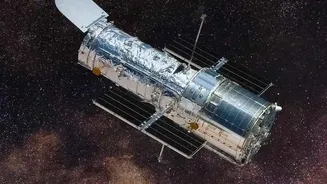
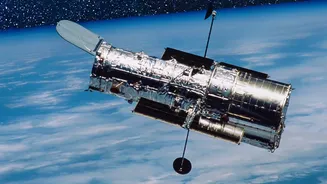
object visible to the naked eye. For astronomers, Andromeda offers a unique opportunity: a grand spiral galaxy, much like our own, close enough to study in stunning detail. It serves as a cosmic laboratory for understanding how vast stellar systems form, live, and eventually die. Because of its proximity, telescopes like Hubble can resolve individual stars within it, turning a fuzzy patch into a treasure trove of cosmic history.
A Slowing Cosmic Engine
New research using a vast collection of data from the Hubble Space Telescope has given us an unprecedented look into Andromeda's recent past. An international team of astronomers has found that the galaxy’s star formation has been steadily declining for the last 500 million years. Think of a bonfire that was once roaring with intensity, now slowly settling into a bed of glowing embers. According to the study, Andromeda was forming stars at a rate of about one solar mass per year half a billion years ago. By 40 million years ago, that rate had dropped by half. This winding down marks a significant phase in the galaxy's life, suggesting it is transitioning from a vibrant, active galaxy into a more quiescent one.
Reading the Stellar Fossil Record
So how can astronomers watch 500 million years of history unfold? They can’t, not directly. Instead, they use the stars themselves as a 'fossil record'. The team meticulously mapped roughly two-thirds of Andromeda's disc, measuring around 200 million individual stars. By analysing the colours and brightness of these stars, scientists can determine their ages. Finding a large population of young, bright blue stars indicates a recent burst of star birth. Conversely, a predominance of older, redder stars points to a quieter period. By creating a detailed census of stellar populations across different regions of the galaxy, the researchers were able to build a timeline of its star-forming activity, revealing the slow and steady decline over an immense timescale.
Why Are the Lights Dimming?
The slowdown isn't happening in a vacuum. The study confirms what previous research suggested: about 2 billion years ago, Andromeda experienced a massive burst of star formation. This was likely triggered by a major event, such as merging with a smaller galaxy. These cosmic collisions can compress vast clouds of gas and dust, triggering a furious wave of star creation. However, such events use up a galaxy’s fuel supply. Stars are born from cold, dense gas, and once that reservoir is depleted, the stellar nurseries run dry. The current decline in Andromeda is the long, slow aftermath of that ancient, energetic frenzy. The galaxy is essentially running out of the raw materials needed to build new stars, causing its creative engine to wind down.
A Glimpse into Our Own Future?
Studying Andromeda isn't just an academic exercise; it provides a potential preview of our own Milky Way's destiny. Both galaxies are massive spirals, and understanding Andromeda’s life cycle helps astronomers refine models of our own cosmic home. This research paints a picture of a galaxy gracefully aging, its most productive years behind it. And while our own galaxy is set to collide with Andromeda in about 4.5 billion years—an event that will trigger a spectacular new burst of star formation—this study shows what the long, quiet period of a galaxy's life looks like. The detailed map of Andromeda will serve as a crucial benchmark for future observations, helping us piece together the grand narrative of galactic evolution across the universe.