





The Studio vs. The Street
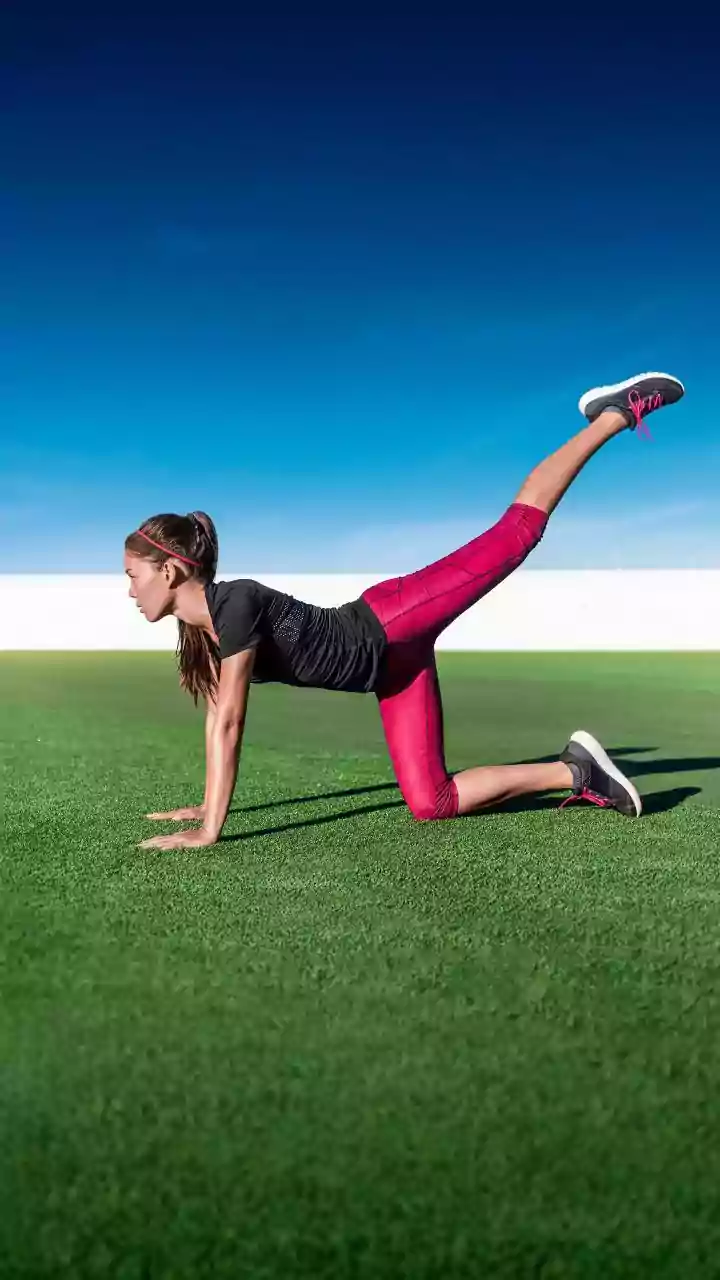
At its core, the comparison between Zumba and roller skating is a tale of two environments. Zumba is an inherently indoor activity. It thrives in studios and gyms, offering a controlled, curated experience with an instructor, choreographed routines, and high-energy
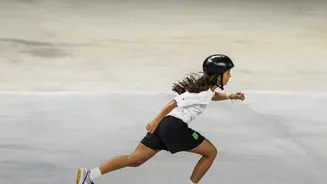
music. This setting provides a predictable, weather-proof, and structured workout. For many, especially in bustling Indian cities, an air-conditioned studio is a welcome escape and a dedicated space for fitness. In contrast, roller skating is defined by its connection to the outdoors. While indoor rinks exist, much of its modern appeal lies in gliding through parks, along promenades, or in designated public spaces. This offers a sense of freedom and spontaneity that a studio cannot replicate. Research suggests that exercising outdoors can offer additional cognitive and mental health benefits, such as improved mood and reduced stress, by connecting us with nature. The sensory experience of fresh air and changing scenery can make the activity feel less like a workout and more like an adventure.
The Economics of Aerobics
The financial commitment for these two activities differs significantly, often reflecting a class divide. Zumba typically operates on a subscription or pay-per-class model. In India, monthly fees for group classes can range from ₹2,000 to over ₹7,000, depending on the city and studio. This represents a recurring operational expense for fitness. Roller skating, on the other hand, involves a one-time capital investment in a pair of skates, which can range from a few thousand rupees for basic models to much more for specialised ones. After this initial purchase, the activity can be virtually free if practiced in public spaces. However, access to safe and suitable skating areas can be a hidden cost or barrier. While skate parks are emerging in cities like Bengaluru, Pune, and Delhi, they are not yet widespread, and skaters often have to seek out smooth pavements or face issues in public areas.
Finding Your Fitness Community
Both activities foster a strong sense of community, but in very different ways. Zumba's community is built-in. The group class format creates an immediate social circle, with an instructor leading the energy. It’s a shared, synchronised experience that offers motivation and accountability, making it particularly appealing for those who enjoy a guided social workout. Over the past decade, Zumba has built a significant following in India, especially among women, creating networks that extend beyond the class itself. Roller skating communities tend to be more grassroots and subcultural. Skaters often connect organically in public parks or through online groups, sharing tips and organising meet-ups. This creates a more informal, peer-led sense of belonging. In cities like Bengaluru, weekend gatherings at places like Cubbon Park bring together a diverse mix of beginners and experienced skaters, fostering a welcoming, judgment-free environment. This self-driven community aspect appeals to those who prefer a less structured social setting.
The Workout Payoff
From a purely physical standpoint, both are excellent forms of aerobic exercise. An hour-long Zumba class can burn between 300 and 600 calories, depending on the intensity, providing a full-body workout that improves cardiovascular health, coordination, and endurance. Its dance-based movements engage various muscle groups and the constant change of pace keeps the workout dynamic. Roller skating offers a comparable calorie burn, with a moderate pace burning around 400-600 calories per hour. It is particularly effective for strengthening the legs, glutes, and core muscles, as maintaining balance is a constant workout in itself. A significant advantage of skating is that it is a low-impact exercise, putting about 50% less stress on the joints compared to running, making it a great option for those with knee or hip concerns.
Perception and Accessibility in India
The way these activities are perceived also plays a role. Zumba is often marketed as a modern, premium fitness brand and has become a staple in urban wellness culture. However, its dance-based nature has occasionally sparked cultural debates in some regions. Roller skating, governed by the Roller Skating Federation of India since 1955, has a longer history in the country, often associated with childhood recreation. Yet, it is experiencing a resurgence among adults, fueled by social media and films like 'Skater Girl', which highlighted its empowering potential in rural areas. The primary challenge for skating remains infrastructure. While new skateparks are being built, many skaters still struggle to find safe, accessible, and welcoming public spaces, sometimes facing friction from authorities.