






An Unprecedented Thirst for Power
At the heart of India's energy dilemma is a staggering and non-negotiable demand for electricity. As the economy grows, cities expand, and hundreds of millions of people adopt modern appliances, the country's power needs are surging. Peak electricity demand is breaking
records, hitting an all-time high of 270.8 GW in May 2026. Projections show this is just the beginning, with overall energy demand expected to grow by 6-7% annually over the next five years. The Central Electricity Authority forecasts that India will need a mammoth 817 GW of power capacity by 2030 to keep the nation running. This relentless rise in demand, fueled by everything from industrial activity to the increasing need for air conditioning during severe heatwaves, forms the unavoidable backdrop for every energy policy decision the country makes.
Coal’s Enduring Role in Energy Security
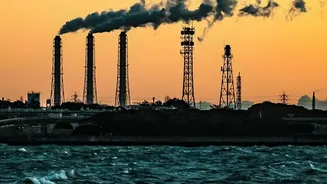
Despite a global shift away from fossil fuels, coal remains the bedrock of India's energy security. It currently fuels over 70% of the country's electricity generation and meets about 55% of its total primary energy needs. For policymakers, the logic is straightforward: coal is an abundant domestic resource that provides reliable, round-the-clock power. In a nation where energy demand is growing so rapidly, ensuring a stable supply is paramount. To meet this need and reduce dependence on expensive imports, India plans to increase its coal production to 1.15 billion tonnes in the 2025-26 fiscal year, with new mining projects concentrated in states like Jharkhand and Odisha. This strategy is viewed not as a rejection of green energy, but as a necessary bridge to ensure the lights stay on while the renewable infrastructure is built out.
The Green Energy Revolution is Real
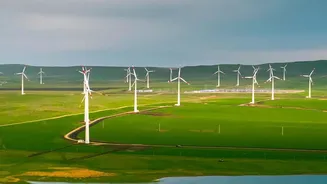
Simultaneously, India is undergoing one of the world's most ambitious renewable energy expansions. The country has set a target of achieving 500 gigawatts (GW) of non-fossil fuel capacity by 2030. As of July 2026, it has already surpassed 300 GW, meaning it has achieved over 60% of its goal well ahead of schedule. Non-fossil fuel sources now make up more than half of India's total installed power capacity for the first time in history. This explosive growth is led by solar power, which has ballooned from just 2.8 GW in 2014 to nearly 165 GW today. This rapid build-out demonstrates a clear commitment to a cleaner future and positions India as a critical player in the global fight against climate change.
Capacity vs. Generation: The Critical Difference
So, how can green energy dominate capacity while coal dominates generation? The answer lies in how different power sources work. A coal plant can run continuously, giving it a high utilization rate of around 70%. Solar and wind power, however, are intermittent—they only generate electricity when the sun is shining or the wind is blowing. Their average utilization rate is much lower, around 17-22%. This means that even with more renewable capacity on paper, coal plants are still called upon to do the heavy lifting of providing a consistent power supply, especially during peak evening hours when solar power fades. To close this gap, India needs massive investments in grid modernization and energy storage solutions like batteries, which are currently insufficient to meet the projected needs.