



What is 'Double Carbing'?
The phrase 'double carbing' simply refers to eating two significant sources of carbohydrates in the same meal. Think of common Indian pairings like rice and chapati, or Western comfort foods like a burger with a side of fries, or pasta served with garlic
bread. The concept has gone viral as a habit to avoid for weight loss, with many social media influencers claiming it hinders the body's ability to burn fat. This has led to widespread confusion, making people question dietary staples that have been part of cultural cuisines for generations.
The Science Behind the Fear
The concern around double carbing is rooted in how the body processes carbohydrates. When you eat carbs, your digestive system breaks them down into glucose (sugar), which enters your bloodstream. This causes your blood sugar to rise, prompting the pancreas to release insulin. Insulin’s job is to help your cells absorb this glucose for energy. When you consume a large amount of carbohydrates at once—especially refined ones like white bread or white rice—it can lead to a significant spike in both blood sugar and insulin. During this time, the body prioritizes using the readily available glucose for fuel rather than breaking down stored fat. The argument is that frequently combining two high-carb sources leads to larger insulin spikes, which can, over time, contribute to weight gain and potentially insulin resistance.
Why the Bigger Picture Matters More
While there's a physiological basis for the concern, nutrition experts argue that demonizing 'double carbing' is an oversimplification. Your body's health isn't determined by a single meal but by your overall dietary pattern over days, weeks, and months. A study published in The Lancet found that total diet quality has a much greater impact on long-term health than focusing on one nutrient or food combination. Someone who occasionally has pasta with garlic bread within an otherwise balanced diet full of fruits, vegetables, and lean protein is very different from someone whose diet consists mainly of processed, high-carb meals. The context is everything. Focusing on one rule, like 'no double carbs,' overlooks the importance of nutrient diversity, fibre intake, and portion control.
Not All Carbs Are Created Equal
The debate often fails to distinguish between different types of carbohydrates. Refined carbs, like white flour and sugar, are digested quickly, leading to sharper blood sugar increases. In contrast, complex carbohydrates found in whole grains, legumes, and starchy vegetables contain fibre. Fibre slows down digestion, leading to a more gradual release of sugar into the bloodstream and helping you feel full for longer. So, a meal of dal (lentils, a complex carb and protein source) with a side of brown rice and a small whole-wheat chapati is nutritionally very different from a large plate of plain pasta with white garlic bread. The former provides sustained energy, protein, and valuable nutrients, while the latter is more likely to cause an energy crash.
Build a Balanced Plate, Don't Fear It
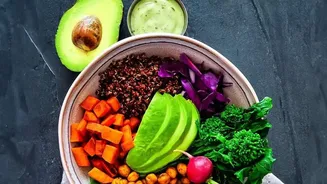
Instead of forbidding certain food pairings, a more constructive approach is to focus on what you can add to your plate. When having a carbohydrate-rich meal, ensure you're also including sources of protein, healthy fats, and fibre-rich vegetables. These additions help slow the absorption of sugar and create a more balanced, satisfying meal. For example, if you're having rice and potatoes, pair it with a generous portion of lentils or a chicken curry and a large side of green vegetables. If you want that garlic bread with your pasta, consider choosing whole-wheat pasta, adding a lean protein source like grilled chicken or chickpeas to the sauce, and starting with a large salad. It’s about building a better meal, not just eliminating one part of it.